 by Balaji Nursery Editorial Team
Complete Garden Contracting Services | From Empty Plot to Green Paradise
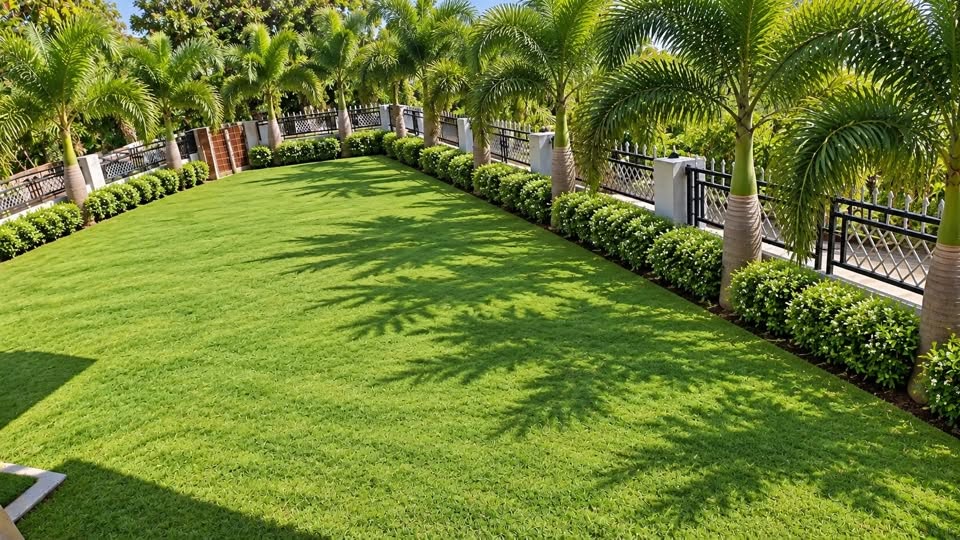
Complete Garden Contracting: From Empty Plot to Green Paradise
An empty plot can be the starting point for a beautiful garden, a green commercial landscape or a welcoming outdoor space. But turning bare land into a finished garden takes more than planting grass and a few trees. The ground needs to be assessed, the layout planned and the right materials, plants and systems selected.
This is where complete garden contracting helps. Instead of coordinating separate teams for soil work, lawn installation, planting and finishing, you can plan the development as one connected project. A professional landscape contractor can help organise the work from the initial site inspection to the final planting and handover.
Whether you are developing a residential garden, an office landscape, a farmhouse lawn or an outdoor area for a commercial property, the aim is the same: create a green space that suits the site, the intended use and the available maintenance budget. This guide explains the main stages of garden development and what to consider before starting.
What is complete garden contracting?
Complete garden contracting is the coordinated development of an outdoor space, starting with an empty or unfinished plot and taking it through planning, ground preparation, installation and finishing. The exact scope depends on the site and the client’s requirements.
A garden development project may include site assessment, layout planning, soil preparation, lawn grass supply and installation, tree and plant placement, garden beds, irrigation, drainage, pathways and other landscape features. Not every project needs every element. The right scope should be decided after understanding the plot and how the space will be used.
The benefit of a turnkey landscaping approach is that the different stages are planned together. For example, irrigation routes can be considered before the lawn is laid, and planting locations can be finalised before pathways and edging are installed.
How do you turn an empty plot into a finished garden?
Start with a site visit. The contractor should understand the plot size, levels, existing soil, sunlight, water availability, access for materials and the intended use of the garden. These details affect the design, material selection and work sequence.
Next, prepare a practical layout. Mark the lawn area, planting beds, trees, pathways and any seating or feature areas. Keep circulation and maintenance in mind. A garden should look attractive, but it should also be easy to access, water and maintain.
Once the plan is agreed, the site can be cleared and prepared. Remove unwanted debris and vegetation, address uneven levels and prepare the soil according to the selected plants and grass. Installation should follow a planned sequence so that completed work is not damaged by later activities.
Finish with planting, lawn establishment, irrigation checks and a final site review. The garden should be handed over with clear guidance on watering and early maintenance.
Why is site preparation important before garden development?
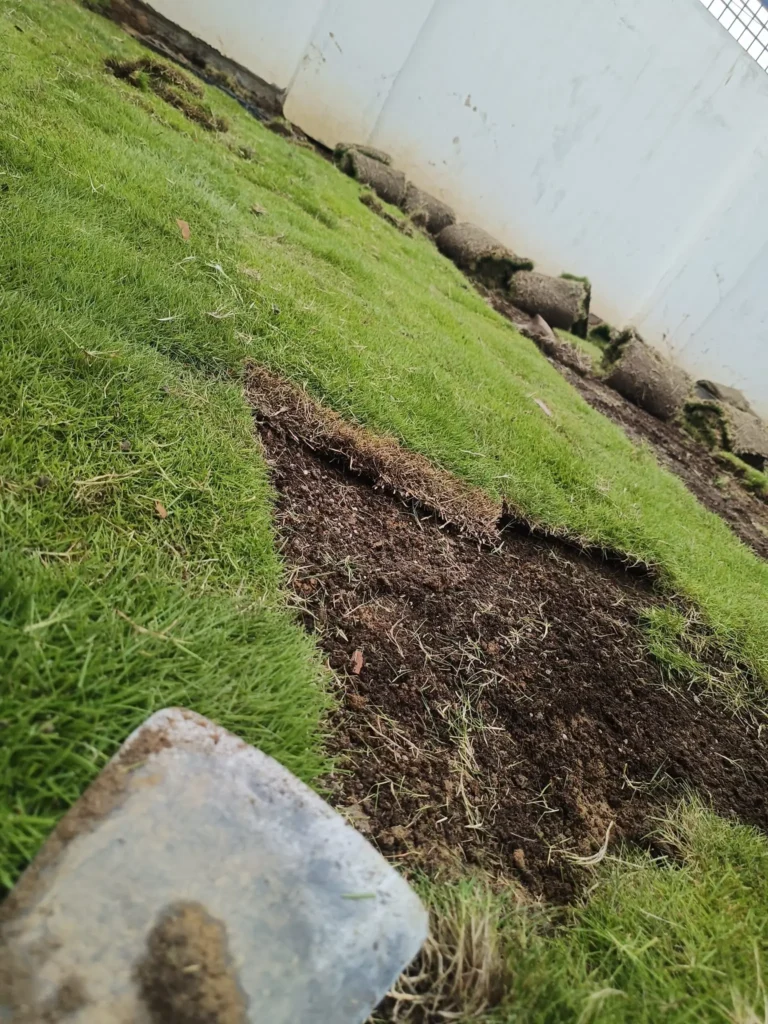
Good site preparation creates the base for the entire landscape. If the ground is uneven, compacted or poorly drained, the finished lawn and planting areas may not establish evenly.
Depending on site conditions, preparation can involve clearing debris, levelling, loosening compacted soil, improving the growing layer and planning drainage. Soil treatment or manure may also be considered where appropriate, based on the soil condition and the requirements of the selected plants.
Do not assume that the same soil mix or preparation method suits every plot. A site inspection helps determine what is actually needed and avoids unnecessary work.
Which natural grass should you choose for your garden?
The right grass depends on sunlight, foot traffic, soil, water availability, appearance and the amount of maintenance you can provide. Warm-season grasses are commonly considered for many Indian outdoor settings, but the final selection should match the local site conditions.
Bermuda grass is often considered for open, sunny lawns and areas that receive regular use. Mexican grass may be chosen when a finer, more uniform lawn appearance is preferred. Selection No. 1 and Zoysia or Korean grass may also be considered for suitable locations and maintenance expectations.
Shaded areas need special attention. A grass that performs well in full sun may struggle under dense tree cover. Before ordering grass, assess how many hours of direct sunlight the lawn receives and whether the area has drainage or irrigation limitations.
Ask the contractor to recommend grass based on the actual plot rather than choosing only by appearance or price.
What other elements can be included in turnkey landscaping?
A complete garden can include more than a lawn. Trees, shrubs, flowering plants and ground covers add structure, colour and seasonal interest. Plant selection should consider mature size, sunlight, water needs and the space available for roots and branches.
Pathways help people move through the garden without walking over the lawn. Edging can separate grass from planting beds and make maintenance easier. Seating areas, planters and selected landscape features can make the space more useful, particularly in commercial gardens and shared outdoor areas.
Irrigation and drainage should be planned as part of the overall development. Sprinklers or other suitable watering arrangements can make lawn care easier, while proper drainage helps prevent waterlogging. The system should be designed around the shape of the plot and the water source.
How much does garden contracting cost?
There is no single fixed rate for complete garden contracting because every plot has a different scope of work. The total depends on the area, site condition, soil preparation, grass variety, quantity and type of plants, irrigation requirements, pathways, materials, transport and labour.
A basic lawn development project will have a different budget from a fully landscaped commercial garden with trees, planting beds, pathways and an irrigation system. Work such as debris removal, major levelling or drainage correction may also affect the estimate.
For a useful quotation, share the plot dimensions, site location, photographs and a brief description of the garden you want. Ask for the estimate to separate material, installation, preparation and any optional features so you can understand what is included.
How do you choose the right landscape contractor?
Choose a contractor who first understands the site and your requirements instead of recommending a standard package immediately. Ask what work is included, what materials and plants are proposed, how the work will be sequenced and what preparation is required.
Request a written quotation with quantities and clearly described inclusions. Confirm whether the price covers supply, transport, installation, soil preparation, irrigation and finishing, or whether some items will be charged separately.
Also discuss after-installation care. Newly laid grass and newly planted material need suitable watering and attention while they establish. Clear handover instructions help protect the investment.
Why consider Balaji Nursery for garden development?
Balaji Nursery provides natural lawn grass and landscaping-related services. Its work can be considered for projects that require lawn grass supply, lawn development and garden or landscape support.
Balaji Nursery states that it has over 25 years of experience and has delivered more than 22,000 lawns across India. The nursery supplies natural grass varieties including Bermuda, Mexican, Selection No. 1 and Korean grass, subject to availability and project suitability.
For a garden contracting requirement, share the site details and the work you want completed. The project scope can then be discussed, including the lawn area, grass selection, preparation requirements and any additional landscaping work.
What should you prepare before requesting a garden quote?
Before requesting an estimate, measure the plot or share an approximate area. Provide the site location, clear photographs and information about whether the land is already levelled or still needs preparation.
List the features you want, such as natural lawn grass, trees, shrubs, planting beds, pathways or irrigation. Mention whether the garden is for a home, farmhouse, office, institution or another commercial property.
Finally, share your preferred timeline and budget range. These details help the contractor suggest a practical scope and identify which items should be prioritised.
How can you get started with your garden project?
Start with a clear idea of how you want to use the outdoor space. Decide how much lawn you need, where you want planting and whether the garden needs pathways, seating or irrigation. A site assessment can then turn those ideas into a workable plan.
Balaji Nursery can be contacted to discuss natural lawn grass supply and landscaping requirements. Call 8766234417 or 8588914985 to enquire and request a quote. Share your plot area and location so the requirements can be understood before the estimate is prepared.
Final thoughts: from an empty plot to a green paradise
A successful garden begins with the right plan and a well-prepared site. Choose grass and plants according to the local conditions, plan irrigation and drainage early, and make sure the quotation clearly explains the work included. With the stages coordinated properly, an empty plot can become a green, practical outdoor space that is easier to maintain.
For natural lawn grass and landscaping enquiries, contact Balaji Nursery at 8766234417 / 9354173113 and request a free quote.
Last Updated on 4 hours ago by Balaji Nursery Editorial Team

- Complete Garden Contracting Services | From Empty Plot to Green Paradise - October 30, 2026
- Which lawn grass grows best in Telangana’s hot climate? - October 27, 2026
- How much does lawn grass cost in West Bengal right now? - October 24, 2026