 by Balaji Nursery Editorial Team
Natural Lawn Grass for New Home Construction
Why Natural Lawn Grass Matters for Newly Built Homes
Building a new home is like painting on a blank canvas. Every detail matters, from the architectural design to the final finishing touches outside. One of the most overlooked yet impactful elements is natural lawn grass. It transforms a newly constructed property from looking unfinished and harsh into something vibrant, inviting, and complete. Imagine stepping out of your newly built home and being welcomed by a lush green lawn that feels soft underfoot and instantly creates a sense of serenity. That is the magic of natural grass.
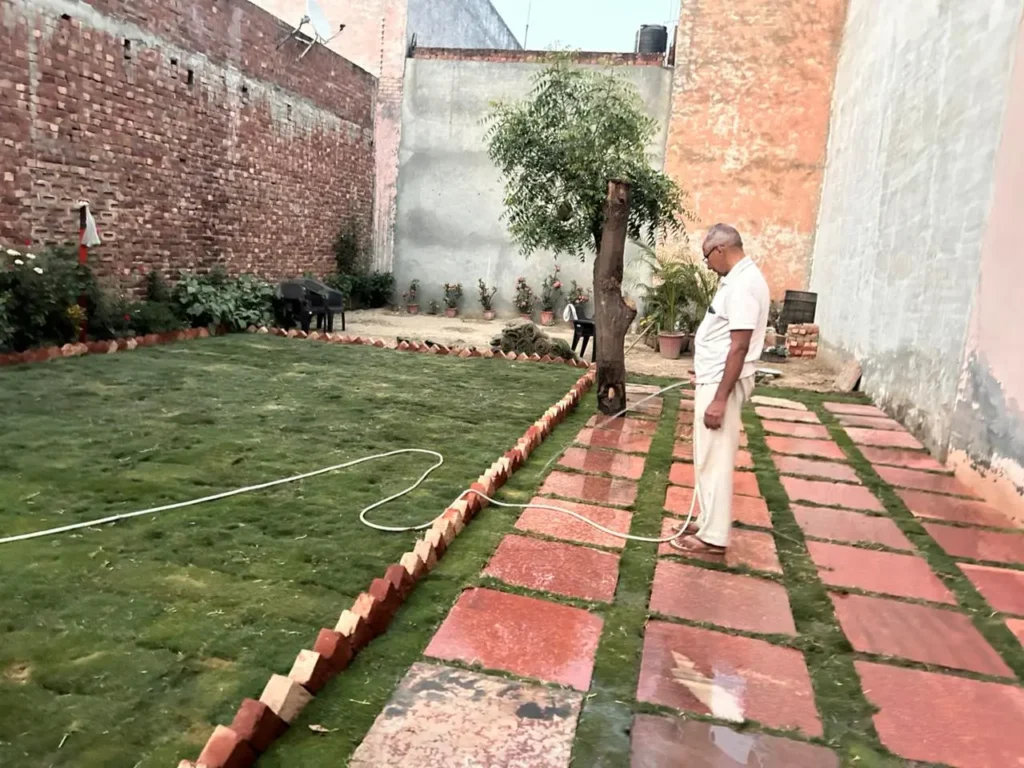
A fresh construction site often leaves behind uneven soil, dust, debris, and a somewhat industrial appearance. Installing natural lawn grass changes that instantly. It softens the hard lines of concrete, balances the visual appeal of stone pathways, and creates a natural contrast that elevates the entire property. The green color psychologically creates feelings of peace and freshness, making your home feel more alive.
There are also practical benefits. Natural grass acts as a cooling agent, reducing surface temperatures around your home significantly compared to concrete or tiles. It absorbs carbon dioxide, releases oxygen, and helps control dust around newly built homes. For families with children, it creates a safe play area. For homeowners who love outdoor living, it provides the perfect setting for gatherings, tea sessions, or simple relaxation.
A beautiful lawn isn’t just landscaping; it’s the finishing signature on your dream home.
The First Impression of Your Property
They say first impressions are everything, and that is especially true in real estate. When someone visits your newly constructed home, the lawn is often one of the first things they notice. A bare patch of dirt can make even the most luxurious home feel incomplete. On the other hand, a vibrant natural lawn immediately communicates care, sophistication, and attention to detail.
Natural lawn grass acts like a welcome mat designed by nature itself. It frames your home beautifully and enhances architectural elements like pathways, patios, and garden borders. Whether your home has a modern minimalist design or a classic traditional appearance, grass complements every style.
Property value also benefits from a well-installed lawn. Studies consistently show that attractive landscaping can increase property value by up to 15%. Potential buyers associate green lawns with quality maintenance and overall home care. Even if you are not planning to sell, it is reassuring to know that your investment contributes to long-term value.
The lawn also defines the atmosphere of your property. It tells visitors whether your home is formal, playful, luxurious, or family-oriented. In many ways, the lawn becomes part of your home’s personality.
Environmental Benefits of Natural Grass
Natural lawn grass does far more than look beautiful. It quietly performs environmental work every single day. Think of it as your home’s personal green engine, constantly cleaning and cooling the surroundings.
Grass naturally absorbs carbon dioxide and releases oxygen. A healthy lawn of just 50 square feet can generate enough oxygen daily for a family of four. This makes it an eco-friendly addition to newly constructed homes where sustainability matters.
Temperature regulation is another major advantage. Concrete and paving absorb heat and radiate it back, making the surroundings hotter. Natural grass remains cooler because of evapotranspiration. This helps reduce heat buildup around your home and can even lower indoor cooling costs during summer.
Grass also helps with water management. It improves rainwater absorption, reducing runoff and helping recharge groundwater levels. This is particularly valuable in urban areas where drainage challenges are common.
Another hidden benefit is noise reduction. Grass absorbs sound waves, creating a quieter and more peaceful outdoor environment. Combined with dust control and air purification, it turns your lawn into a natural shield against urban discomfort.
For environmentally conscious homeowners, natural lawn grass is one of the simplest and most effective green investments.
Planning Lawn Installation During New Home Construction
Timing is everything when installing natural lawn grass. If you rush the process, the results may disappoint. If you delay too long, your outdoor area may remain unattractive for months.
The best time to plan lawn installation is during the final phase of construction. Once heavy machinery work is complete and external structures are finalized, the site can be prepared for grass laying. Installing too early risks damage from construction traffic.
Planning begins with soil evaluation. Construction often leaves compacted soil mixed with debris. This must be cleaned and conditioned before laying grass. Soil quality directly impacts root establishment and long-term lawn health.
Drainage is equally important. Poor drainage causes waterlogging, which suffocates grass roots. A proper slope should be created to guide excess water away from the lawn.
You should also consider irrigation systems at this stage. Installing sprinklers or drip lines before laying sod is far easier than doing it later.
A carefully planned installation ensures your lawn establishes quickly and thrives for years.
Understanding Soil Preparation
If lawn grass is the star of the show, then soil is the stage it performs on. Even the highest quality grass will struggle if the soil underneath is poorly prepared.
Construction sites often have compacted earth due to machinery movement. This limits root penetration and water absorption. The first step is loosening the soil to a depth of at least 4 to 6 inches.
Debris removal is critical. Stones, cement fragments, bricks, and plastic waste must be completely cleared. These materials obstruct root growth and affect lawn uniformity.
Adding organic compost enriches the soil with nutrients and improves texture. Sand may also be added to improve drainage if the soil is clay-heavy.
Here’s a simple comparison:
| Soil Condition | Effect on Grass |
|---|---|
| Compacted Soil | Poor root growth |
| Well-Aerated Soil | Healthy establishment |
| Debris-Filled Soil | Uneven lawn patches |
| Nutrient-Rich Soil | Dense green growth |
A properly prepared foundation ensures your natural lawn develops evenly and remains healthy.
Best Types of Natural Lawn Grass for New Homes
Choosing the right grass is like choosing the right flooring for your house. It affects aesthetics, maintenance, and durability. When considering popular lawn types for homeowners, it’s essential to factor in local climate conditions and the level of foot traffic your yard experiences. Certain varieties, like Kentucky bluegrass or fescue, might thrive better in specific regions, while others may require more maintenance. Understanding these nuances can help ensure a vibrant and long-lasting lawn that suits your lifestyle.
Bermuda Grass
Bermuda grass is popular for its durability and rapid growth. It tolerates heavy foot traffic, making it ideal for families. It thrives in sunny climates and recovers quickly from wear.
Korean Grass
Korean grass is known for its dense texture and elegant appearance. It requires less frequent mowing and creates a premium carpet-like look. This makes it a favorite for decorative lawns.
Mexican Grass
Mexican grass offers a fine-textured, lush appearance. It adapts well to moderate climates and delivers excellent visual appeal.
Comparison Table
| Grass Type | Appearance | Maintenance | Sun Tolerance |
|---|---|---|---|
| Bermuda Grass | Dense | Moderate | High |
| Korean Grass | Soft & Premium | Low | Moderate |
| Mexican Grass | Fine Texture | Moderate | Moderate |
Selecting the right variety depends on your climate, usage needs, and maintenance preferences.
Step-by-Step Process of Installing Natural Lawn Grass
Installing natural lawn grass is a process that requires precision.
Ground Levelling
The site must be levelled carefully to avoid water pooling. Slight slopes are acceptable for drainage.
Soil Conditioning
Soil amendments like compost and fertilizers are mixed in to support root establishment.
Grass Laying Techniques
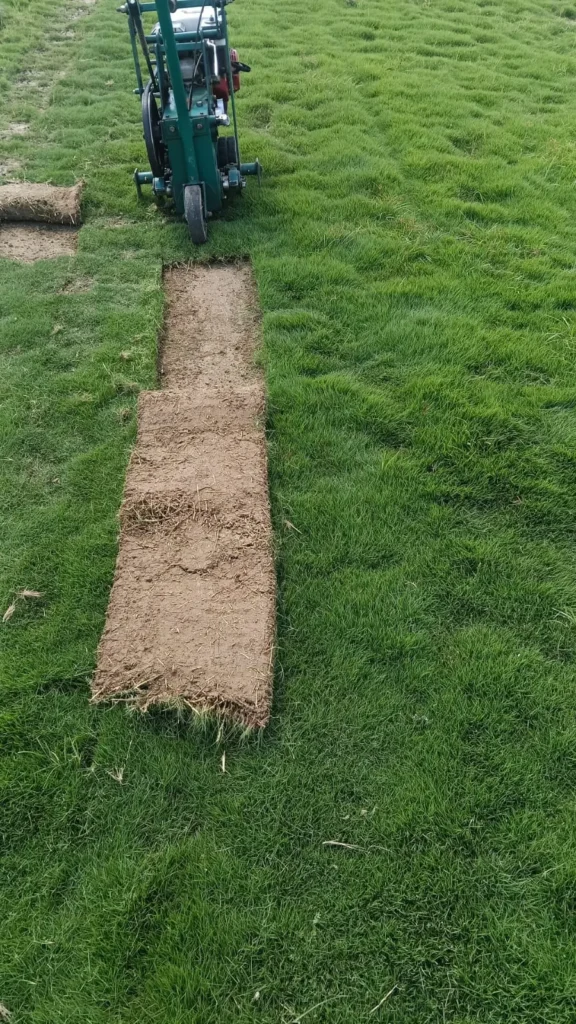
Grass rolls are placed tightly side by side, like puzzle pieces. Gaps should be avoided.
Immediate watering is essential after installation. It helps roots settle and prevents drying.
The lawn should remain undisturbed for 2 to 3 weeks while roots establish.
Cost of Installing Natural Lawn Grass
Cost varies depending on grass type, site condition, and installation complexity.
Average Cost Breakdown
| Component | Estimated Cost (Per Sq Ft) |
|---|---|
| Grass Rolls | ₹15–₹35 |
| Soil Preparation | ₹5–₹12 |
| Installation Labour | ₹8–₹20 |
For a 1000 sq ft lawn, costs generally range from ₹28,000 to ₹65,000.
Premium grass varieties cost more but often require less maintenance.
When budgeting, consider long-term value rather than only initial expense.
Lawn Maintenance After Installation
A newly installed lawn needs consistent care.
Watering Schedule
Water daily for the first two weeks. Gradually reduce frequency while increasing depth.
Fertilization and Mowing
Apply starter fertilizer after three weeks.
The first mowing should happen once the grass reaches 3 inches.
Avoid cutting more than one-third of the blade length.
Consistent maintenance creates stronger roots and a healthier lawn.
Why Professional Installation Matters
Could you install lawn grass yourself? Technically yes. But should you? Usually not.
Professional installers bring expertise in levelling, soil treatment, and precise laying techniques. They understand local climate conditions and grass behavior.
They also save time. What might take a homeowner several weekends can be completed professionally in a day or two.
Most importantly, professionals reduce costly mistakes like improper drainage or uneven growth.
A professional lawn installation is an investment in peace of mind.
Conclusion
Natural lawn grass is more than just an outdoor feature for a newly constructed home. It is the element that brings life, softness, and harmony to your property. It improves curb appeal, supports environmental health, and creates a welcoming outdoor space for years to come.
The key to success lies in choosing the right grass type, preparing the soil properly, and maintaining the lawn consistently. Whether you prefer the resilience of Bermuda grass, the elegance of Korean grass, or the softness of Mexican grass, the right choice can transform your new house into a complete dream home.
A home without a lawn can feel unfinished. Add natural grass, and suddenly it breathes.
FAQs
1. When should I install natural lawn grass after home construction?
Install it after all heavy construction work is completed and external finishing is done.
2. Which grass is best for the Delhi climate?
Bermuda grass and Korean grass perform exceptionally well in Delhi.
3. How long does natural lawn grass take to establish?
Usually 2 to 4 weeks with proper watering and care.
4. Is natural grass better than artificial turf?
Natural grass offers cooling, oxygen production, and environmental benefits that artificial turf cannot match.
5. How often should a new lawn be watered?
Daily for the first two weeks, then gradually reduce frequency.
Last Updated on 5 months ago by Balaji Nursery Editorial Team

- How do you pick the right planter size so your plant actually thrives? - October 10, 2026
- Tulsi Plant Direction as per Vastu: Where to Keep It at Home - October 3, 2026
- Which garden planter is right for your home, balcony or terrace? - October 1, 2026