 by Balaji Nursery Editorial Team
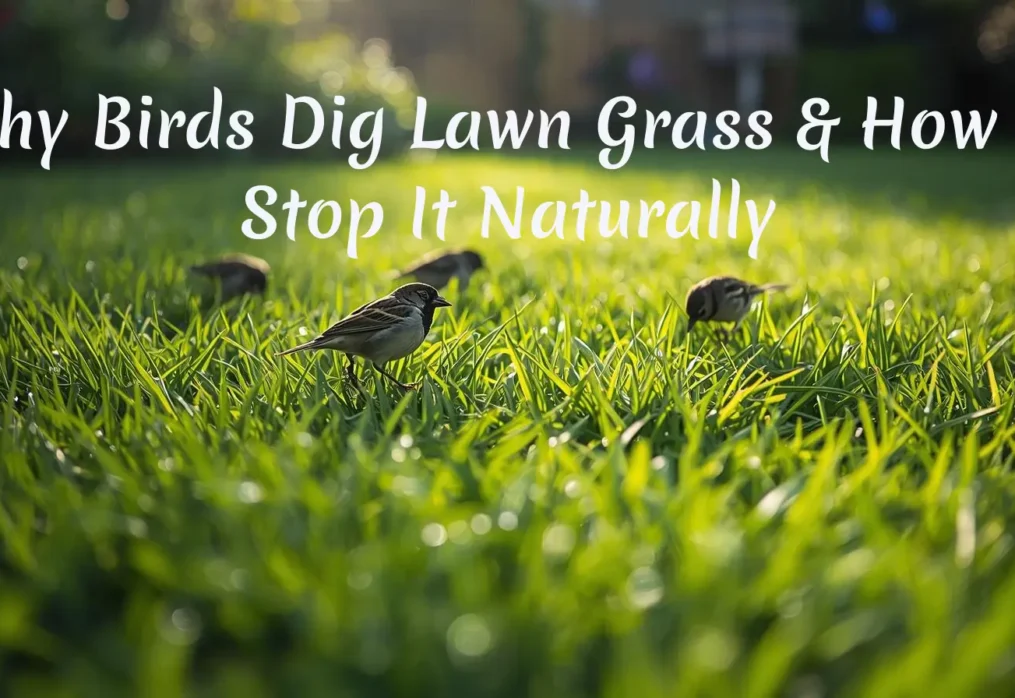
Why Birds Dig Lawn Grass & How to Stop It Naturally
If you have ever stepped outside in the morning, coffee in hand, only to see your once-smooth lawn looking like it hosted a tiny excavation project overnight—relax. You are not alone. Birds digging lawn grass is one of the most common lawn complaints across homes, gardens, and farmhouses.
Here is the honest truth: birds are not your enemy. They are not trying to destroy your lawn, nor do they have personal issues with your grass. They are simply responding to what your lawn is telling them.
This article explains why birds dig lawn grass, what it actually says about your soil health, and how to stop it naturally—without harming birds, chemicals, or your lawn’s long-term health. Additionally, adopting best practices for natural selection grass can significantly enhance the resilience of your lawn. By understanding the principles of natural selection, homeowners can create a thriving ecosystem that promotes healthy grass while deterring undesirable pests. These strategies not only benefit your lawn but also contribute positively to the overall environmental balance.
Why Birds Dig Lawn Grass (The Real Reasons)
Birds do not randomly attack lawns. They dig for very specific reasons, and all of them come back to food availability and soil condition.
1. Your Lawn Is Full of Insects (Birds’ Favorite Buffet)
Birds dig lawns mainly to eat:
- Earthworms
- Grubs
- Beetle larvae
- Ant colonies
- Cutworms
If birds keep visiting the same area repeatedly, your lawn is acting like a free restaurant.
Important logic:
Healthy lawns can have insects, but excess insect activity usually points to soil imbalance, overwatering, or excess organic decay.
Research from agricultural extensions confirms that lawns with grub populations attract birds and even animals like crows and mynas because they detect larvae just below the surface.
2. Loose or Weak Root Structure
Birds prefer lawns where the grass roots do not hold soil tightly.
This happens when:
- The lawn is newly installed
- Soil lacks organic structure
- Overwatering softens the top layer
- Grass roots remain shallow
When roots fail to anchor soil, birds can flip grass easily with their beaks. Think of it as opening a loose carpet instead of a tightly fixed one.
3. Thatch Build-Up Creates a Hidden Ecosystem
Thatch is the layer of dead grass between the soil and the living grass.
When thatch exceeds safe levels:
- Moisture stays trapped
- Insects breed rapidly
- Soil stays soft for longer
Birds sense this. To them, thick thatch equals food + easy digging.
4. Seasonal Behavior (Especially After Rain)
Bird digging increases during:
- Early morning
- After rainfall
- Spring and early monsoon
Why? Moist soil brings worms closer to the surface. Birds do not dig deeper—they simply take advantage of timing.
This behavior is widely documented in turfgrass studies and bird foraging research.
Is Bird Damage Actually Harmful to Your Lawn?
Here is a surprising fact that most people miss.
Birds are often a symptom, not the problem.
In mild cases:
- Birds help reduce pest populations
- Soil aeration improves naturally
In severe cases:
- Turf gets uprooted
- Bare patches form
- Weeds invade exposed soil
So the goal is not to scare birds aggressively, but to fix the reason they keep coming back.
How to Stop Birds from Digging Lawn Grass Naturally
Let us focus on ethical, lawn-safe, and bird-friendly methods that actually work long-term.
1. Fix the Insect Problem (Without Chemicals)
If insects disappear, birds leave on their own.
Natural solutions that work:
- Neem oil soil drench (controls grubs safely)
- Beneficial nematodes (scientifically proven grub control)
- Compost tea to restore microbial balance
University turf studies consistently show nematodes as an effective organic solution against soil larvae without harming birds or grass.
2. Strengthen Grass Roots (This Is Critical)
Strong roots = no easy digging.
Do this instead of quick fixes:
- Reduce shallow watering
- Water deeply but less frequently
- Use organic compost once per season
- Avoid excess nitrogen
Deep roots make soil compact enough to resist beak pressure.
3. Remove Excess Thatch the Right Way
Thatch removal does not mean aggressive raking every week.
Best approach:
- Light dethatching once or twice a year
- Top-dressing with sand + compost mix
- Avoid constant scalping during mowing
Balanced thatch discourages insects and keeps soil firm.
4. Temporary Visual Deterrents (Short-Term Help)
These do not fix the cause but help during peak activity.
- Reflective bird tape
- Shiny pinwheels
- Old CDs (yes, they still work)
- Moving scare devices
Rotate positions every few days. Birds are smart. Static scare tools lose effectiveness fast.
5. Lawn Netting for High-Risk Areas
For freshly installed lawns or patch repairs:
- Use lightweight garden netting
- Keep it 2–3 weeks only
- Remove once roots establish
This protects grass without trapping birds or damaging soil.
What NOT to Do (Common Mistakes)
Let us save you time, money, and frustration.
❌ Poison baits – harmful, illegal in many areas, and unethical
❌ Sharp objects or spikes – injure birds and pets
❌ Constant noise devices – disturb neighbors and lose effect
❌ Over-fertilizing – attracts more insects, not fewer
Healthy lawns repel birds naturally. Artificial panic tactics fail long-term.
Does Grass Type Matter?
Yes, and most people ignore this.
Some grasses naturally resist bird damage better due to:
- Dense root systems
- Tight soil binding
- Faster recovery
Dense, carpet-forming grasses suffer less visible damage compared to weak, thin turf.
Choosing the right grass for your climate and usage reduces bird digging issues dramatically over time.
Is Bird Digging a Sign of Poor Lawn Health?
In most cases, yes.
Birds act like natural inspectors. They reveal:
- Excess moisture
- Soil imbalance
- Hidden pest problems
Instead of fighting birds, smart lawn owners read the signal and correct the soil.
Frequently Asked Questions
Do birds destroy lawns permanently?
No. Damage becomes permanent only when the soil remains weak and bare patches stay untreated.
Will birds stop coming back?
Yes, once insects are reduced, the soil firms up. Birds prefer easy food.
Is it okay to let birds dig sometimes?
Occasional digging helps pest control. Panic only when turf uproots repeatedly.
Trusted Sources & Research References
To maintain transparency and trust, this article aligns with findings from:
- Agricultural Extension Turfgrass Research
- Organic pest control studies on beneficial nematodes
- Soil health publications on thatch management
- Bird foraging behavior studies in managed landscapes
These sources consistently agree: healthy soil discourages excessive bird digging naturally.
Final Thoughts: Work With Nature, Not Against It
Birds digging your lawn is not bad luck. It is feedback.
A lawn with:
- Balanced soil
- Strong roots
- Controlled insects
do not attract digging birds for long.
Fix the foundation, and the problem solves itself—quietly, naturally, and permanently.
If you treat birds as enemies, you will keep fighting.
If you treat them as messengers, your lawn improves.
And your mornings stay peaceful—coffee included. ☕🌱
Last Updated on 7 months ago by Balaji Nursery Editorial Team

- How much does lawn grass cost in West Bengal right now? - October 24, 2026
- Which lawn grass survives Bihar’s heat, monsoon and soil conditions? - October 16, 2026
- How do you pick the right planter size so your plant actually thrives? - October 10, 2026