Lawn Aeration: Signs Your Lawn Needs It and How to Do It
 Balaji Nursery Editorial Team
7 min read
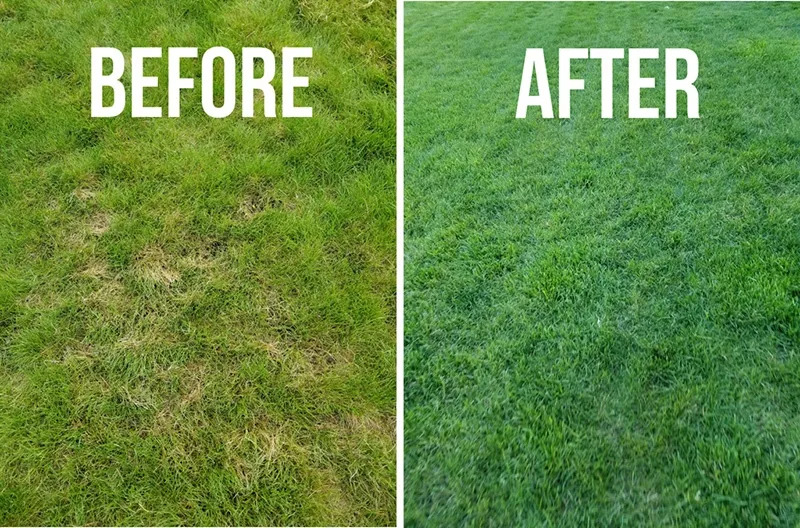
Is your lawn thin, patchy or full of puddles even though you water and mow it regularly? The problem may be underground. Lawn aeration means making small holes in the soil so air, water and nutrients can reach the grass roots. You need it when the soil has become hard and compacted, which is common in lawns with heavy foot traffic, clay soil or a thick layer of thatch.
This guide explains the signs that your lawn needs aeration, the best time to do it in India, and how to do it step by step.
What Is Lawn Aeration and Why Does It Matter?
 Healthy soil is not solid. About half of it should be tiny air and water-filled gaps between particles. Roots grow into these gaps and take in oxygen, water and nutrients. When soil is pressed tight, the gaps shrink and roots struggle to grow deep.
Lawn aeration reopens these gaps. There are two main methods:
- Core (hollow-tine) aeration: A machine or tool removes small plugs of soil, usually 2–3 inches (5–8 cm) long. This is considered the most effective method, especially for heavily compacted or clay soil.
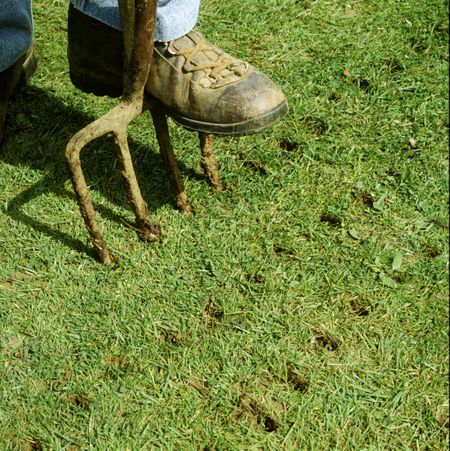
- Spike (solid-tine) aeration: Solid spikes or a garden fork push holes into the soil without removing anything. It works for light compaction and small lawns, but is less effective than coring.
Lawn Aeration Benefits
Turf experts at the University of Nebraska-Lincoln say core aeration improves a lawn’s health and vigour. The main lawn aeration benefits are:
- Better air exchange between soil and atmosphere
- Easier water absorption and less runoff or puddling
- Stronger, deeper roots, which help grass cope with heat and drought
- Less thatch build-up, as microbes break it down
- Better results from fertiliser, compost and overseeding
Do not expect miracles from a single session, especially on very poor soil. Results build up over repeat treatments.
Signs Your Lawn Needs Aeration
Look for these warning signs of lawn soil compaction:
- Hard soil: Push a screwdriver into moist soil. If it goes in easily, the soil is fine. If you struggle, the soil is likely compacted.
- Puddles after rain or watering: Water sits on the surface or runs off instead of soaking in.
- Thin or patchy grass: Grass struggles in worn paths, play areas and parking spots.
- Thick thatch: If the layer of dead stems and roots between grass and soil is more than about an inch thick, aeration helps.
- Heavy clay soil: Clay compacts easily. See our guide to improve garden soil drainage in clay-heavy ground.
- Heavy use or a new house: Construction traffic and vehicles often compact the soil badly.
- Grass that looks dry even though you water it: The water may be running off instead of reaching the roots.
If your lawn only shows yellowing or a few brown spots, aeration may not be the cause. Pests, disease, shade, overwatering or poor feeding can look similar, so check these as well.
When to Aerate a Lawn in India
The right time to aerate is when your grass is growing actively, so it can recover quickly. Most Indian lawns use warm-season grasses such as Bermuda (doob), Mexican, Korean and Zoysia varieties. For these, aim for the warm months when the grass is growing well, and avoid aerating during dormancy.
As a general guide in Delhi NCR:
- Best windows: Late February to May as growth picks up, or September to early October once the heaviest monsoon rain has passed.
- Avoid: The hottest weeks of peak summer, waterlogged soil during heavy monsoon rain, and the cold winter weeks when the grass slows down.
Exact timing depends on your grass type and local weather. If your lawn is dormant or slow in winter, wait until it starts growing again.
How Often Should You Aerate?
Once a year is a good rule for lawns on clay soil or with heavy foot traffic. Lawns on lighter, sandy soil or in good health usually need it only every two to three years.
How to Aerate a Lawn: Step by Step
1. Pick the Right Day
The soil should be moist but not wet. Aerating dry, hard soil is like trying to push into concrete, and aerating soggy soil creates mud and more compaction. If the lawn is dry, water it a day or two before.
2. Mow and Prepare
Mow the lawn a little shorter than usual and clear leaves and debris. Mark sprinkler heads, irrigation pipes and cables so you do not damage them.
3. Choose Your Tool
- Small lawns: A garden fork, a manual hollow-tine aerator or aerator shoes.
- Larger lawns: A powered core aerator, which you can hire or get a professional to operate.
4. Make the Holes
Aim for holes about 2–3 inches (5–8 cm) deep and roughly 3 inches (7–8 cm) apart. Work across the lawn in straight lines, then repeat at a right angle on badly compacted patches. If you use a fork, push it in, rock it gently and pull it out without lifting the soil.
5. Leave the Plugs
Do not rake up the soil plugs. They break down within a week or two, returning nutrients to the lawn.
6. Top-Dress and Feed
After aeration, spread a thin layer of compost over the lawn and brush it into the holes. A light feed of fertiliser at this stage helps the grass recover and compete with weeds. If your lawn has bare patches, this is also a good time to repair them.
7. Water and Rest
Keep the soil evenly moist for the next two weeks and limit heavy use of the lawn while it recovers.
Common Lawn Aeration Mistakes
- Aerating when the soil is too wet or too dry
- Aerating a dormant lawn, which can stress the grass
- Using only a few shallow spikes on a large, heavily compacted lawn
- Removing and discarding the plugs
- Mowing too short just before aerating
- Skipping aftercare, such as watering and a light feed
- Treating aeration as a cure-all when the real problem is shade, pests or overwatering
When to Get Professional Help
For a large lawn, very hard soil or a problem that keeps coming back, a professional can assess the cause and handle the work. Balaji Nursery’s gardener services include lawn maintenance, manuring and fertilising, and soil improvement. If you are planning a new lawn, preparing the soil before you lay natural lawn grass is far easier than fixing compaction later, because you can loosen the ground and mix in compost first.
Conclusion
Lawn aeration is a simple job with real benefits. Check for signs of compaction, choose the right season, aerate when the soil is moist, and follow up with compost, a light feed and regular watering. If your lawn has been struggling despite good care, aeration may be the missing step.
If you would like help diagnosing your lawn or keeping it healthy through the year, ask Balaji Nursery about lawn maintenance support with your location and a few photos of your lawn.
Frequently Asked Questions
Is lawn aeration really necessary?
Not for every lawn. Lawns with compacted soil, heavy clay, heavy use or thick thatch benefit most. If water soaks in well and the grass is healthy, you may not need it often.
Can I aerate my lawn with a garden fork?
Yes, on small lawns. Push the fork 5–8 cm into moist soil at regular spacing. It is less effective than core aeration on very hard ground, but it helps with light compaction.
What should I do after aerating my lawn?
Leave the soil plugs to break down, spread a thin layer of compost, apply a light feed and keep the soil moist. You can also repair bare patches at this stage.
What is the difference between aeration and dethatching?
Aeration opens the soil with holes. Dethatching removes the layer of dead grass and roots on the surface. Some lawns need both, but they are separate jobs.
Does a new lawn need aeration?
Usually not right away. A new lawn needs time to root first. The better approach is to loosen and prepare the soil before laying grass, and to aerate later if compaction develops.
Last Updated on 2 hours ago by Balaji Nursery Editorial Team

- Lawn Aeration: Signs Your Lawn Needs It and How to Do It - November 29, 2026
- How to Improve Garden Soil Drainage in Clay-Heavy Soil: A Step-by-Step Guide - November 28, 2026
- Garden Waterlogging Solutions: How to Fix a Waterlogged Garden After Heavy Rain - November 27, 2026
 Balaji Nursery Editorial Team