Garden Waterlogging Solutions: How to Fix a Waterlogged Garden After Heavy Rain
 Balaji Nursery Editorial Team
9 min read
Heavy rain is welcome, but when puddles sit on your lawn or flower beds for days, it becomes a problem. If you are looking for garden waterlogging solutions, the short answer is this: first find out why the water is not draining, then fix the cause. Loosen compacted soil, add organic matter, correct low spots and slopes, and, where needed, give the water somewhere to go through a drain or soakaway.
This guide explains how to do each of these steps, with advice suited to Indian monsoon conditions.
Why Waterlogged Garden Soil Is a Problem
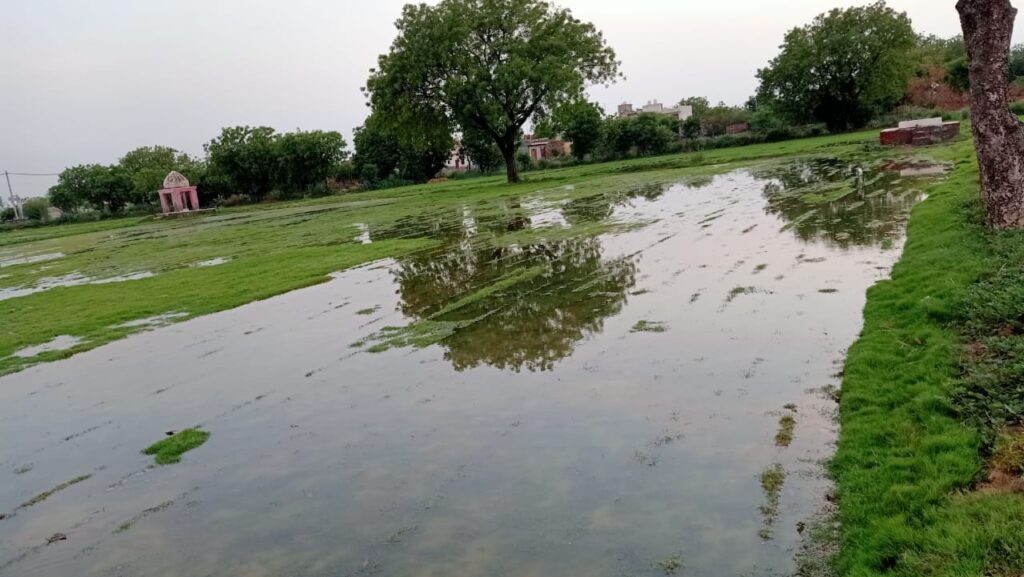
In waterlogged garden soil, the tiny air spaces between soil particles are full of water instead of air. This limits the oxygen supply to the roots, and without oxygen, roots cannot function properly and plants begin to suffer.
Waterlogging does more harm in warm weather, when roots are active and need more oxygen. This is why a long wet spell in the Indian monsoon is harder on plants than a wet spell in winter.
Common signs of a waterlogged garden include:
- Puddles that stay for more than a day after rain
- A squelchy, spongy feel when you walk on the lawn
- Yellowing leaves and stunted growth
- Roots that are brown, soft or smelly
- Moss, algae or a green film on the soil surface
- Grass that becomes patchy or thin in low areas
First, Find Out Why Your Garden Is Waterlogged
Fixing the symptom without knowing the cause usually means the problem returns next monsoon. These are the most common causes:
- Compacted soil: Foot traffic, play areas, parked vehicles and construction work press the soil tight, leaving little room for water to move down.
- Heavy clay soil: Clay particles are very fine, so water drains through them slowly. Many gardens in Delhi NCR have dense, heavy soil, so this is worth checking.
- Poor levelling: Low spots collect water, and flat areas with no gentle slope have nowhere to send it.
- Runoff from outside the garden: Water from roofs, driveways, paved areas or a neighbouring plot can flow into your garden.
- Poor soil preparation: If the soil was never loosened or improved before the lawn or beds were made, drainage problems start early.
- Overwatering: In the rainy season, regular watering on top of rainfall can leave the soil permanently wet.
Do a Simple Drainage Test
You can check drainage in about a day without any equipment:
- Dig a hole roughly 30 cm deep and 30 cm wide in the problem area.
- Fill it with water and let it drain completely.
- Fill it again and note how long it takes to empty.
Many gardening guides treat a second fill that takes more than about four hours to drain as a sign of a drainage problem. Repeat the test in different corners of the garden, because drainage can vary a lot within one property.
How to Fix Waterlogging in a Garden: Step-by-Step Solutions
1. Stay Off the Wet Soil
Do not walk on, mow or dig a waterlogged garden while it is saturated. Wet soil is easily crushed, and every footstep makes compaction worse. Wait until the standing water has drained and the surface is firm enough to walk on without leaving deep footprints.
2. Aerate the Soil to Open Up Drainage Channels
Aeration is one of the most effective garden drainage solutions for lawns, because it breaks up compacted soil and lets water and air reach the roots. Push a garden fork 10–15 cm into the soil every 10–15 cm across the wet patch, or use a hand or rolling aerator. Hollow-tine aerators that remove small plugs of soil work better than simple spiking.
Do this once the surface is no longer sticky or muddy, and while the grass is actively growing, so it recovers quickly. In most of India, this means the warmer months rather than the cold winter weeks.
3. Top-Dress With Compost and Sand
After aerating, spread a thin layer of compost over the lawn, either alone or mixed with horticultural sand in roughly equal parts, and brush it into the holes. Over time, this improves soil structure and helps water move through. Avoid using plain fine sand on its own, as it can make clay soil set harder.
For flower beds and vegetable patches, dig in well-rotted compost or leaf mould to open up heavy soil. Adding organic matter regularly is one of the simplest ways to prevent waterlogging in a garden.
4. Correct Low Spots and Improve the Slope
If the same corner floods every time, the ground level is the likely problem. Small hollows can be filled with a soil and compost mix. For lawns, a gentle slope away from the house helps surface water run off. Large areas that need re-levelling are best handled by trained professionals, since poor grading can send water towards walls or neighbours.
5. Redirect Water From Roofs and Paved Areas
Check where your rainwater pipes and driveway runoff end up. Direct downpipes away from lawns and beds towards a drain, a rainwater harvesting pit, or a planted border that can absorb the water. Clearing blocked gutters before the monsoon also prevents overflow into the garden.
6. Use Raised Beds or Mounds for Problem Areas
If part of the garden stays wet no matter what you do, grow in it differently. Raised beds filled with a loose, well-drained soil mix lift the roots above the soggy zone. This works well for vegetables, herbs and seasonal flowers.
7. Install Drainage Where Needed
When soil improvement is not enough, a built drainage system may be the answer. Common options include:
- French drain: A gravel-filled trench with a perforated pipe that carries water away from the wet area.
- Soakaway or dry well: A pit filled with gravel or rubble that lets collected water soak slowly into the ground.
- Swale or rain garden: A shallow, planted depression that collects runoff and gives it time to soak in.
Any drain needs somewhere for the water to go. Draining a wet patch onto a neighbour’s land or a blocked outlet only moves the problem. If your garden has serious drainage issues, it is sensible to get a professional site assessment before digging trenches.
8. Rethink Your Watering
During the monsoon, switch off sprinklers and water only when the soil is dry a few centimetres down. Overwatering on top of rain is a quiet cause of waterlogged lawns and rotting roots.
Common Mistakes to Avoid
- Mowing wet grass, which tears the blades and compacts the soil
- Adding fertiliser to a flooded lawn, since much of it will wash away before reaching the roots
- Covering the soil with a thick layer of sand or topsoil, which can trap water underneath
- Digging a drain with no outlet, which simply creates an underground puddle
- Ignoring the cause, and repeating the same short-term fix every monsoon
How to Prevent Waterlogging in a Garden Next Season
Prevention costs far less than rescue. Before the rains arrive, aerate the lawn, clear gutters and drains, and top-dress with compost. When laying a new lawn, prepare the ground properly: loosen the soil, level it with a slight fall for runoff, and mix in organic matter first. Most lawn drainage problems begin at this stage.
Choosing grass and plants that suit your site also helps. A variety that copes with your sun, soil and rainfall pattern is far more forgiving than one that struggles in wet conditions.
When to Call a Professional
Consider expert help if water remains for several days after rain, if your lawn has turned to mud or patchy decay, or if the problem affects the whole garden rather than one corner. At Balaji Nursery, the team looks at soil, levelling and the existing lawn together. If you are not sure what is wrong, soil treatment services can address compacted or poorly drained ground before you replant. You can also try the lawn grass problem diagnosis tool to narrow down what your lawn is showing. For bigger changes such as re-levelling, raised beds or planned drainage, professional landscaping services can reshape the garden so water flows where you want it.
Conclusion
Waterlogging is rarely a one-fix problem. Test your drainage, find the cause, and work through the simple steps first: aeration, compost, levelling and better watering. Add drains or raised beds only where the problem demands it. Done before the next monsoon, these steps can keep your garden healthy even in a heavy downpour.
If your garden still holds water, request a garden assessment from Balaji Nursery and our team will look at your soil, levels and lawn before suggesting a practical solution.
Frequently Asked Questions
How long does it take for a waterlogged garden to dry out?
It depends on the soil and the weather. Sandy or loamy soil may drain within a day, while heavy clay can stay wet for several days. If water remains for more than two or three days after rain, you likely have a drainage problem that needs fixing.
Can plants recover from waterlogging?
Many can, if the waterlogging is short and the roots are not yet rotting. Once drainage improves, trim damaged growth, hold back on fertiliser and give the plant time. Plants with soft, black or smelly roots may not survive.
What is the best way to improve drainage in clay soil?
Dig in plenty of compost or well-rotted manure, aerate lawns regularly, and avoid walking on wet ground. Raised beds are a useful option for vegetables and flowers. Organic matter works gradually, so keep adding it each season.
Should I add sand to waterlogged garden soil?
Only in the right way. Mixing coarse or horticultural sand with compost can help, but a thin layer of fine sand over clay may make the soil set harder. Compost and organic matter usually matter more than sand.
When should I fix garden drainage in India?
The best time is before the monsoon, when the soil is dry and easy to work. If the problem appears during the rains, wait for the surface water to drain, then aerate and make repairs once the ground is firm.
Last Updated on 18 seconds ago by Balaji Nursery Editorial Team

- Garden Waterlogging Solutions: How to Fix a Waterlogged Garden After Heavy Rain - November 27, 2026
- Grass for Commercial Frontage: Showrooms, Petrol Pumps - November 19, 2026
- Weed Free Lawn Guarantee: Why Professional Care Wins - November 14, 2026

 Balaji Nursery Editorial Team