 by Anjali Mehra Ph.D. in Horticulture (Punjab Agricultural University)
How to Grow a Low-Maintenance Lawn in India – Step by Step
Introduction
Want a lush green lawn without spending hours mowing, watering, and fertilizing? You’re not alone. Homeowners across India are shifting towards low-maintenance lawns that save time, cut costs, and still keep the outdoors looking beautiful. By picking the right grass, preparing your soil properly, and following a smart care routine, you can enjoy a stunning lawn all year round—without the backbreaking work.
Why Low-Maintenance Lawns are Ideal for Indian Homes
Water-saving – Uses less water in hot summers.
Budget-friendly – Fewer fertilizers and chemicals.
Time-efficient – Less mowing and maintenance.
Eco-friendly – Supports soil health and local biodiversity.
Understanding Indian Climate for Lawns
Before planting, know your weather:
Hot Summers (March–June): Heat-tolerant grasses like Bermuda thrive.
Monsoon (July–September): Watch out for weeds and fungal infections.
Mild Winters (October–February): Growth slows; watering frequency drops.
👉 Pro Tip: Choose grass that suits your local climate instead of copying Western lawn styles.
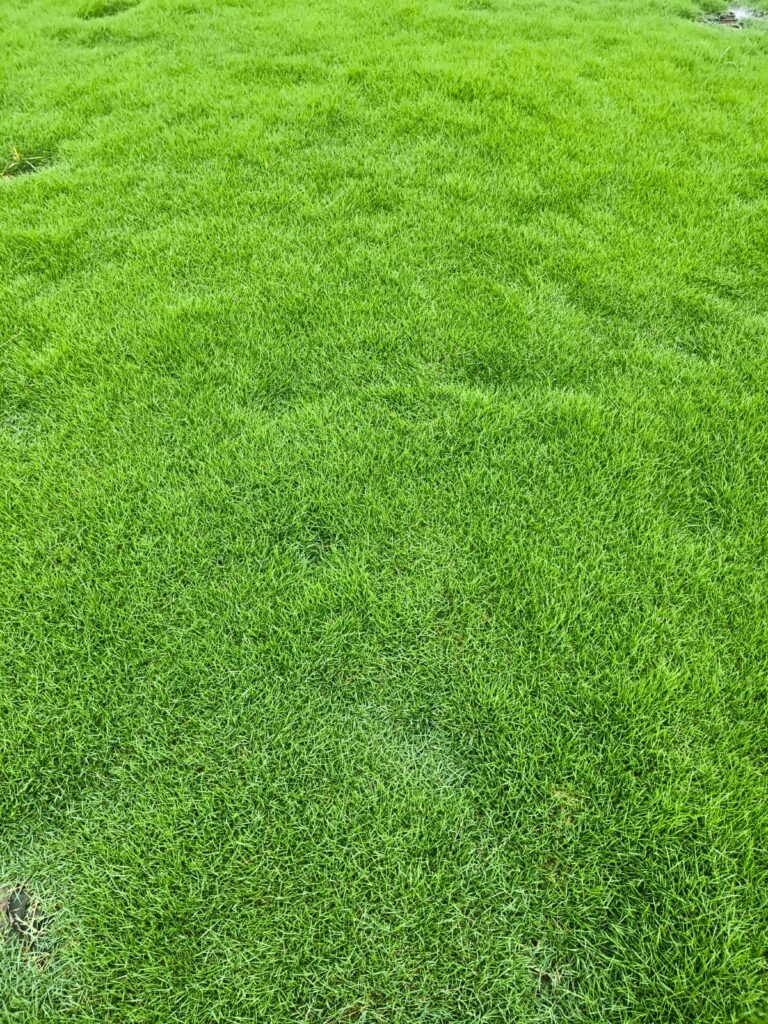
Best Low-Maintenance Grass Types in India
1. Bermuda Grass (Doob Grass)
Thrives in heat and sunlight.
Low water requirement.
Spreads quickly, covers bare patches.
2. Korean Grass (Carpet Grass)
Dense, soft, and shade-tolerant.
Grows slowly → less mowing needed.
Higher initial cost but long-lasting.
3. Mexican Grass
Popular for ornamental lawns.
Soft texture, grows well in Indian soils.
Needs occasional trimming.
4. Zoysia Grass
Extremely hardy and pest-resistant.
Once rooted, needs very little water.
Works well for both small and large lawns.
5. Hybrid Grass Varieties
Many nurseries (like Balaji Nursery in Delhi & Chandigarh) now supply sod rolls with hybrid grasses—perfect for homeowners who want quick results and easy upkeep.
Step 1: Preparing the Ground
Sunlight Check: Ensure 4–6 hrs of direct light.
Soil Test: pH between 6–7 is best. Add compost if soil is sandy or clay-heavy.
Clear the Area: Remove weeds, roots, and stones.
Step 2: Planting Methods
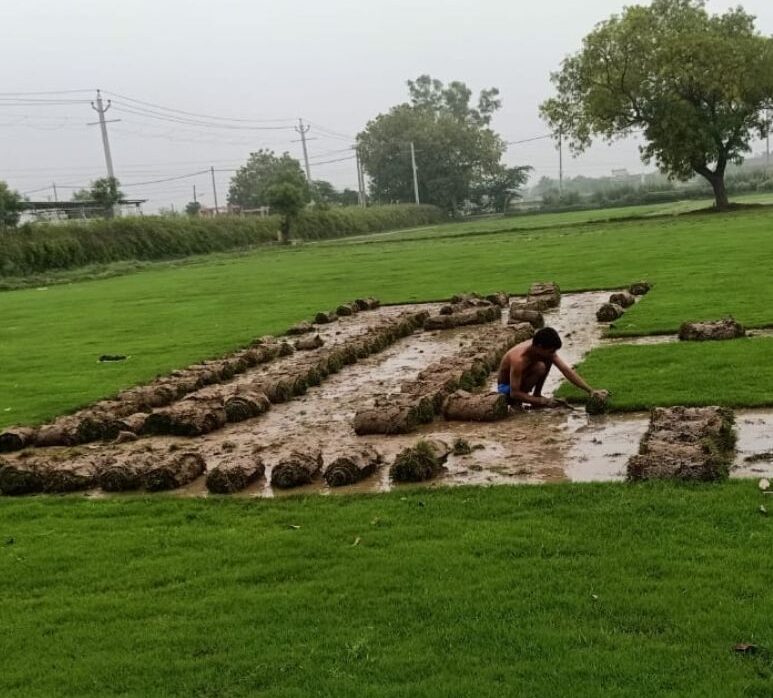
✔ Sod Rolls (Instant Lawn)
Pre-grown grass sheets → green lawn in 24 hours.
Cost: ₹10–₹30 per sq. ft.
Best for busy homeowners.
✔ Seeding (Budget-Friendly)
Scatter seeds evenly → cover with soil.
Cost: ₹2–₹5 per sq. ft.
Takes 6–8 weeks to establish.
✔ Plugs or Sprigs
Small patches planted → spread gradually.
Slower but cost-effective.
Step 3: Watering Schedule
First 2 weeks: Water daily.
After establishment: 2–3 times per week.
Winter: Once every 7–10 days is enough.
💡 Tip: Always water early morning to reduce evaporation.
Step 4: Fertilization & Soil Health
Use organic compost or vermicompost every 2–3 months.
Avoid chemical-heavy fertilizers—they weaken soil long term.
Mulch clippings to retain nutrients naturally.
Step 5: Weed & Pest Control
Pull weeds manually in early stages.
Use eco-friendly sprays like neem oil.
Aerate soil yearly to prevent fungal growth.
Step 6: Seasonal Lawn Care
Summer: Mow lightly, water more frequently.
Monsoon: Improve drainage to prevent root rot.
Winter: Reduce watering, avoid over-mowing.
Cost of Growing a Low-Maintenance Lawn in India
| Method | Avg. Cost per sq. ft. | Best For |
|---|---|---|
| Sod Rolls | ₹10–₹30 | Quick results |
| Seeds | ₹2–₹5 | Budget lawns |
| Professional Installation | ₹15–₹40 | Hassle-free setup |
Example: A 500 sq. ft. lawn may cost between ₹7,500–₹15,000 depending on method and grass type.
Different grasses need different nutrients, watering frequency, and mowing height. That’s why using a grass care planner based on lawn conditions helps avoid common lawn mistakes.
Eco-Friendly Practices for Indian Lawns
Rainwater Harvesting: Store monsoon rainwater for irrigation.
Organic Composting: Use kitchen waste for natural fertilizer.
Native Grasses: Stick to Indian varieties—they adapt better.
DIY vs. Professional Lawn Setup
DIY Benefits: Saves money, gives hands-on control.
Professional Benefits: Perfect leveling, faster installation, expert guidance.
👉 If you’re a beginner, starting with sod rolls from a trusted nursery is the safest bet.
Best Indian Cities for Low-Maintenance Lawns
Delhi NCR: Bermuda & hybrid sod rolls work best.
Chandigarh: Cooler climate suits Zoysia and Korean grass.
Bangalore: Perfect for carpet grass & ornamental lawns.
Hyderabad: Bermuda thrives in hot summers.
Common Mistakes to Avoid
❌ Overwatering – causes fungal infections.
❌ Cutting too short – weakens root system.
❌ Ignoring soil prep – poor soil = patchy growth.
Conclusion
A low-maintenance lawn in India is totally achievable—and it doesn’t have to burn a hole in your pocket. By choosing the right grass type, preparing your soil, and following simple watering and fertilizing routines, you’ll enjoy a lush, green, eco-friendly lawn that thrives in Indian conditions.
So whether you’re in Delhi, Bangalore, or Hyderabad—your dream lawn is just a few steps away!
FAQs
1. Which grass type is best for a low-maintenance lawn in India?
Bermuda grass (Doob grass) is the easiest to grow and maintain.
2. How much water does a low-maintenance lawn need?
Only 2–3 times per week once established.
3. Is seeding or sod better for beginners?
Sod rolls are faster and easier; seeding is cheaper but slower.
4. Can I grow a lawn organically?
Yes, compost and natural sprays like neem oil are enough.
5. How much does it cost to install a 1000 sq. ft. lawn in India?
Anywhere between ₹15,000–₹30,000 depending on grass type and installation method.
Last Updated on 2 months ago by Anjali Mehra Ph.D. in Horticulture (Punjab Agricultural University)

Her expertise extends to every phase of natural lawn development—from soil preparation and irrigation planning to seasonal maintenance and eco-friendly pest management. Anjali has successfully managed more than 200 natural grass installation projects across Delhi NCR, including golf courses, farmhouse lawns, school campuses, corporate parks, and rooftop gardens.
At Balaji Nursery, she leads project strategy, natural grass selection, and customer education—ensuring that every lawn is designed to thrive under real-world environmental conditions. Her approach emphasizes sustainable landscaping, weed control, and the long-term health of natural turf systems.
Through her blog and advisory services, Anjali simplifies complex lawn care techniques, empowering homeowners, new gardeners, and professional landscapers with practical insights on growing and maintaining lush, resilient lawns using Indian-adapted grass species.
- Why Birds Dig Lawn Grass & How to Stop It Naturally - March 14, 2026
- Hotel Landscaping Grass Projects in J&K - March 10, 2026
- Lawn Grass Installation in Hilly Areas - March 5, 2026