 by Balaji Nursery Editorial Team
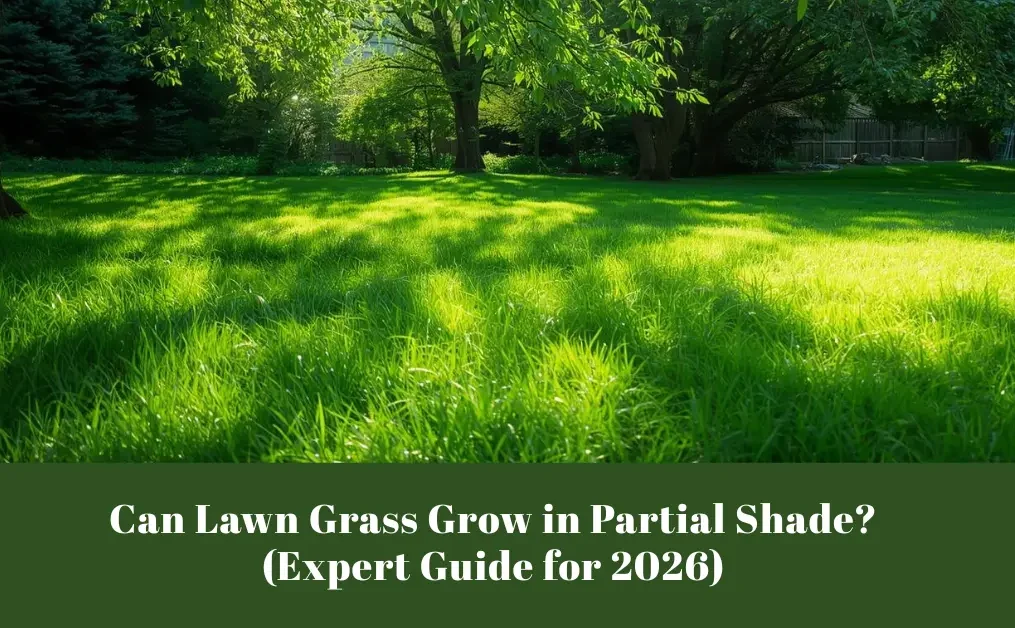
Can Lawn Grass Grow in Partial Shade? (Expert Guide for 2026)
A lush green lawn is usually linked with open sunlight, but in real residential and commercial landscapes, full sun is rare. Trees, boundary walls, buildings, and pergolas create shaded patches everywhere.
One of the most common questions we get from homeowners, landscapers, and property developers is:
Can lawn grass grow in partial shade?
The answer in 2026 is yes—but only with the right grass selection, soil preparation, and shade-specific maintenance strategy.
This expert guide explains what actually works, based on real landscaping experience and updated turf management practices.
Understanding Partial Shade (And Why It Matters)
Partial shade typically means:
- 3–6 hours of sunlight per day
- Often filtered sunlight through trees or buildings
- Sunlight that shifts during the day rather than hitting one spot constantly
How Partial Shade Affects Lawn Grass
Grass in shaded areas behaves differently than grass in full sun:
- Reduced photosynthesis
- Slower growth and recovery
- Thinner turf density
- Higher soil moisture retention
- Increased risk of fungal diseases
👉 Key insight (experience-based):
Most lawn failures in shade happen not because of lack of sun, but due to wrong grass choice + excess watering.
Best Lawn Grass Types for Partial Shade (India-Friendly)
Choosing the correct grass variety is 70% of success.
1. Fine Fescue – Best Overall for Shade
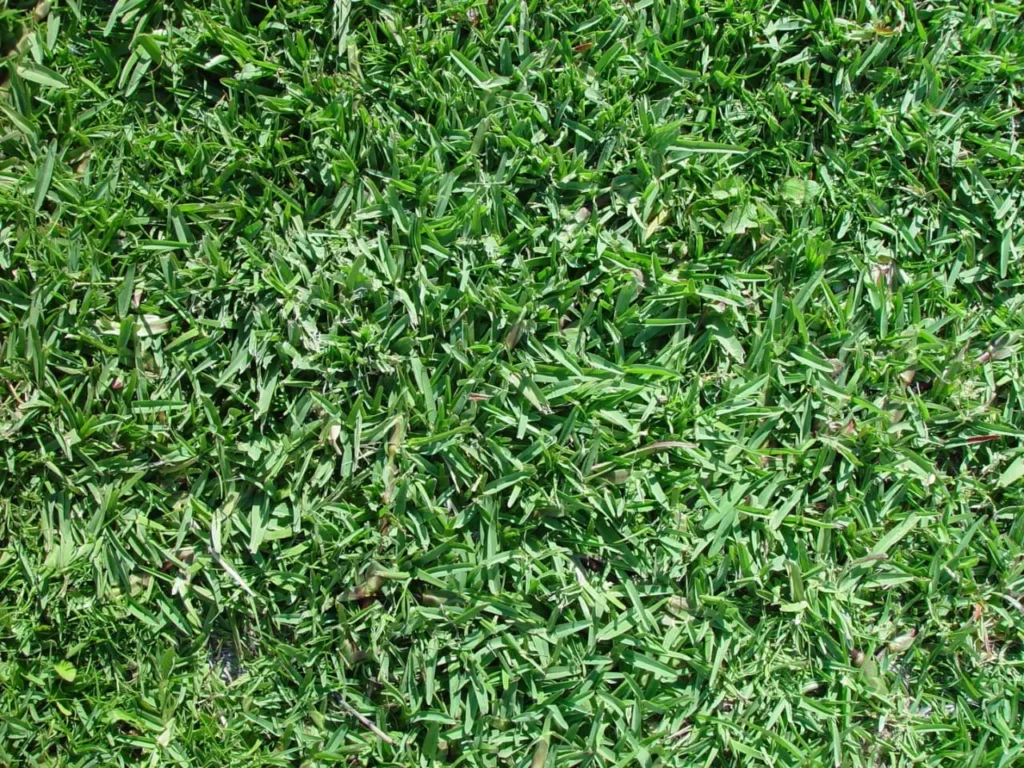
Fine fescue varieties are among the most shade-tolerant grasses globally.
Includes:
- Creeping Red Fescue
- Chewings Fescue
- Hard Fescue
Why experts recommend it:
- Performs well with limited sunlight
- Low fertilizer demand
- Fine texture, natural look
- Strong disease resistance in shade
✅ Best for: Tree-covered lawns, villas, parks, institutional campuses
2. St. Augustine Grass – Best Warm-Climate Option
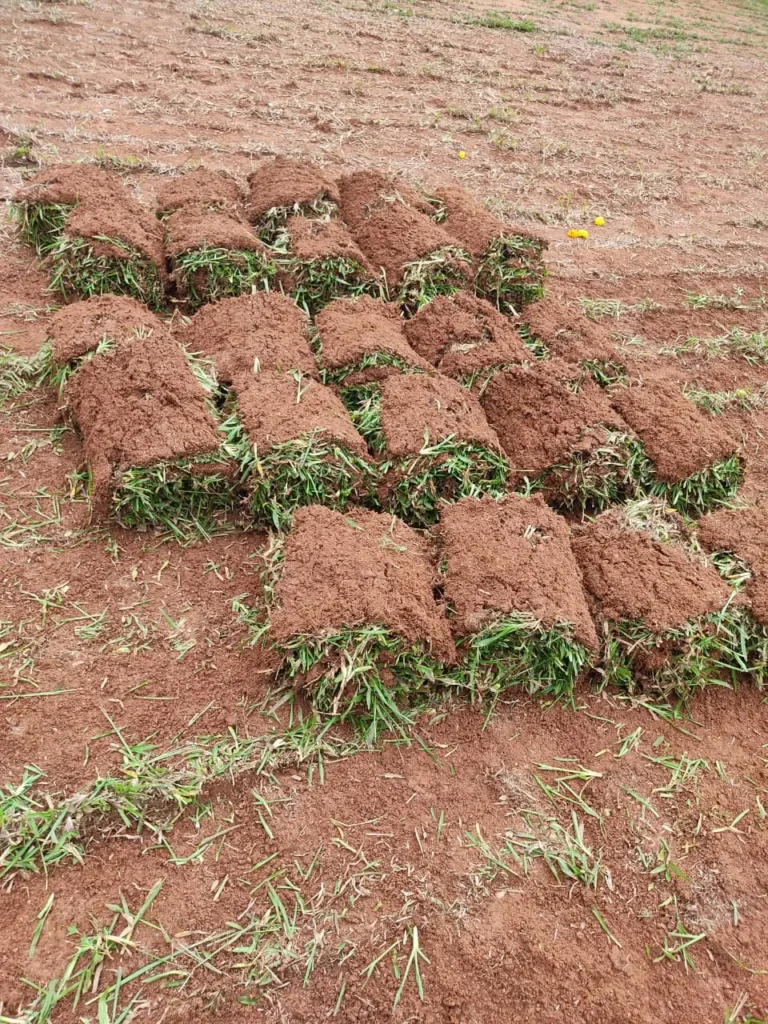
For warmer regions, St. Augustine remains the most shade-adapted warm-season grass.
Strengths:
- Broad leaves capture more light
- Dense growth suppresses weeds
- Survives with 4–5 hours of sun
⚠️ Needs good drainage to avoid fungal issues.
3. Zoysia Grass – Moderate Shade Performer
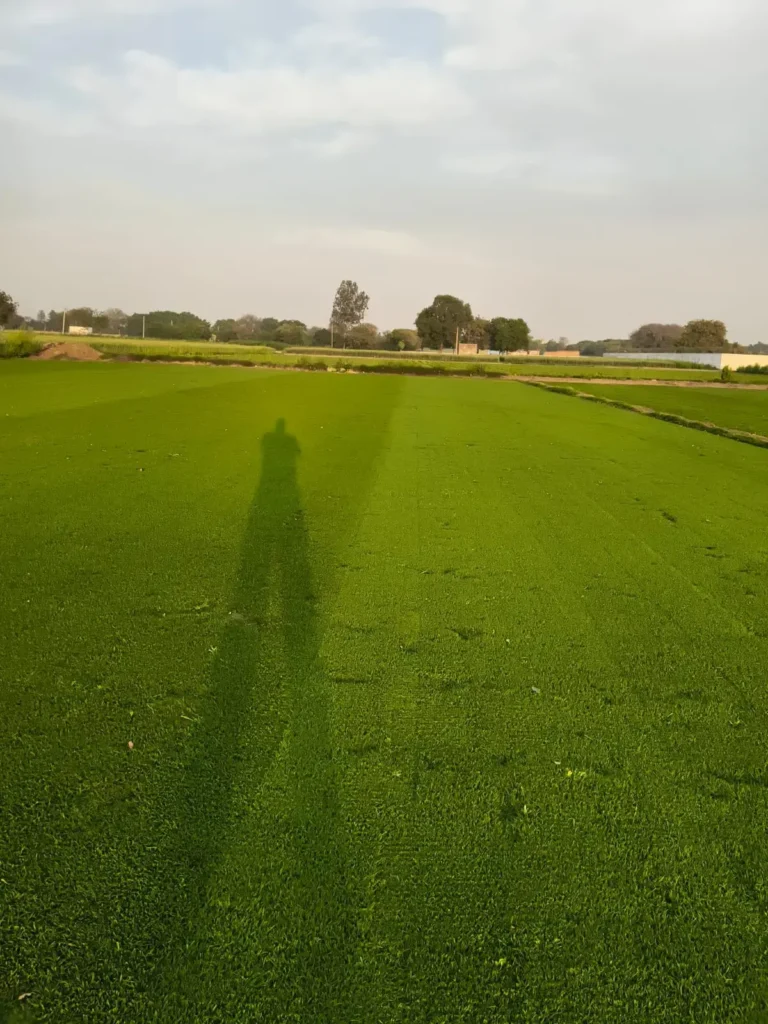
Zoysia tolerates light to moderate shade, especially filtered sunlight.
- Slow-growing but dense
- Good durability once established
- Better for partial shade than heavy shade
4. Tall Fescue – Tough and Adaptable
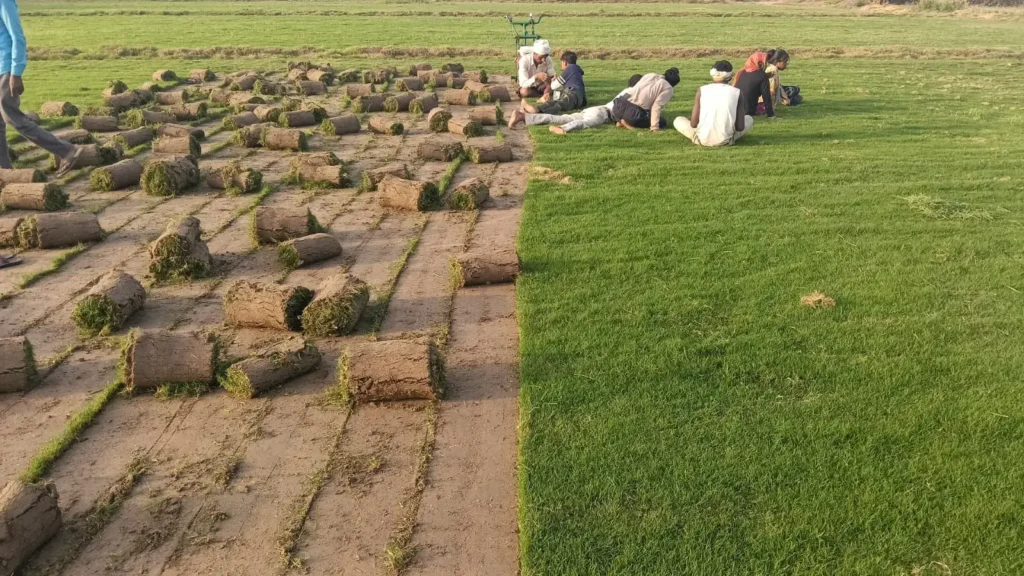
Tall fescue performs better in shade than Kentucky bluegrass.
Advantages:
- Deep root system
- Heat and drought tolerance
- Handles filtered sunlight well
How Much Shade Is Too Much for Grass?
Even shade-tolerant grass has limits.
❌ Less than 3 hours of sunlight daily
→ Turf growth becomes weak and patchy.
Better Alternatives for Deep Shade
- Shade-tolerant ground covers
- Decorative mulch zones
- Stone pathways or hardscape
- Landscape redesign around trees
👉 Professional rule:
If grass struggles for 2 seasons despite proper care, change the surface—not the fertilizer.
Soil Preparation for Partial Shade Lawns (Critical Step)
Shaded soil behaves differently and must be treated accordingly.
1. Improve Drainage
Shaded areas dry slowly.
Recommended actions:
- Core aeration
- Organic compost incorporation
- Correct surface grading
2. Maintain Correct Soil pH
Ideal pH range:
- 6.0–7.0 for most lawn grasses
Use soil testing before amendments.
3. Manage Tree Root Competition
Tree roots aggressively absorb water and nutrients.
Solutions:
- Targeted fertilization
- Vertical mulching
- Root barrier (where feasible)
Seeding Techniques That Work in Shade
Use Shade-Specific Grass Mix
Always choose premium shade seed blends instead of single varieties.
Why blends work better:
- Higher survival rate
- Better disease resistance
- Improved density over time
Overseed Every Year
Grass in shade naturally thins.
✔ Annual overseeding keeps lawns full and weed-resistant.
Best Seeding Time
- Cool-season grasses: Early fall (best) or early spring
- Warm-season grasses: Late spring to early summer
Watering Strategy for Shaded Lawns
This is where most people go wrong.
Best Practices:
- Water deeply but less often
- Let topsoil dry slightly between watering
- Avoid evening irrigation
⚠️ Overwatering in shade = fungal disease invitation.
Fertilizing Grass in Partial Shade (Less Is More)
Excess fertilizer weakens shaded grass.
Expert recommendation:
- Use slow-release fertilizers
- Reduce nitrogen by 20–30% vs sunny lawns
- Feed only during active growth phases
Balanced nutrition = stronger roots + disease resistance.
Mowing Practices That Improve Shade Performance
Raise Mowing Height
Taller grass blades:
- Capture more sunlight
- Improve photosynthesis
- Strengthen root systems
Never scalp shaded lawns.
Keep Blades Sharp
Clean cuts reduce stress and infection risk.
Improving Light Through Tree Management
Even small changes help.
- Prune lower branches
- Thin dense canopies
- Remove dead limbs
📌 One extra hour of filtered sunlight can noticeably improve turf density.
Preventing Fungal Diseases in Partial Shade
Common issues:
- Brown patch
- Powdery mildew
- Leaf spot
Prevention Checklist:
- Improve airflow
- Avoid excess nitrogen
- Water early morning
- Apply fungicide only if needed
Prevention is always cheaper than a cure.
Common Mistakes to Avoid
- Using full-sun grass varieties
- Overwatering shaded areas
- Cutting grass too short
- Ignoring soil compaction
- Skipping annual overseeding
Consistency matters more than intensity.
Step-by-Step Plan for Success
- Measure sunlight exposure
- Select shade-tolerant grass
- Test and improve soil
- Aerate and enhance drainage
- Seed with a premium shade mix
- Water correctly
- Fertilize moderately
- Mow higher
- Prune trees for light
- Overseed annually
Final Verdict: Can Lawn Grass Grow in Partial Shade?
Yes—very successfully.
With the right grass variety, healthy soil, controlled watering, balanced fertilization, and shade-smart mowing, a dense and attractive lawn is absolutely achievable in partial shade.
Understanding the limitations of low light—and adapting your lawn care strategy accordingly—is the real key to long-term success.
FAQs
1. Can grass grow with only 3 hours of sunlight?
Yes, but only shade-tolerant varieties like fine fescue or St. Augustine can survive. Growth will be slower, and proper soil drainage and reduced watering are essential for success.
2. Which grass is best for lawns under trees?
Fine fescue is the best option for lawns under trees due to its excellent shade tolerance, low nutrient demand, and resistance to fungal diseases in moist conditions.
3. Why does grass fail in shaded areas?
Grass usually fails due to excess watering, compacted soil, poor drainage, or wrong grass selection—not just lack of sunlight.
4. Should shaded lawns be fertilized less?
Yes. Shaded lawns require 20–30% less nitrogen compared to sunny lawns to prevent weak growth and fungal infections.
5. How often should I overseed shaded lawns?
Once a year is ideal. Annual overseeding maintains density and prevents weed invasion in low-light areas.
6. Is Zoysia good for partial shade?
Zoysia tolerates light to moderate shade but performs best in filtered sunlight rather than dense shade.
Last Updated on 6 months ago by Balaji Nursery Editorial Team

- How do you pick the right planter size so your plant actually thrives? - October 10, 2026
- Tulsi Plant Direction as per Vastu: Where to Keep It at Home - October 3, 2026
- Which garden planter is right for your home, balcony or terrace? - October 1, 2026