
 by Anjali Mehra Ph.D. in Horticulture (Punjab Agricultural University)
The Best Grass for Hot and Humid Climates – Top Choices
If you’re looking to create a lush, eco-friendly lawn that thrives with minimal effort, buffalo grass may be your ideal solution. Known as a top contender among low-maintenance lawns, buffalo grass holds up impressively in high-traffic yards, making it both kid- and pet-friendly. It’s also one of the best drought-resistant grasses, perfect for those seeking eco-friendly lawns with less watering. Whether you’re comparing warm vs. cool season grass types or searching for native grass types that help the planet, buffalo grass fits the bill. It even performs well in partially shaded areas—earning its place among grass that thrives in shade.
If your lawn has suffered from brown patches and burnouts, or you’re just trying to revive a dead lawn, buffalo grass is a resilient option to consider. Want to take it a step further? Learn how to choose the right grass seed, overseed like a pro, and even how to build a golf-course lawn at home using this versatile species. From the best grass for coastal areas to top grass types for clay soil, buffalo grass adapts easily—making it one of the best choices for low-water yard alternatives and grass types that practically grow themselves.
Introduction
Ever tried growing a lush lawn only to see it wilt under the blazing sun and thick, muggy air? If you live in a hot and humid climate, you know the struggle is real. The combo of high temperatures and heavy moisture can wreak havoc on your yard if you’re not using the right kind of grass.
The key? Choosing heat-tolerant, humidity-loving grass that doesn’t mind a little sweat, just like you on a summer afternoon.
Let’s break down the best grasses for hot and humid climates so your lawn can stay cool, calm, and green all year long
Understanding Grass Types
Cool-Season vs. Warm-Season Grasses
Cool-season grasses like Kentucky bluegrass and fescue do not thrive in hot, humid areas. They’re better off in cooler northern zones.
For sticky southern summers, you want warm-season grasses. These grasses flourish in heat, need less water, and don’t mind the moisture.
What Makes a Grass Thrive in Heat and Humidity?
Look for grasses that are:
Drought-tolerant
Disease-resistant
Thick-bladed or coarse-textured (they retain water better)
Fast-growing and spreading
Top Grass Choices for Hot and Humid Climates
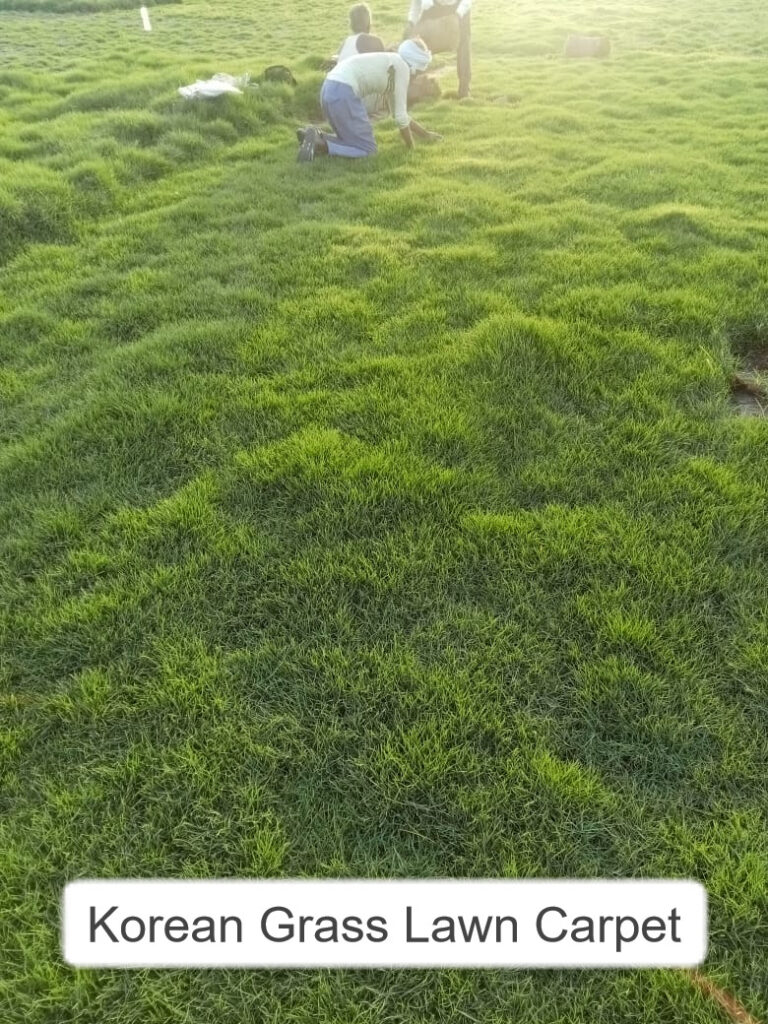
1. Zoysia Grass
Key Features
Thick and carpet-like
Soft texture
Green in summer, brown in winter
Pros
Very drought and heat-tolerant
Handles foot traffic well
Low watering needs
Cons
Slow to establish
May need dethatching

2. Bermuda Grass
Characteristics
Fine-bladed and fast-growing
Loves full sun
Maintenance Tips
Mow frequently to keep it tidy
Requires fertilizing during the growing season
✅ Great for high-traffic lawns like playgrounds and sports fields.
3. St. Augustine Grass
Ideal Growing Conditions
Prefers moderate shade and humidity
Needs well-drained soil
Benefits
Broad, flat blades
Grows quickly
Good disease resistance
It’s a go-to in Florida and Gulf Coast areas.
4. Centipede Grass
Low-Maintenance Option
Known as the “lazy man’s grass”
Needs minimal mowing
Where It Grows Best
Acidic soils
Southeastern U.S.
👍 Perfect for homeowners who want greenery without the hustle.
5. Bahia Grass
Durability in Hot Weather
Deep root system makes it drought-hardy
Great for sandy soils
Pros and Cons
Low-maintenance
Not as lush or dense as other grasses
Best for wide-open spaces or low-maintenance areas.

6. Carpet Grass
Best Uses
Shady or moist areas
Erosion-prone spots
Water Requirements
Needs regular water, but not excessive
Doesn’t like cold snaps
Ideal for areas with high rainfall.

Soil Preparation for Humid Zones
Hot, wet conditions can cause soil compaction and rot. Prep your lawn like a pro:
Loosen the soil before planting
Add organic compost to improve drainage
Avoid clay-heavy mixes unless amended
Better soil = stronger roots = greener grass.
Watering Tips for Humid Weather
Overwatering is a common mistake in humid zones. Here’s how to get it right:
Water deeply but infrequently
Aim for early mornings
Use mulch and shade around the lawn edges
💡 Bonus tip: Use a rain gauge or moisture meter to avoid soggy soil.
Fertilization and Lawn Care Schedule
Stick to a monthly care calendar tailored for hot weather:
Spring: Pre-emergent weed control and first feed
Summer: Fertilize and mow regularly
Fall: Apply potassium-rich feed
Winter: Limit activity and prep for spring growth
🚫 Don’t fertilize right before or after a heavy rain.
Common Issues in Hot and Humid Climates
Fungal Diseases
Brown patch, dollar spot, and rust
Avoid overwatering and improve airflow
Insect Pests
Chinch bugs, grubs, and sod webworms
Use natural predators or targeted treatments
Grass Burnout
Caused by high nitrogen, heat, and drought
Avoid over-fertilizing during peak heat
Lawn Maintenance Best Practices
Mowing Height
Keep warm-season grasses at 1.5 to 2.5 inches
Don’t cut more than 1/3 of the blade at once
Aeration and Dethatching
Aerate once a year to boost oxygen flow
Dethatch in late spring to prevent disease buildup
Eco-Friendly Lawn Alternatives
Clover Lawns
Nitrogen-fixing = less fertilizer needed
Stays green in tough conditions
Native Grasses
Adapted to the local climate
Lower water and chemical needs
🌿 Ideal for sustainable landscaping.
Final Thoughts
Choosing the best grass for your hot and humid yard isn’t about luck—it’s about strategy. Whether you go with tough-as-nails Bermuda or lush St. Augustine, the key is proper care and regular maintenance.
Start with one of the top contenders from this list, prep your soil like a champ, and don’t forget to water wisely. Your lawn will thank you with rich, vibrant greenery—even in the dog days of summer.
FAQs
Q1. What is the most drought-resistant grass for hot climates?
A: Bermuda and Zoysia grass are top picks for drought resistance.
Q2. Can I grow Kentucky bluegrass in a humid climate?
A: Not ideal—it prefers cooler regions and struggles with humidity.
Q3. How often should I water grass in hot, humid weather?
A: Once or twice a week, deeply. Avoid daily shallow watering.
Q4. What’s the easiest grass to maintain in humid zones?
A: Centipede grass—it grows slowly and needs minimal care.
Q5. How can I prevent fungal problems in humid weather?
A: Water early, avoid overwatering, and mow regularly to improve airflow.
Last Updated on 2 months ago by Anjali Mehra Ph.D. in Horticulture (Punjab Agricultural University)

Her expertise extends to every phase of natural lawn development—from soil preparation and irrigation planning to seasonal maintenance and eco-friendly pest management. Anjali has successfully managed more than 200 natural grass installation projects across Delhi NCR, including golf courses, farmhouse lawns, school campuses, corporate parks, and rooftop gardens.
At Balaji Nursery, she leads project strategy, natural grass selection, and customer education—ensuring that every lawn is designed to thrive under real-world environmental conditions. Her approach emphasizes sustainable landscaping, weed control, and the long-term health of natural turf systems.
Through her blog and advisory services, Anjali simplifies complex lawn care techniques, empowering homeowners, new gardeners, and professional landscapers with practical insights on growing and maintaining lush, resilient lawns using Indian-adapted grass species.
- Why Birds Dig Lawn Grass & How to Stop It Naturally - March 14, 2026
- Hotel Landscaping Grass Projects in J&K - March 10, 2026
- Lawn Grass Installation in Hilly Areas - March 5, 2026