 by Anjali Mehra Ph.D. in Horticulture (Punjab Agricultural University)
White Ants in Lawn Grass: Causes & Permanent Solution
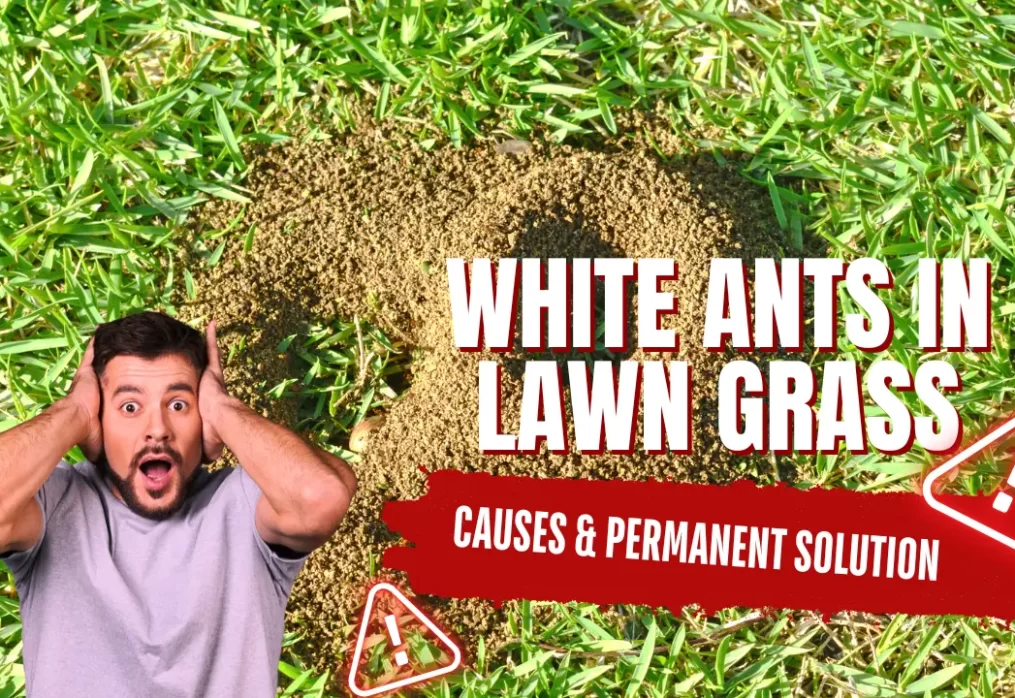
If your lawn grass looks green today and patchy tomorrow, don’t blame bad luck or “seasonal issues” too quickly. In most Indian lawns, the real culprit is white ants, commonly known as termites. They work silently under the soil, eat from below, and by the time you notice damage, half the roots are already gone.
This article solves four clear user intents:
- Problem: Why are white ants attacking my lawn grass?
- Solution: How do I remove termites permanently from soil?
- Comparison: Chemical vs organic termite treatment
- Price: What is the cost of termite treatment for lawns in India?
No confusion. No fluff.
What Are White Ants and Why Lawns Are Their Favourite?
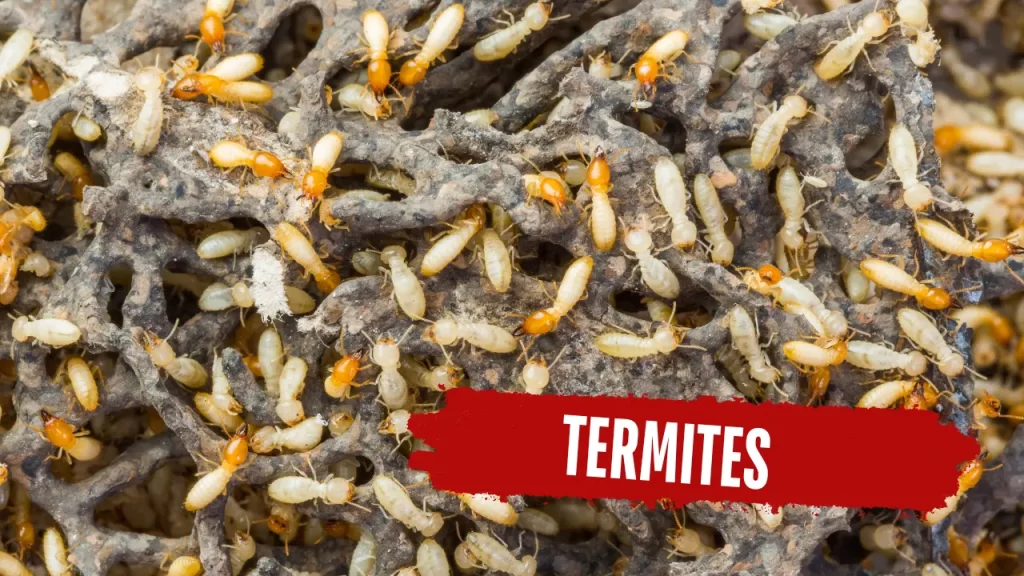
White ants are termites, not ants. Biologically, they belong to a different insect order and behave very differently.
Here’s the uncomfortable truth:
Termites do not eat grass leaves. They eat roots, organic matter, and cellulose in soil.
Lawns are ideal for them because:
- Soil stays moist
- Organic manure is present
- Grass roots form dense networks
- Disturbance is minimal after installation
From a termite’s point of view, your lawn is a luxury hotel with free food.
Early Signs of White Ants in Lawn Grass (Most People Miss These)
Most lawn owners notice the problem too late. Look for these early warnings:
- Random yellow patches despite proper watering
- Grass pulls out easily (no root resistance)
- Soil feels hollow or powdery below grass
- Mud tunnels near lawn edges or tiles
- Fast grass drying even in normal weather
If you see two or more signs, termites are already active underground.
Main Causes of White Ants in Lawn Grass (Indian Conditions)
1. Excess Organic Matter in Soil
In India, lawns often receive raw cow dung, half-decomposed FYM, or compost. Termites thrive on this.
Botanical fact: Termites digest cellulose using gut microbes. Organic-rich soil = buffet.
2. Improper Soil Treatment Before Lawn Installation
Many lawns are laid directly on:
- Old construction soil
- Brick debris
- Untreated garden soil
No pre-treatment = guaranteed termite risk.
3. Continuous Moisture + Poor Drainage
Indian lawns are often overwatered, especially in:
- Delhi NCR
- Punjab
- Haryana
- UP
- Coastal regions
Moist soil keeps termite colonies active year-round.
4. Wooden Borders, Bricks & Tree Stumps Nearby
Termites rarely start in grass. They usually come from:
- Wooden edging
- Old tree roots
- Underground debris
Grass becomes the next victim.
Lawn Grass Types More Vulnerable to White Ants
| Lawn Grass Type | Root Depth | Termite Risk | Indian Suitability |
|---|---|---|---|
| Korean Grass | Shallow–Medium | High | North & Central India |
| Doob / Bermuda | Deep | Medium | Pan India |
| Mexican Grass | Medium | Medium | Warm regions |
| Nilgiri Grass | Shallow | High | North India |
| Zoysia Matrella | Dense | Medium | Coastal & warm |
Important: Termites attack soil conditions, not grass species alone.
Why Surface Sprays Fail (Hard Truth)
Spraying phenyl, kerosene, or household insecticide on grass does nothing.
Why?
- Termites live 30–90 cm below soil
- Surface sprays never reach colonies
- You kill workers, not the queen
- Colony rebuilds within weeks
This is why people say, “White ants keep coming back.”
They were never removed.
Permanent Solution for White Ants in Lawn Grass (Scientifically Proven)
Step 1: Identify Infestation Zone
You must locate:
- Affected patches
- Lawn borders
- Nearby walls or trees
Blind treatment wastes money.
Step 2: Soil-Based Anti-Termite Treatment (Core Solution)
This is non-negotiable.
Use approved soil termiticides applied through:
- Soil drenching
- Injection method
- Root zone saturation
This targets:
- Workers
- Soldiers
- Queen (eventually)
Only soil treatment breaks the colony cycle.
Step 3: Remove Food Sources
- Stop raw manure use
- Remove buried wood or debris
- Improve soil aeration
Without food, colonies collapse faster.
Step 4: Lawn Recovery Treatment
Once termites are controlled:
- Root stimulators help regrowth
- Balanced nutrients repair damage
- Controlled irrigation prevents relapse
Grass recovers if roots survive.
Organic vs Chemical Termite Treatment (Honest Comparison)
| Factor | Organic Methods | Chemical Soil Treatment |
|---|---|---|
| Speed | Very slow | Fast |
| Effectiveness | Limited | High |
| Colony Elimination | No | Yes |
| Re-infestation Risk | High | Low |
| Lawn Safety | Safe | Safe when applied correctly |
| Indian Climate Suitability | Poor | Excellent |
Reality check: Organic methods help prevention, not active infestation.
Cost of White Ant Treatment for Lawn in India (2026 Estimate)
| Lawn Size | Treatment Type | Approx Cost (₹) |
|---|---|---|
| 500 sq ft | Soil treatment | 3,500 – 6,000 |
| 1,000 sq ft | Soil treatment | 6,000 – 10,000 |
| 2,000 sq ft | Professional service | 10,000 – 18,000 |
Prices vary based on:
- Soil condition
- Infestation depth
- City & climate
City & Climate Angle (Very Important)
- Delhi NCR / Punjab / Haryana: High risk due to alkaline soil
- Mumbai / Chennai: Moist soil increases termite activity
- Bangalore / Pune: Moderate risk, seasonal spikes
- Rajasthan: Lower risk but severe once established
Local soil behaviour matters more than grass type.
Common Myths About White Ants in Lawn Grass
- ❌ “Sunlight kills termites”
- ❌ “Weekly pesticide spray is enough”
- ❌ “New grass means no termites”
Truth hurts, but myths cost money.
When You Should Call a Professional Lawn Service
You need expert help if:
- Infestation keeps returning
- Large lawn area is affected
- Lawn is newly installed
- Termites are near building foundation
A professional lawn service uses soil-specific treatment, not guesswork.
👉 If the infestation keeps returning or affects a large lawn area, professional lawn grass installation and maintenance services ensure proper soil treatment, long-term protection, and healthy grass recovery.
FAQs – People Also Ask
What causes white ants in lawn grass?
Excess moisture, organic matter, untreated soil, and nearby wooden material cause termite infestation in lawns.
Can white ants destroy lawn grass completely?
Yes. They kill roots, leading to sudden grass death even when watering is regular.
Which is the best treatment for white ants in lawns?
Soil-based anti-termite treatment is the most effective and permanent solution.
Are white ants harmful to humans?
They do not bite humans but can damage lawns, trees, and even nearby structures.
How long does termite treatment last?
A proper soil treatment lasts 3–5 years, depending on soil and climate.
Final Word
White ants are not a lawn problem.
They are a soil ecosystem imbalance problem.
Once you treat soil correctly and maintain it scientifically, termites lose their power.
A healthy lawn is not about more water or more fertiliser.
It is about correct soil biology and prevention.
Last Updated on 2 months ago by Anjali Mehra Ph.D. in Horticulture (Punjab Agricultural University)

Her expertise extends to every phase of natural lawn development—from soil preparation and irrigation planning to seasonal maintenance and eco-friendly pest management. Anjali has successfully managed more than 200 natural grass installation projects across Delhi NCR, including golf courses, farmhouse lawns, school campuses, corporate parks, and rooftop gardens.
At Balaji Nursery, she leads project strategy, natural grass selection, and customer education—ensuring that every lawn is designed to thrive under real-world environmental conditions. Her approach emphasizes sustainable landscaping, weed control, and the long-term health of natural turf systems.
Through her blog and advisory services, Anjali simplifies complex lawn care techniques, empowering homeowners, new gardeners, and professional landscapers with practical insights on growing and maintaining lush, resilient lawns using Indian-adapted grass species.
- Why Birds Dig Lawn Grass & How to Stop It Naturally - March 14, 2026
- Hotel Landscaping Grass Projects in J&K - March 10, 2026
- Lawn Grass Installation in Hilly Areas - March 5, 2026