 by Balaji Nursery Editorial Team
Growing Tulsi from Seeds vs Cuttings (Step-by-Step)
Cuttings are better than seeds for growing Tulsi at home — faster (roots in 10–15 days vs 3–4 weeks for seeds), higher success rate, and identical to parent plant. Take a 4–6 inch stem cutting just below a node, remove lower leaves, and place in water or moist soil. Seeds work best for growing Tulsi in bulk or when cuttings are unavailable. Best time to grow Tulsi: February–March or August–September. Balaji Nursery supplies ready Tulsi plants pan-India — call 8766234417 to order.
To grow Tulsi from cuttings: 1) Cut a healthy 4–6 inch stem just below a node (joint). 2) Remove all leaves from the bottom half. 3) Place in a glass of water or moist coco peat. 4) Keep in bright indirect light — avoid direct sun until rooted. 5) Roots appear in 10–15 days in water, 15–20 days in soil. 6) Transfer to pot once roots are 1–2 inches long. Success rate with cuttings is 85–90%.
To grow Tulsi from seeds: 1) Collect dried manjari (Tulsi seeds) from a healthy plant or buy online. 2) Fill a tray with coco peat + compost mix. 3) Sprinkle seeds on surface — do not bury deep, just press lightly. 4) Mist with water and cover with plastic wrap to retain moisture. 5) Seeds germinate in 7–14 days in warm conditions. 6) Transplant seedlings to individual pots once they reach 3 inches height. Best sowing time: March–April.
Ram Tulsi (Ocimum sanctum) — most common, green leaves, easiest to grow, best for daily puja. Shyam Tulsi / Krishna Tulsi — dark purple leaves, stronger fragrance, considered most sacred. Vana Tulsi — wild variety, very hardy, grows in any condition. For home growing, Ram Tulsi is most recommended — widely available, fast growing, and thrives in Indian climate. Krishna Tulsi is harder to find but more medicinally potent.
The best time to grow Tulsi in India is February–March (spring — warm soil, longer days) or August–September (post-monsoon — warm and humid). Avoid growing in peak summer (May–June) — heat stress kills young seedlings before they establish. Avoid December–January in North India — cold temperatures slow germination and root development significantly. Tulsi grows fastest when temperature is between 20°C–35°C.
Tulsi (Ocimum tenuiflorum), also known as Holy Basil, is not just a plant in Indian homes—it is an emotion, a tradition, and a medicinal powerhouse. From Ayurveda to modern research, Tulsi holds a respected place.
Yet one common question keeps popping up among gardeners:
Should you grow Tulsi from seeds or from cuttings?
Both methods work well. Both have pros and cons. And no—one is not “right” and the other “wrong.” The correct method depends on your patience level, climate, and purpose.
Let’s break this down clearly, scientifically, and step-by-step—without myths, without exaggeration, and without confusing jargon.
certain traditional and scientific rules for keeping a Tulsi plant at home
Understanding Tulsi Plant Basics (Before You Start)
Tulsi is a fast-growing, warm-season perennial shrub in tropical climates like India. Botanically, it belongs to the Lamiaceae (mint) family, which explains its square stem and aromatic leaves.
Ideal Conditions for Tulsi Growth
- Temperature: 20°C–35°C
- Sunlight: 6–8 hours of direct sunlight
- Soil: Well-drained, slightly loamy soil
- Water: Moderate (overwatering kills roots)
According to ICAR and CSIR-NBRI studies, Tulsi grows best in warm, sunny, and moderately moist conditions.
(Source: CSIR-NBRI Medicinal Plants Database)
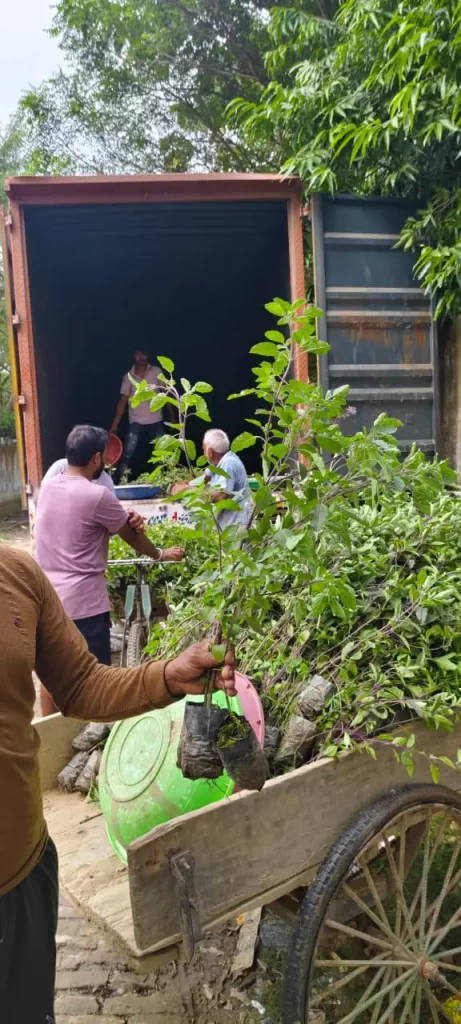
Method 1: Growing Tulsi from Seeds (Step-by-Step)
Growing Tulsi from seeds feels slow at first. But it gives you strong roots and long plant life.
Step 1: Choose Good Quality Tulsi Seeds
Always buy seeds from a trusted nursery or government-certified source. Old seeds lose viability fast.
Fresh Tulsi seeds show 70–85% germination rate under ideal conditions
(Source: Indian Journal of Agricultural Sciences)
Step 2: Prepare the Soil
Mix:
- 40% garden soil
- 30% compost or vermicompost
- 30% river sand or cocopeat
This mix ensures:
- Good drainage
- Proper aeration
- Healthy root development
Avoid heavy clay soil. Tulsi roots hate suffocation.
Step 3: Sow the Seeds Correctly
- Sprinkle seeds on the soil surface
- Do not bury them deeply
- Lightly press soil with fingers
- Spray water gently
Tulsi seeds need light to germinate. Deep sowing reduces success.
Step 4: Watering & Germination
- Keep soil moist, not wet
- Use a spray bottle
- Germination takes 7–14 days
If seeds don’t sprout in two weeks, don’t panic—check temperature and moisture.
Step 5: Transplanting Seedlings
When seedlings reach 3–4 inches, move them to a bigger pot or ground.
Handle roots gently. Tulsi dislikes rough treatment.
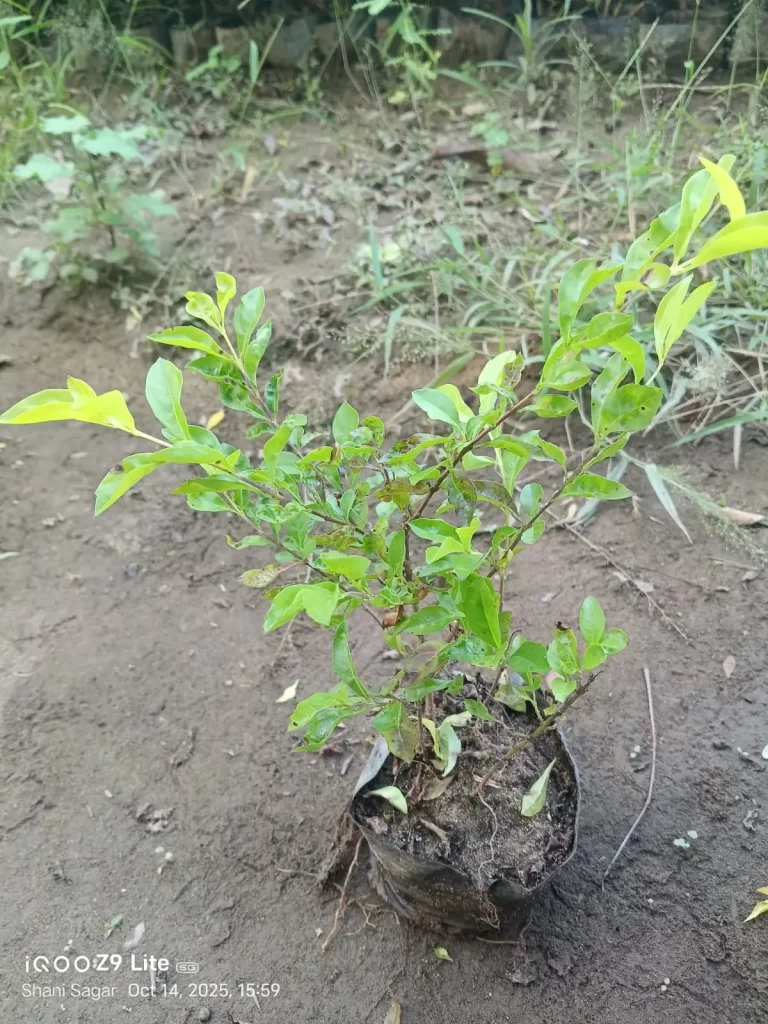
Pros of Growing Tulsi from Seeds
- Strong taproot system
- Longer plant lifespan
- Ideal for large gardens
- Cost-effective
Cons
- Slow initial growth
- Requires patience
- Needs careful watering in early stage
Method 2: Growing Tulsi from Cuttings (Step-by-Step)
If you want quick results, cuttings win the race.
Step 1: Select a Healthy Mother Plant
Choose a Tulsi plant that:
- Is disease-free
- Has soft green stems
- Is at least 2–3 months old
Avoid woody or flowering stems.
Step 2: Take the Cutting
- Cut 4–6 inches long stem
- Use clean scissors
- Remove leaves from bottom half
Leaves under soil rot and invite fungus.
Step 3: Rooting the Cutting (Two Ways)
Option A: Water Method
- Place cutting in clean water
- Keep in indirect sunlight
- Change water every 2 days
Roots appear in 7–10 days
Option B: Soil Method (Recommended)
- Plant cutting directly in moist soil
- Keep soil slightly damp
- Shade for first 5–7 days
Soil rooting produces stronger roots than water rooting
(Source: University of Florida IFAS Extension)
Step 4: Transplanting
Once roots reach 1–2 inches, move plant to final pot.
Do this during evening hours to reduce stress.
Pros of Growing Tulsi from Cuttings
- Faster growth
- High success rate
- Perfect for beginners
- Clone of parent plant
Cons
- Shorter lifespan
- Weaker root system
- Not ideal for long-term cultivation
Seeds vs Cuttings: Quick Comparison Table
| Factor | Seeds | Cuttings |
|---|---|---|
| Growth Speed | Slow | Fast |
| Root Strength | Strong | Moderate |
| Lifespan | Long | Shorter |
| Skill Required | Medium | Easy |
| Best For | Garden beds | Home pots |
Which Method Is Better for Indian Homes?
For Indian climate and daily puja use:
- Beginners: Cuttings
- Long-term plants: Seeds
- Balcony gardening: Cuttings
- Open garden: Seeds
Most Indian households actually use both methods without realizing it.
Common Mistakes People Make (And Regret Later)
Let’s save your Tulsi before it becomes another “plant that died mysteriously.”
1. Overwatering
Tulsi roots rot easily. Water only when top soil feels dry.
2. Keeping in Shade
Tulsi loves sun. No sunlight = weak aroma + slow growth.
3. Using Chemical Fertilizers
Too much nitrogen reduces medicinal compounds
(Source: Journal of Medicinal Plants Research)
Use organic compost instead.
best practices for maintaining a healthy Tulsi plant at home
Scientific Benefits of Growing Your Own Tulsi
Research confirms Tulsi contains:
- Eugenol
- Ursolic acid
- Rosmarinic acid
These compounds show:
- Anti-inflammatory properties
- Antioxidant activity
- Stress-modulating effects
(Source: National Center for Biotechnology Information – NCBI)
Fresh leaves retain higher active compounds than store-bought dried leaves.
How Long Does Tulsi Plant Live?
- From seeds: 2–3 years
- From cuttings: 8–12 months
Regular pruning increases lifespan and leaf yield.
Expert Recommendation (Botany Perspective)
From a botanical and practical view:
Grow Tulsi from seeds once. Then propagate future plants from cuttings.
This approach combines:
- Genetic strength
- Convenience
- Sustainability
Plants like Tulsi evolved to regenerate easily—nature already optimized the process.
People Also Ask About Growing Tulsi Plant
How long does it take to grow Tulsi from seeds?
Tulsi seeds usually germinate within 7–14 days under warm conditions. A healthy Tulsi plant takes around 6–8 weeks to grow strong leaves and about 3 months to become fully mature with proper sunlight, watering, and soil care.
Can we grow Tulsi from cuttings?
Yes, Tulsi can be grown from cuttings. A healthy stem cutting placed in water or moist soil develops roots within 10–15 days. Growing Tulsi from cuttings is faster than seeds and ensures the new plant retains the same qualities as the parent plant.
How to grow Tulsi plant faster from seeds?
To grow Tulsi faster from seeds, use loose, well-drained soil, keep the soil slightly moist, and place the pot in 5–6 hours of direct sunlight. Avoid overwatering and ensure warm temperatures for quicker germination and healthy growth.
तुलसी को बीज से उगाने में कितना समय लगता है?
तुलसी के बीज 7–14 दिनों में अंकुरित हो जाते हैं। सही धूप, पानी और मिट्टी मिलने पर तुलसी का पौधा लगभग 6–8 हफ्तों में अच्छी तरह बढ़ने लगता है और 3 महीनों में परिपक्व हो जाता है।
क्या हम कलमों से तुलसी उगा सकते हैं?
हाँ, तुलसी को कलमों से उगाया जा सकता है। स्वस्थ डंठल को पानी या नम मिट्टी में लगाने पर 10–15 दिनों में जड़ें निकल आती हैं। यह तरीका बीज की तुलना में तेज़ और अधिक भरोसेमंद होता है।
Frequently Asked Questions
Can Tulsi grow indoors?
Yes, but only near a sunny window.
Does Tulsi need daily watering?
No. Overwatering kills more Tulsi plants than neglect.
Which Tulsi variety is best?
Krishna Tulsi and Rama Tulsi both grow well in Indian climates.
Final Verdict: Seeds or Cuttings?
There is no rivalry here—only purpose.
- Seeds build foundations
- Cuttings save time
Choose based on your goal, space, and patience.
Tulsi rewards care, not shortcuts.
Grow it with respect—and it will thrive.
Last Updated on 4 months ago by Balaji Nursery Editorial Team

- How do you pick the right planter size so your plant actually thrives? - October 10, 2026
- Tulsi Plant Direction as per Vastu: Where to Keep It at Home - October 3, 2026
- Which garden planter is right for your home, balcony or terrace? - October 1, 2026