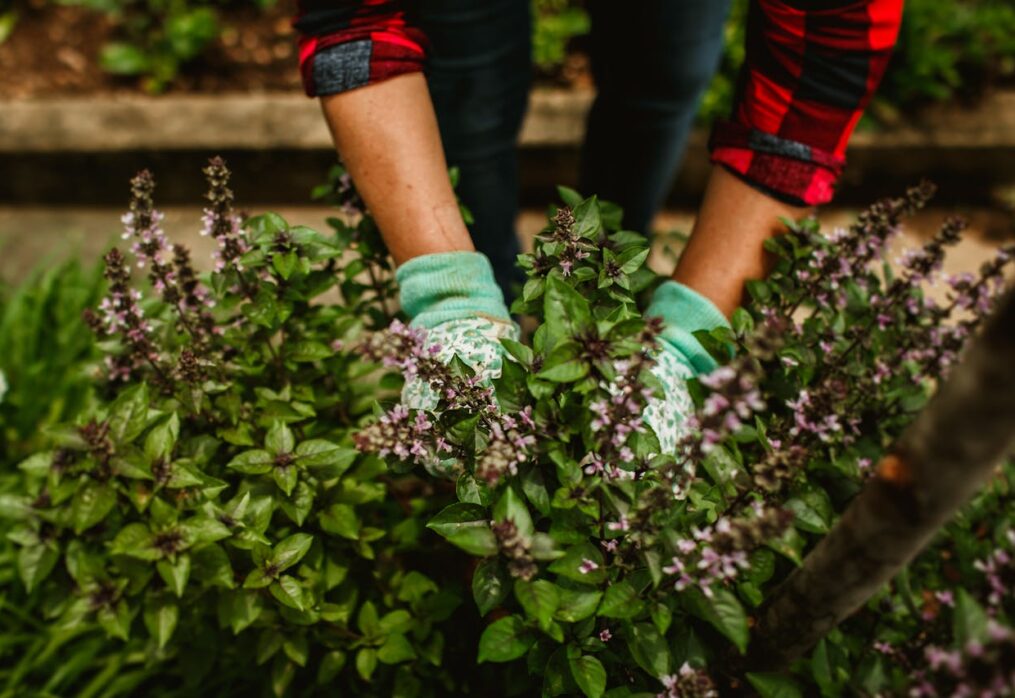
 by Balaji Nursery Editorial Team
Best practices for maintaining tulsi at home
Best practices for maintaining Tulsi at home: 1) Place in East or North direction with 4–6 hours morning sunlight. 2) Water daily in summer, every 2 days in winter — never overwater. 3) Pinch off flower buds (manjari) regularly to keep plant bushy. 4) Feed with cow dung compost or jeevamrit once a month. 5) Keep pot elevated — never place directly on ground as per Vastu. 6) Repot every year in February–March. Balaji Nursery supplies healthy Tulsi plants pan-India — call 8766234417.
As per Vastu Shastra, Tulsi should be placed in the North, East, or Northeast direction of your home. Keep Tulsi on a raised platform (Tulsi Chaura) — never directly on the floor. Avoid South, Southwest, or near bathroom placement. Do not keep Tulsi near cactus or thorny plants. The plant should always be clean and healthy — a dying Tulsi plant at home is considered inauspicious as per Vastu.
Tulsi dies frequently due to overwatering, insufficient sunlight, or wrong soil. Most common reasons: waterlogged roots causing root rot, less than 4 hours of sunlight, heavy clay soil with no drainage, or keeping indoors in AC rooms (Tulsi needs fresh air). Fix: use terracotta pot with drainage holes, water only when top soil feels dry, and place in open balcony or garden with morning sun. Avoid keeping Tulsi in fully enclosed spaces.
Cow dung compost (gobar khad) is the best and most traditional fertilizer for Tulsi — apply a handful around the base once a month. Jeevamrit (fermented cow dung liquid) diluted in water is also excellent. For faster growth, use vermicompost mixed into soil at repotting time. Avoid chemical fertilizers for Tulsi — they are considered inappropriate for a sacred plant and can burn sensitive roots.
Tulsi struggles in North Indian winters (Delhi, UP, Punjab) when temperature drops below 10°C. To protect Tulsi in winter: 1) Reduce watering to once every 3–4 days. 2) Move pot to a sunny south-facing spot to maximize warmth. 3) Cover with a light cloth on cold nights below 8°C. 4) Avoid fertilizing in December–January. Most Tulsi plants go semi-dormant in winter and revive naturally in February–March with warm weather.
Caring for a tulsi plant at home is both simple and rewarding when you follow the right approach. For beginners, understanding the best soil and water conditions for tulsi is essential; the plant thrives in well-draining soil and requires moderate watering to avoid waterlogging. If you’re wondering how to grow tulsi in pots, ensure the pots have proper drainage and place them where they can get ample sunlight, as sunlight requirements for tulsi plants are high for healthy growth. Tips for growing tulsi indoors include positioning it near a sunny window and maintaining consistent moisture levels in the soil. An effective tulsi plant maintenance guide will also address common problems such as yellowing leaves, which can often be solved by adjusting watering habits or adding organic compost. For a healthy and green plant, focus on organic ways to nurture tulsi, such as using natural fertilizers. Whether indoors or outdoors, these tulsi plant care tips for beginners will ensure your plant thrives.
Introduction
Tulsi, often referred to as “Holy Basil,” holds a sacred place in Indian households. Whether it’s for religious ceremonies, medicinal uses, or its ability to purify the air, Tulsi is cherished in almost every home. But are you giving your Tulsi plant the care it deserves? Let’s dive into the best practices for maintaining a healthy, thriving Tulsi plant at home.
Choosing the Right Tulsi Variety
Common Types of Tulsi
- Rama Tulsi: Known for its green leaves and mild taste.
- Krishna Tulsi: Famous for its purple leaves and stronger aroma.
- Vana Tulsi: A wild variety with larger leaves and a robust growth pattern.
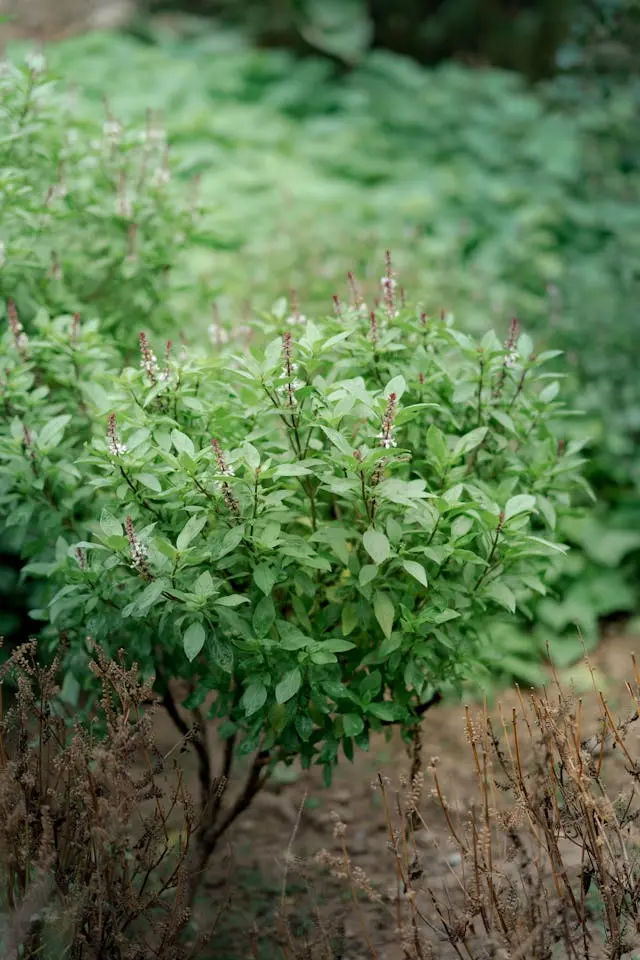
Selecting the Best Variety for Your Needs
Each type of Tulsi has unique characteristics. Choose the one that aligns with your preferences for taste, aroma, and purpose.
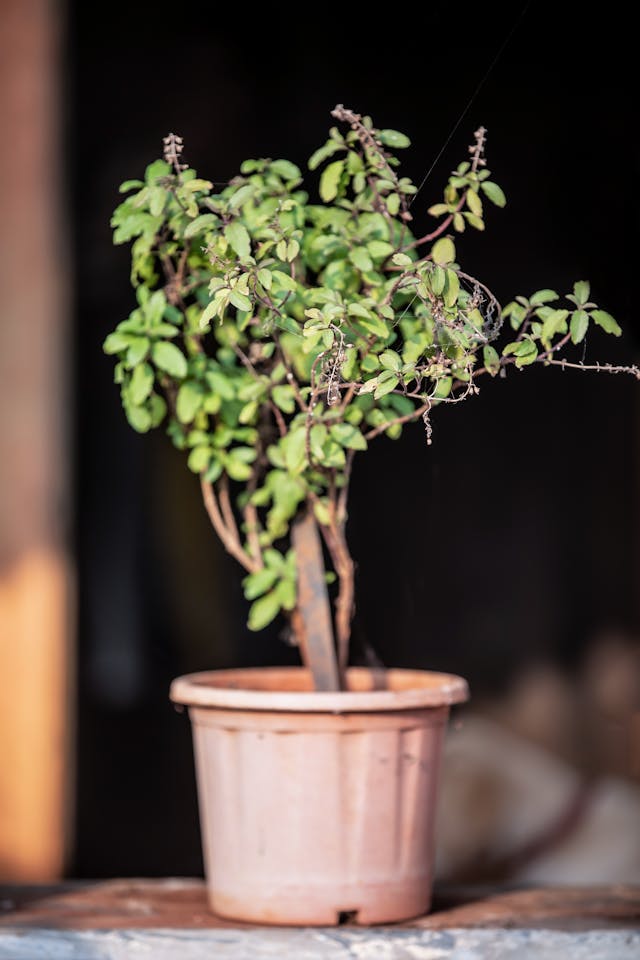
Preparing to Grow Tulsi – Maintaining Tulsi at home
Choosing the Right Pot
The pot should be at least 6-8 inches deep with proper drainage holes. Clay or terracotta pots work best as they allow the soil to breathe.
Best Soil for Tulsi
Tulsi thrives in well-draining, nutrient-rich soil. A mix of garden soil, sand, and compost works perfectly.
Location and Sunlight
Tulsi loves sunlight. Place the pot in a location that receives at least 4-6 hours of direct sunlight daily.
You Might Also Like – Rules to follow when having a Tulsi plant at home
Planting Tulsi
From Seeds
- Soak the seeds in water overnight.
- Sow them 1/4 inch deep in moist soil.
- Keep the soil consistently moist but not soggy.
From Cuttings
- Take a healthy stem cutting with 4-6 inches length.
- Remove the lower leaves and plant it in moist soil.
- Cover it with a plastic bag to retain humidity until roots develop.
Daily Care Tips
Watering Practices
Avoid overwatering. Water the plant when the topsoil feels dry to touch. Early morning watering is ideal.
Pruning and Trimming
Prune the plant regularly to encourage bushier growth and remove dead or yellow leaves.
Fertilizing Tulsi
Feed your Tulsi with organic compost or a diluted cow dung solution every 2-3 weeks.
Protecting Tulsi from Pests and Diseases
Common Pests
Aphids and spider mites are common culprits. Use neem oil spray to deter them naturally.
Preventing Fungal Infections
Ensure good airflow around the plant and avoid overwatering to keep fungal diseases at bay.
Seasonal Care for Tulsi
Summer Care
Place the plant in a semi-shaded area during peak summer to prevent leaf burn.
Winter Care
Move the pot indoors or cover the plant during frosty nights to protect it from cold damage.
Spiritual and Medicinal Uses
Importance in Rituals
Tulsi is considered sacred in Hindu culture and is often worshipped daily.
Medicinal Properties
Tulsi leaves are packed with antioxidants and are known to boost immunity, relieve stress, and aid digestion.
Common Mistakes to Avoid
- Avoid overwatering, which can lead to root rot.
- Use well-draining soil; heavy soils retain water and harm the roots.
Conclusion
Growing Tulsi at home is a rewarding experience. By following these best practices, you can ensure your plant remains healthy and vibrant, enriching your home with its spiritual and medicinal benefits.
FAQs
- How often should I water my Tulsi plant?
Water only when the topsoil feels dry—usually 2-3 times a week. - Can Tulsi grow indoors?
Yes, as long as it gets ample sunlight or artificial grow light. - What type of fertilizer is best for Tulsi?
Organic compost or diluted cow dung solution works best. - Why are my Tulsi leaves turning yellow?
Yellowing could indicate overwatering, lack of sunlight, or nutrient deficiency. - How do I use Tulsi for medicinal purposes?
Boil a few leaves in water to make a soothing herbal tea or chew raw leaves for immunity.
This article is part of our complete Tulsi plant care guide.
Last Updated on 4 months ago by Balaji Nursery Editorial Team

- How do you pick the right planter size so your plant actually thrives? - October 10, 2026
- Tulsi Plant Direction as per Vastu: Where to Keep It at Home - October 3, 2026
- Which garden planter is right for your home, balcony or terrace? - October 1, 2026