 by Balaji Nursery Editorial Team
Can vetiver grass really stop soil from washing away?
Every monsoon, India loses millions of tonnes of topsoil. Rivers eat into farmland. Slopes collapse after heavy rain. Roads crack because the ground underneath shifted.
And the fix? A grass. Sounds too simple, right?
But vetiver for erosion control has been used for decades. Governments, farmers and engineers trust it. The World Bank backs it. Over 100 countries plant it for this exact reason.
So how does a simple grass do what concrete walls sometimes can’t? That’s what this guide is about.
How does vetiver grass actually hold the soil?
It all comes down to the roots.
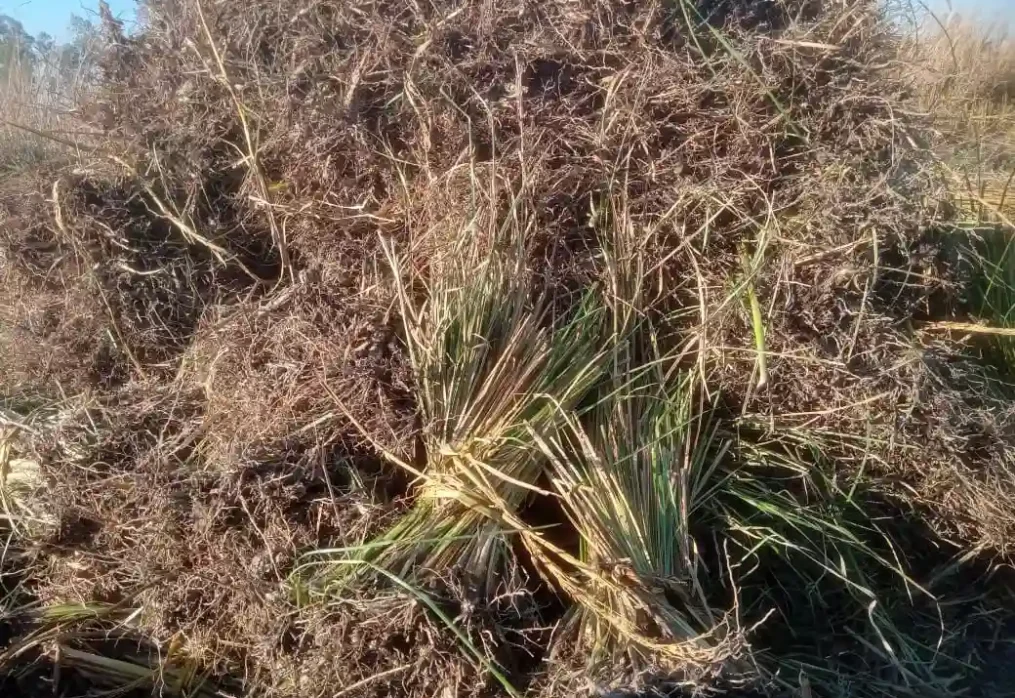
Most grasses have roots that go 20 to 30 cm deep. Vetiver roots go 3 to 4 metres straight down. That’s deeper than most small trees. Because of this, the roots create a living wall underground.
When rain falls on a slope, water rushes downhill and takes soil with it. But when vetiver is planted in rows across that slope, two things happen. First, the thick leaves slow down the water. Second, the deep roots grip the soil so tightly that it can’t move.
The result? Within one monsoon season, erosion drops by 70 to 90%. That number comes from real field trials, not lab tests. If you’re working on a slope, understanding grass installation in hilly areas will give you a practical starting point.
Where is vetiver for erosion control used in India?
Pretty much everywhere soil moves.
Riverbanks are the most common. Farmers along the Ganga, Yamuna and Brahmaputra have been losing land for generations. Vetiver hedges along the bank edge slow down the river’s pull on the soil. Some farmers in Bihar and UP have reclaimed land they thought was gone for good.
Highway embankments are another big one. NHAI and state highway departments plant vetiver along road slopes. It’s cheaper than stone pitching and lasts longer because it grows back on its own.
Railway cuttings, canal banks and dam spillways also use it. The Indian government’s watershed management programs include vetiver as a standard tool.
Even public parks and government green projects are now combining vetiver with lawn grass to manage both drainage and soil stability.
Why do engineers prefer vetiver over concrete for slopes?
Cost. A concrete retaining wall on a 100 metre slope can cost lakhs. Vetiver for the same stretch costs a fraction of that.
But cost alone doesn’t explain the preference. Concrete cracks over time. Tree roots can damage it. And when it fails, you have to rebuild the whole thing.
Vetiver repairs itself. If a section gets damaged by a landslide or flood, new shoots grow from the surviving roots within weeks. You don’t need to call a contractor.
There’s also the drainage factor. Concrete blocks water flow and creates pressure behind the wall. Vetiver lets water pass through the hedge slowly, filtering out sediment but allowing drainage. So the slope stays stable instead of building up water pressure.
How do you plant vetiver for slope stabilization?

The method is simple. You plant vetiver slips (small root cuttings) in rows across the slope. Each row is called a hedge.
Space the slips about 10 to 15 cm apart within a row. Keep rows about 1 to 1.5 metres apart on gentle slopes. For steep slopes, bring the rows closer (50 cm to 1 metre).
Plant at the start of monsoon. June and July are ideal because the rain helps the roots settle fast. Dig a small trench along the contour of the slope, place the slips and firm the soil around them.
Water daily for the first 2 weeks if there’s no rain. After that, the monsoon takes care of everything. Within 3 months, the hedge fills in completely.
Before planting, test your soil. Different soil types hold water differently and that affects spacing. This guide on which soil works best for grass can help you figure out your soil’s needs.
What happens to the slope after vetiver is established?
Quite a lot, actually.
The first thing you’ll notice is that the soil behind each vetiver row starts building up. Sediment that would have washed away gets trapped. Over 2 to 3 years, natural terraces form. The slope gradually becomes flatter and more stable.
Other plants start growing between the vetiver rows. Seeds that would have washed away earlier now have soil to germinate in. Grass, small shrubs and even tree seedlings take root. The whole slope slowly turns into a self sustaining ecosystem.
Earthworms and soil organisms return because the organic matter increases. Soil fertility improves. Farmers on sloped land have reported better crop yields in fields protected by vetiver hedges.
Does vetiver work in dry areas or only during monsoon?
Both. And that’s what makes it special.
In monsoon, it handles the water. In summer, the deep roots pull moisture from far underground and keep the plant alive. So it holds the soil year round.
Rajasthan, Gujarat and parts of Maharashtra have dry conditions for 8 to 9 months a year. Vetiver survives all of it. Once established, it doesn’t need irrigation. The roots just go deeper to find water.
Even in drought conditions, the roots stay alive underground. The leaves might turn brown and dry, but the moment rain arrives, new green shoots appear within days.
How much does a vetiver erosion control project cost?
Balaji Nursery supplies vetiver slips starting at Rs 0.80 per slip (Gulabi variety) going up to Rs 3 per slip (Dharini). Popular varieties like G22, KS1 and Simriddhi cost Rs 1 per slip. You need about 6 to 10 slips per running metre. So material cost comes to roughly Rs 5 to Rs 30 per metre of hedge.
Add labour for planting and the total stays well under Rs 100 per metre for most projects. Minimum order is 1,00,000 slips, which covers a serious stretch of land.
Compare that to stone pitching or concrete walls that can cost Rs 500 to Rs 2,000 per metre. The savings are massive, especially on long stretches.
Balaji Nursery has a production capacity of over 1,000 crore slips and delivers within 1 to 3 days. They carry 9 vetiver varieties including G22, KS1, Simriddhi, Dharini, ODV 3, CIM Vetiver, Gulabi, Kesari and Monto. Each one suits a different use, from oil production to soil conservation. Call 8766234417 to check availability and get a bulk quote.
What mistakes should you avoid when using vetiver for erosion?
Planting in straight lines down the slope instead of across it. The hedges must follow the contour (horizontal lines across the slope) to catch water and soil. Vertical rows do nothing.
Using too few slips per metre. Thin hedges leave gaps and water flows right through. Pack them tight, 10 cm apart minimum.
Planting too late in the season. If you plant in September or October, the monsoon is ending and roots don’t get enough moisture to establish. June is ideal.
Ignoring the first 3 weeks. Young vetiver slips need consistent moisture. If there’s a dry spell right after planting, water them by hand.
Can vetiver also clean contaminated soil and water?
This is something most people don’t expect from a grass. Vetiver roots absorb heavy metals like lead, cadmium and arsenic from the soil. Research at IIT Kanpur and several agricultural universities has confirmed this. That makes vetiver useful near industrial zones, mining areas and waste dumps. Because of these natural grass benefits, some municipal bodies now use vetiver beds to filter grey water from housing colonies before it reaches rivers.
Textile factories in Tamil Nadu have used vetiver beds to treat dye contaminated water. The roots break down organic pollutants and trap heavy metals. After 6 months, water passing through a vetiver bed tested clean enough for irrigation.
So vetiver doesn’t just hold soil. It can actually heal it. That’s rare for any plant, let alone a grass you can grow for under Rs 10 per slip.
So where do you start with vetiver for erosion control?
Pick your problem area. Measure the slope length. Calculate how many slips you need (6 to 10 per metre, rows every 1 to 1.5 metres).
Then get fresh, healthy slips from a trusted grower. Balaji Nursery supplies vetiver across India, from small garden orders to large scale government projects. Get a free quote today and start protecting your soil before the next monsoon hits.
Last Updated on 2 months ago by Balaji Nursery Editorial Team

- How do you pick the right planter size so your plant actually thrives? - October 10, 2026
- Tulsi Plant Direction as per Vastu: Where to Keep It at Home - October 3, 2026
- Which garden planter is right for your home, balcony or terrace? - October 1, 2026