 by Balaji Nursery Editorial Team
How Long Does Lawn Grass Last After Installation? (2026 Expert Guide)
A newly installed lawn instantly upgrades any outdoor space—whether it’s a home, commercial property, farmhouse, or society garden. But one practical question almost every property owner asks is:
How long does lawn grass last after installation?
The short answer:
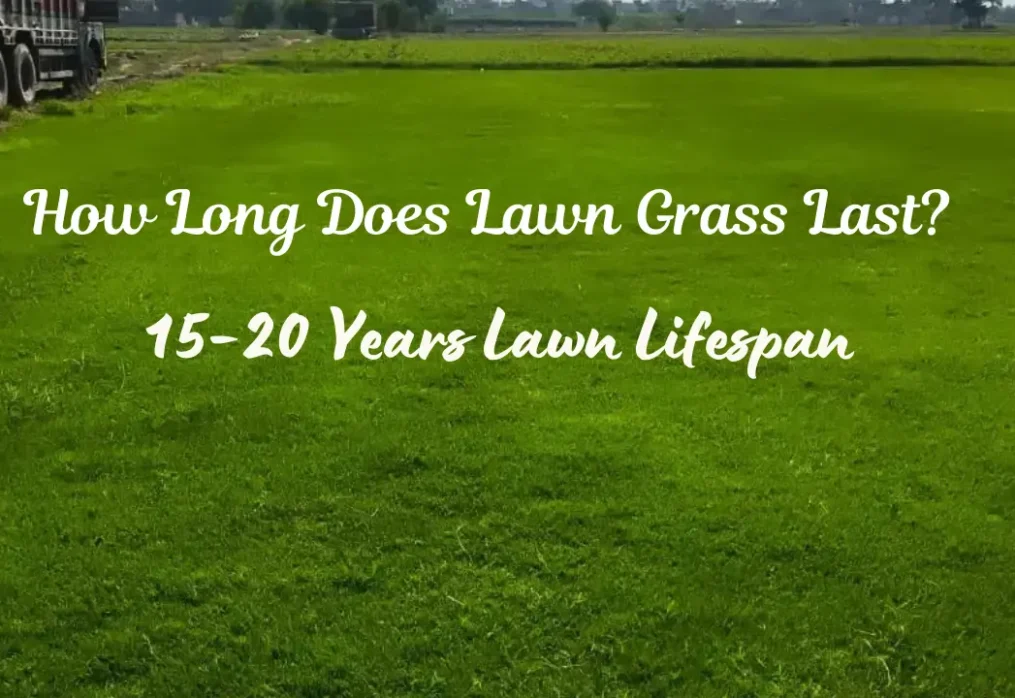
👉 15–20 years or more—and in many cases, indefinitely—if installed correctly and maintained properly.
Grass does not “expire.” Its lifespan depends on soil health, grass variety, climate compatibility, and ongoing care. Below is a complete, expert-level breakdown to help you understand what really determines lawn longevity and how to maximize it.
Search Intent: Informational (with Practical Decision Support)
This guide is written for:
- Homeowners planning lawn installation
- Builders & developers
- Facility managers
- Landscaping buyers are comparing long-term value
Understanding Lawn Grass Lifespan After Installation
Lawn grass is a living, regenerating plant, not a fixed-life product.
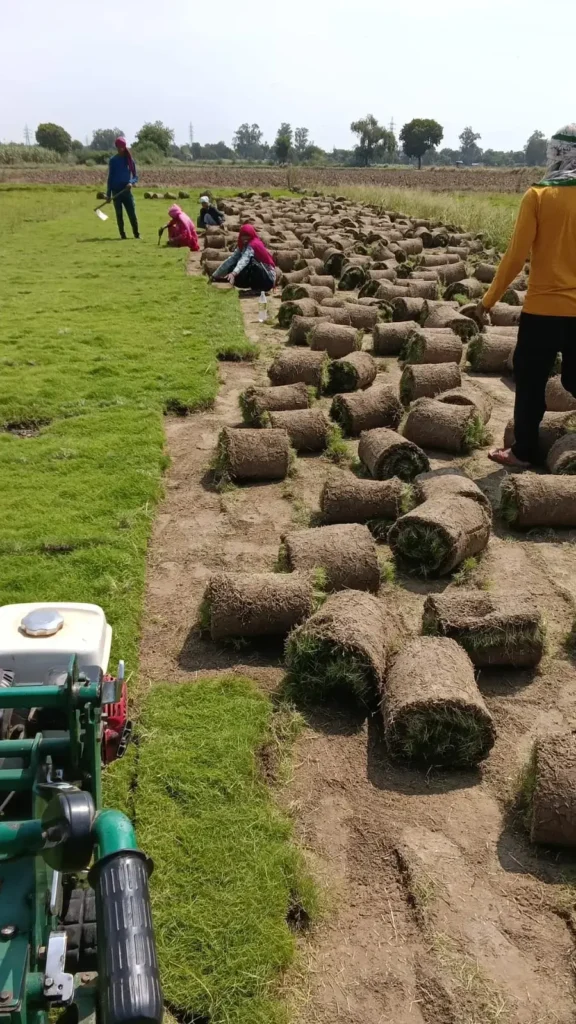
After installation (via sod or seed):
- Root anchoring: 2–4 weeks
- Full establishment: 6–8 weeks
- Peak performance: 5–10 years
- Total lifespan: 15–20+ years with proper care
In professionally maintained properties, lawns often last several decades without replacement, only requiring routine renovation like aeration or overseeding.
Sod vs Seed: Does Installation Method Affect Longevity?
| Factor | Sod (Turf Rolls) | Seeded Lawn |
|---|---|---|
| Initial results | Instant | Slow (4–8 weeks) |
| Root establishment | Faster | Slower |
| Weed risk | Low | Medium–High |
| Long-term lifespan | Equal if maintained | Equal if maintained |
📌 Expert insight:
Sod gives faster results, but long-term lifespan depends on care—not method.
Key Factors That Decide How Long Lawn Grass Lasts
1. Soil Preparation (Most Critical Factor)
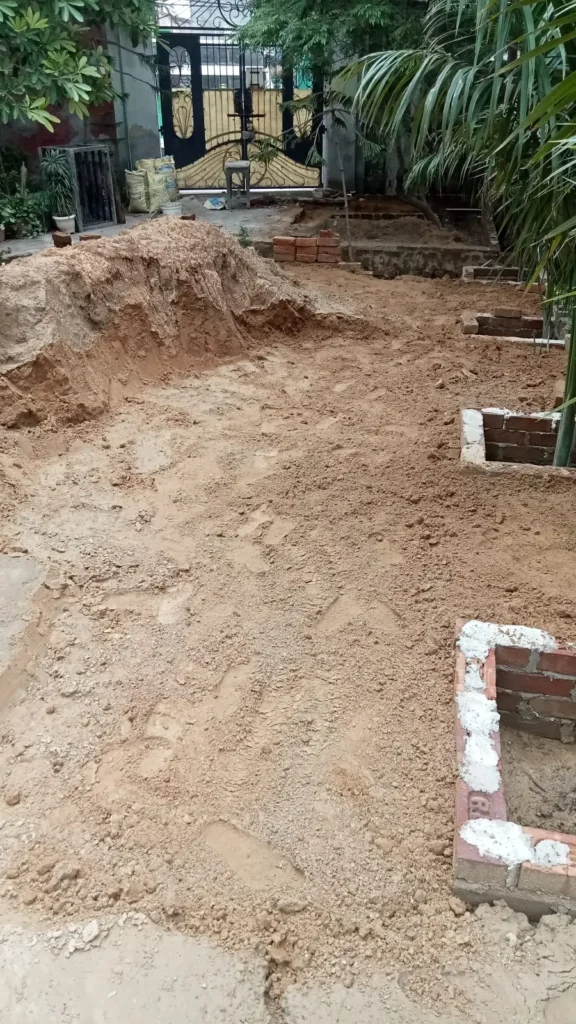
Long-lasting lawns are built from the soil up.
Essential soil conditions:
- Well-drained structure
- Levelled surface
- Debris-free base
- Organic compost or enriched topsoil
- pH between 6.0–7.0
❌ Poor soil prep = shallow roots = early lawn failure.
2. Grass Variety Selection
Different grasses have different durability profiles.
| Grass Type | Average Lifespan | Suitability |
|---|---|---|
| Bermuda Grass | 15–20+ years | High traffic, hot climates |
| Korean Grass (Zoysia) | 15+ years | Residential & commercial |
| Carpet Grass | 10–15 years | Decorative lawns |
| Nilgiri Grass | 8–12 years | Cooler regions, high care |
👉 Wrong grass in the wrong climate is the fastest way to shorten lawn life.
3. Climate & Environmental Compatibility
Grass longevity drops sharply when the climate is ignored.
- Warm-season grass performs best in hot regions
- Poor drainage + heavy rainfall = root rot
- Drought without irrigation = thinning
- Frost exposure for warm grass = damage
Climate-matched grass survives seasonal stress for decades.
4. Watering Practices After Installation
Watering mistakes are the #1 reason lawns fail early.
After installation
- Daily watering for 10–14 days
- Soil moist, not flooded
After establishment
- Deep watering 2–3 times/week
- Avoid shallow daily watering
⚠️ Overwatering causes fungal disease. Underwatering weakens roots.
5. Maintenance Quality Over Time
A lawn survives as long as its care continues.
Core maintenance practices:
- Proper mowing height
- Seasonal fertilization
- Annual aeration
- Weed & pest control
- Drainage monitoring
📌 Experience-based insight:
A basic, consistent routine beats aggressive, irregular care every time.
How Long Does Sod Grass Last Specifically?
Sod grass does not have a fixed lifespan.
Typical timeline:
- Root bonding: 10–14 days
- Full integration: 4–6 weeks
- Peak density: 3–5 years
- Total lifespan: 15–20+ years
With soil care and overseeding, sod lawns rarely need replacement.
Signs Your Lawn Is Declining (Not Dying)
These signs indicate correctable issues, not lawn failure:
- Thinning patches
- Yellowing or browning
- Weed takeover
- Compacted soil
- Uneven surface
Most issues are resolved with:
- Aeration
- Fertilization
- Overseeding
- Soil treatment
How to Make Lawn Grass Last Longer (Proven Methods)
1. Follow Seasonal Fertilization
- Nitrogen during active growth
- Balanced NPK annually
- Organic compost once a year
2. Aerate Once a Year
Aeration:
- Reduces compaction
- Improves oxygen flow
- Extends root lifespan
3. Maintain Correct Mowing Height
Never remove more than 30% of blade length.
Recommended:
- Bermuda: 1–1.5 inches
- Zoysia: 1–2 inches
4. Ensure Proper Drainage
Standing water damages roots quickly. Proper grading is essential for long life.
Can Lawn Grass Last Forever?
Technically, yes.
Grass is perennial. As long as:
- Soil remains healthy
- Grass suits the climate
- Maintenance continues
Replacement is unnecessary.
Full renovation is only needed when:
- Soil is severely damaged
- Drainage completely fails
- Wrong grass was installed originally
Realistic Lawn Survival Timeline
- Weeks 1–2: Root anchoring
- Weeks 3–4: Light mowing
- Month 2–3: Fully established
- Year 1: Strong root system
- Years 5–10: Peak performance
- 15+ years: Continued use with care
Common Mistakes That Reduce Lawn Lifespan
- Overwatering
- Scalping during mowing
- Ignoring soil testing
- Skipping fertilization
- Letting weeds spread
- Heavy traffic without recovery
Avoid these, and lawn life increases dramatically.
Professional Installation vs DIY: Lifespan Impact
Professionally installed lawns last longer because:
- Soil grading is correct
- Grass quality is consistent
- Root contact is optimized
- Irrigation is planned properly
DIY errors often cause weak rooting and early decline.
Does Heavy Foot Traffic Reduce Lawn Life?
Yes—but it’s manageable.
Solutions:
- Use stepping stones
- Rotate activity zones
- Aerate compacted areas
- Repair damaged patches early
High-traffic lawns can still last many years with proactive care.
Final Verdict: How Long Does Lawn Grass Last After Installation?
15–20 years or more—and often indefinitely.
Time does not kill lawns.
Neglect does.
With correct grass selection, proper soil preparation, and consistent maintenance, lawn grass becomes a permanent landscape asset, not a recurring expense.
FAQs
1. How many years does lawn grass usually last?
With proper installation and maintenance, lawn grass typically lasts 15–20 years or more, and in many cases, it continues growing indefinitely.
2. Does lawn grass need replacement after a few years?
No. Lawns do not need replacement unless soil health is damaged, drainage fails, or the wrong grass variety was installed.
3. How long does sod grass survive?
Sod grass establishes within 4–6 weeks and can last 15–20+ years with correct watering, mowing, and fertilization.
4. What shortens lawn grass lifespan the most?
Overwatering, poor soil preparation, cutting grass too short, and ignoring weeds are the most common causes of early lawn failure.
5. Can lawn grass last a lifetime?
Yes. Grass is perennial and can last indefinitely if soil remains healthy and routine maintenance is followed.
6. Is professional lawn installation worth it?
Yes. Professional installation significantly increases lawn lifespan by ensuring proper soil grading, drainage, and root establishment.
Last Updated on 8 months ago by Balaji Nursery Editorial Team

- Which lawn grass survives Bihar’s heat, monsoon and soil conditions? - October 16, 2026
- How do you pick the right planter size so your plant actually thrives? - October 10, 2026
- Tulsi Plant Direction as per Vastu: Where to Keep It at Home - October 3, 2026