 by Balaji Nursery Editorial Team
Which organic manure actually makes your lawn grass grow thicker?
Your lawn looks patchy. The colour is off. New grass isn’t filling in the way you expected.
Nine times out of ten, the problem is the soil, not the grass. And the fix isn’t a chemical fertilizer that burns the roots if you over apply. It’s organic manure.
But which one? Walk into any garden store and you’ll see bags labelled vermicompost, FYM, cow dung manure, bone meal, neem cake. All claiming to be the best thing for your lawn.
This guide cuts through the noise. We’ll cover what each type of organic manure does for lawn grass, how much to use, when to apply it and what it costs. Real rates from Balaji Nursery, so you can plan your budget before you order.
Why does lawn grass need organic manure in the first place?
Lawn grass is not a forest. It doesn’t drop leaves that rot and feed the soil back. You mow it, you rake it, you remove the clippings. Every cut takes nutrients out of the cycle.
Over time, the soil underneath your lawn gets depleted. It becomes hard and compacted. Water runs off instead of soaking in. Roots can’t spread. The grass thins out.
Organic manure fixes this by doing three things that chemical fertilizers can’t.
First, it adds organic matter. This loosens compacted soil, improves drainage in clay soils and increases water retention in sandy soils. The physical structure of the soil changes for the better.
Second, it feeds soil microbes. Healthy soil is alive with bacteria, fungi and earthworms that break down nutrients into forms grass roots can absorb. Chemical fertilizers bypass these organisms. Organic manure feeds them.
Third, it releases nutrients slowly. Instead of a sharp spike followed by nothing (which is how synthetic fertilizers work), organic manure delivers a steady stream of nitrogen, phosphorus and potassium over weeks and months. This gives you consistent colour and growth instead of a green burst followed by yellowing.
If your soil type is heavy clay or poor draining, organic manure becomes even more important because it’s the only way to improve the soil structure long term.
What are the main types of organic manure for lawns?
Three types cover 90% of what Indian lawns need. Each one works differently.
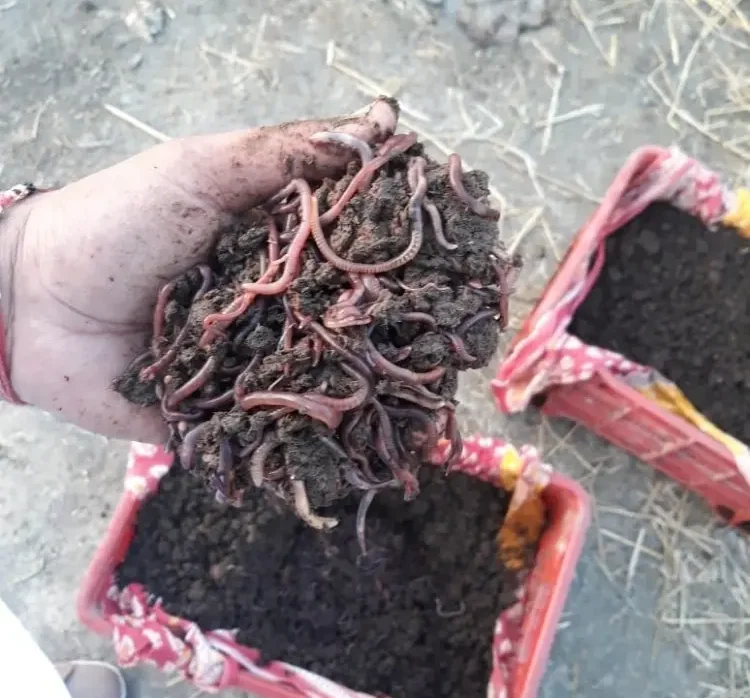
Vermicompost is organic waste broken down by earthworms. The worms eat kitchen scraps, farm waste and other organic matter and turn it into dark, crumbly, odourless castings. These castings are packed with micronutrients, beneficial bacteria and enzymes. Microbial activity in vermicompost is 10 to 20 times higher than in regular soil. It improves soil aeration, root growth and nutrient uptake faster than any other organic option.
FYM (Farm Yard Manure) is a mix of animal dung (usually cattle), urine, bedding material and leftover fodder that has been composted together over several months. It’s bulkier than vermicompost and adds more raw organic matter to the soil. FYM is excellent for improving soil structure in new lawns where the topsoil is poor or thin. It’s been used in Indian agriculture for centuries and works reliably on all grass types.
Cow Dung Manure is decomposed cow dung, processed and dried. It’s richer in nitrogen than raw dung and safer to apply directly because the composting process kills weed seeds and pathogens. Cow dung manure is the most commonly available organic fertilizer in rural and semi urban India. Many lawn owners use it as a top dressing between regular vermicompost applications because it’s affordable and effective.
How much organic manure does your lawn need?
This depends on whether you’re preparing soil for a new lawn or feeding an existing one.
For new lawn preparation: Mix 4 to 5 kg of vermicompost or FYM per square metre into the top 10 to 15 cm of soil before laying grass. This gives the roots a nutrient rich bed to grow into from day one. For a 1,000 sq ft lawn, that’s roughly 400 to 500 kg of manure.
For existing lawns (top dressing): Apply 1 to 2 kg of vermicompost per square metre, spread evenly across the lawn surface. Do this twice a year, once before monsoon (May to June) and once after monsoon (October to November). For a 1,000 sq ft lawn, that’s 100 to 200 kg per application.
For spot treatment: If specific patches look thin or yellow, apply a handful of vermicompost directly to the patch and water it in. The concentrated nutrients kickstart recovery in that area.
For cow dung manure as top dressing: Use 0.5 to 1 kg per square metre. It’s denser in nitrogen than vermicompost, so you need less quantity per application. Apply once every 2 to 3 months during the growing season.
After applying any organic manure, water the lawn thoroughly. This helps the nutrients seep into the root zone and prevents the manure from sitting dry on the surface.
When is the best time to apply organic manure to a lawn?
Timing matters more than most people realise.
Pre monsoon (May to June): This is the most important application window. The lawn is about to enter its fastest growth phase. Organic manure applied now gives the soil a nutrient boost right when the grass needs it most. The monsoon rain washes the nutrients into the root zone naturally.
Post monsoon (October to November): The lawn has just survived 3 to 4 months of heavy rain, possible waterlogging and fungal pressure. A second application of vermicompost or FYM replenishes what the monsoon washed away and prepares the grass for the dry winter ahead.
Early spring (February to March): For lawns in north India that go semi dormant in winter, a light application of cow dung manure in early spring gives the grass a head start as temperatures warm up. This is optional but makes a visible difference in how fast the lawn greens up.
Avoid applying in peak summer (April to May in extreme heat zones) when the soil is bone dry and the grass is already stressed. Also avoid during active heavy rain. The manure will wash away before it can do any good.
The ideal approach is to combine organic manure with regular lawn aeration. Poke holes in the lawn surface, then spread the manure. The nutrients go straight into the root zone through the aeration holes instead of sitting on top.
What does organic manure cost for a lawn project?
Balaji Nursery supplies all three types. Here are the current rates.
Vermicompost: Rs 960 per 50 kg bag. That works out to roughly Rs 19 per kg. For a 1,000 sq ft lawn top dressing at 1.5 kg per square metre, you need about 150 kg (3 bags) costing roughly Rs 2,880.
FYM (Farm Yard Manure): Rs 960 per 50 kg bag. Same rate as vermicompost. FYM adds more bulk organic matter, so if your soil needs physical improvement (hard clay, poor structure), FYM is worth mixing in alongside vermicompost.
Cow Dung Manure: Rs 30 per kg. This is the most affordable option for regular maintenance top dressing. For a 1,000 sq ft lawn at 0.5 kg per square metre, you need about 50 kg costing Rs 1,500.
Minimum order: 500 kg across all products. That sounds like a lot, but a single lawn preparation project for a 2,000 sq ft area can easily need 500 to 1,000 kg. If your lawn is smaller, consider combining an order with a neighbour or splitting it across two application seasons.
Compare this to chemical fertilizers like DAP at Rs 30 to Rs 40 per kg. The per kg cost is similar, but chemical fertilizers add zero organic matter to the soil. You’re feeding the grass but starving the soil. With organic manure, every rupee improves both.
Which organic manure is best for which grass type?
All three work on all grass types. But some combinations give better results.
Bermuda grass (Doob) and Selection No. 1: These are aggressive growers that respond strongly to nitrogen. Vermicompost gives them the steady nutrient supply they need for dense, even coverage. Apply twice a year with cow dung manure top ups in between.
Mexican grass and Korean grass (Zoysia): Slower growing varieties that prefer a well structured soil. FYM during soil preparation is especially useful here because it improves the bed structure these grasses need. Follow up with vermicompost top dressing.
Kikuyu and other warm season grasses: These tolerate poorer soils but still benefit from organic manure, especially cow dung manure as an affordable maintenance option. Apply every 2 to 3 months during the growing season.
New lawn installations: Regardless of grass type, mix FYM or vermicompost into the topsoil before laying the turf or sowing seeds. This one step makes more difference to the lawn’s first year survival than anything else you can do. For more on getting a new lawn right, the step by step lawn installation guide covers the full process.
Can you use organic manure and chemical fertilizer together?
Yes. And many professional lawn managers do exactly this.
The strategy is simple. Use organic manure as the base to build and maintain soil health. Use a small dose of chemical fertilizer (DAP or NPK) as a booster when you need quick green up for a specific event or season.
For example: apply vermicompost in May before monsoon (slow, steady nutrition). Then if the lawn looks pale in September after heavy rain, give a light dose of urea or DAP (quick nitrogen hit). Follow that with cow dung manure top dressing in October (back to organic).
The mistake is relying only on chemicals. Three to four years of chemical only feeding and your soil becomes hard, lifeless and dependent on synthetic inputs. Organic manure prevents that cycle.
If you’re dealing with existing soil problems like compaction, poor drainage or salt buildup from years of chemical use, organic manure is the only path back to healthy soil. It takes 2 to 3 seasons of consistent organic application to reverse the damage, but it works.
How do you apply organic manure to an existing lawn without damaging it?
The biggest worry people have is smothering the grass. A thick layer of manure sitting on top of short grass can block light and air, killing the blades underneath. Here’s how to avoid that.
Step 1: Mow the lawn first. Cut the grass to its normal height. This gives you a clean surface to work with and makes sure the manure reaches the soil, not just the leaf canopy.
Step 2: Aerate if possible. Use a garden fork or a mechanical aerator to poke holes across the lawn. This lets the manure nutrients go directly into the root zone.
Step 3: Spread thin. Scatter the vermicompost or cow dung manure evenly across the surface. Aim for a layer no thicker than 0.5 to 1 cm. You should still see the grass blades poking through. If you can’t see grass, you’ve put too much in one spot.
Step 4: Work it in. Use the back of a rake to gently push the manure down between the grass blades and into the aeration holes. You want the manure touching the soil surface, not sitting on top of the leaves.
Step 5: Water immediately. A thorough watering dissolves the fine particles and carries nutrients into the root zone. It also washes any manure off the grass blades, which prevents burning.
Within a week, you’ll notice the grass colour deepening. Within a month, thin patches start filling in. That’s the organic manure doing its job underground.
What mistakes should you avoid with organic manure on lawns?
Using raw, uncomposted dung. Fresh cow dung straight from the animal is hot. It contains ammonia and active bacteria that burn grass roots. Always use composted or processed manure. The products Balaji Nursery supplies are fully processed and safe to apply directly.
Applying too thick. More is not better. A 3 cm layer of vermicompost on a short lawn will smother it. Stick to 0.5 to 1 cm per application. If your lawn needs heavy feeding, do two light applications 6 weeks apart instead of one heavy one.
Skipping watering after application. Organic manure sitting dry on a lawn in summer sun does nothing useful. Water is what activates it. Always irrigate immediately after spreading.
Applying during peak rain. If you spread manure just before a downpour, half of it washes into the drain. Apply when light rain is expected or when you can control the irrigation yourself.
Buying poor quality product. Not all vermicompost is the same. Low quality batches contain undigested material, soil filler and sometimes weed seeds. Balaji Nursery supplies 100% organic, residue free manure that’s properly processed and tested.
Does organic manure help with lawn problems like yellowing and patches?
Most of the time, yes.
Yellowing (chlorosis): Usually caused by nitrogen deficiency or poor root health from compacted soil. Vermicompost addresses both. The nitrogen feeds the grass. The organic matter loosens the soil so roots can breathe.
Thin patches: Often caused by poor soil in that specific area (a rock underneath, builder’s rubble mixed in, compacted subsoil). Top dress with vermicompost, aerate and let the grass fill in. If the patch persists, dig out the bad soil, replace with a mix of garden soil and FYM and replant.
Fungal issues: Organic manure won’t cure fungal disease directly, but healthy, well nourished grass resists fungal attacks better than stressed, underfed grass. Vermicompost in particular boosts beneficial soil microbes that compete with harmful fungi.
Water pooling: If water sits on your lawn after rain, the soil structure is the problem. FYM mixed into the top layer during aeration improves drainage over time. This is a soil fix, not a grass fix, and organic manure is the right tool for it.
For a complete lawn maintenance routine that includes organic feeding alongside mowing, watering and pest control, this guide has the full picture.
Where do you buy quality organic manure for your lawn?
Quality matters because bad manure can bring weed seeds, pathogens and undecomposed material into your lawn. The cheapest bag at the local nursery is not always a bargain.
Balaji Nursery manufactures and supplies organic manure, vermicompost, FYM and cow dung manure. All products are 100% organic, residue free and fully composted. They supply to home gardens, farmhouses, landscaping projects and institutional clients.
Current rates: vermicompost at Rs 960 per 50 kg bag, FYM at Rs 960 per 50 kg bag and cow dung manure at Rs 30 per kg. Minimum order is 500 kg.
If you’re also planning a new lawn or renovating an existing one, Balaji Nursery can supply both the grass and the organic manure in one order. Choosing the right grass for your climate and pairing it with proper organic soil preparation is the fastest way to a lawn that stays green year round.
Call 8766234417 or 9354173113. Share your lawn area, soil condition and what you need. Their team will recommend the right product, quantity and application schedule for your specific lawn.
Last Updated on 2 months ago by Balaji Nursery Editorial Team

- How do you pick the right planter size so your plant actually thrives? - October 10, 2026
- Tulsi Plant Direction as per Vastu: Where to Keep It at Home - October 3, 2026
- Which garden planter is right for your home, balcony or terrace? - October 1, 2026