 by Balaji Nursery Editorial Team
Should I Remove My Grass Myself or Hire Someone? A Lawn Expert’s Honest Opinion
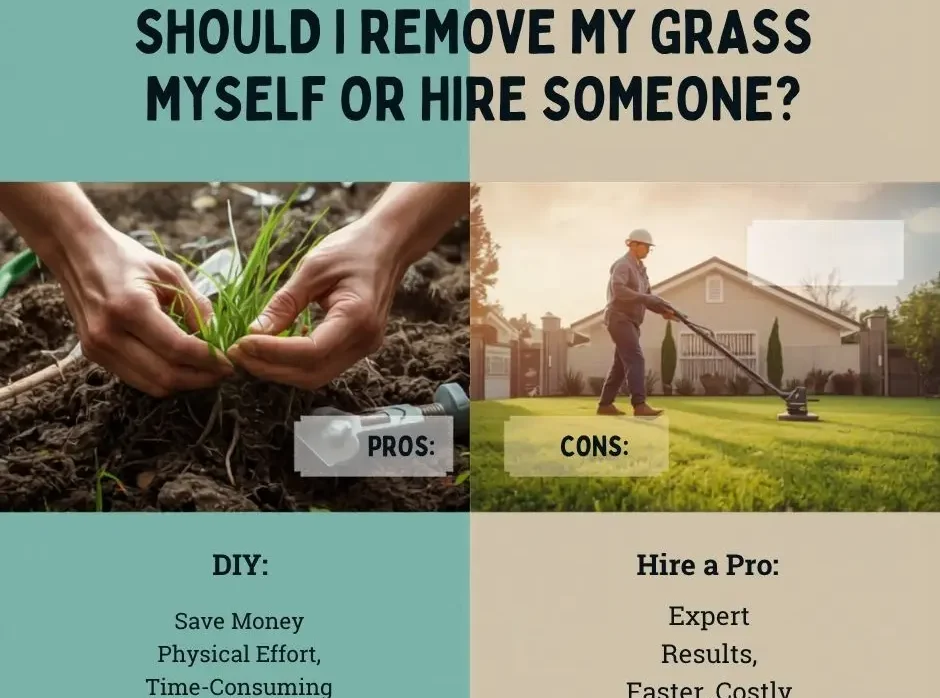
If you’re planning to install a new lawn, one of the first decisions you’ll need to make is whether to remove the existing grass yourself or hire a professional lawn removal company.
At first glance, DIY lawn removal may seem like an easy way to save money. However, after working on lawn and landscaping projects ranging from small residential gardens to developments covering more than 50 acres and millions of square feet, we’ve learned that lawn removal is often much more complex than homeowners expect.
In this guide, we’ll compare DIY and professional lawn removal, explain the real costs involved, and help you decide which option is best for your property.
Our Experience With Lawn Removal Projects
At Balaji Nursery, we have worked on a wide range of residential, commercial, institutional, and government landscaping projects across India.
Our projects range from small home lawns to large-scale developments covering 20–40 lakh square feet and even sites exceeding 50 acres.
To manage projects of this scale, we rely on experienced managers, supervisors, agriculture engineers, horticulture professionals, and B.Sc. Agriculture specialists who oversee planning, execution, soil preparation, lawn installation, and long-term landscape performance.
This experience has allowed us to see both successful and unsuccessful lawn removal projects, giving us a realistic understanding of what homeowners should expect.
Can You Remove Grass Yourself?
Yes, in certain situations.
For lawn areas between approximately 200 and 500 square feet, DIY lawn removal can be a reasonable option. Most homeowners can complete the work within one to three days if they have the right tools, enough time, and are physically prepared for the work involved.
DIY lawn removal is most suitable when:
- The lawn area is relatively small.
- The existing grass is not heavily weed-infested.
- The soil is not severely compacted.
- You have enough time to complete the work properly.
However, once lawn sizes exceed 500 square feet, the project becomes significantly more labor-intensive and technical.
The Biggest Mistake Homeowners Make
One of the most common mistakes we encounter occurs when homeowners attempt to save money by removing the lawn themselves or hiring untrained laborers.
Typically, only the top 2–3 inches of grass and soil are removed.
While the area may look clean on the surface, the deeper root systems remain untouched.
Most mature lawn grasses develop roots that extend 7–8 inches below ground level and can sometimes reach depths of up to 1 foot.
As a result, the old grass often returns and begins competing with the new lawn. Many homeowners end up spending additional money correcting a problem that could have been avoided during the initial preparation stage.
Why Professional Lawn Removal Is Different
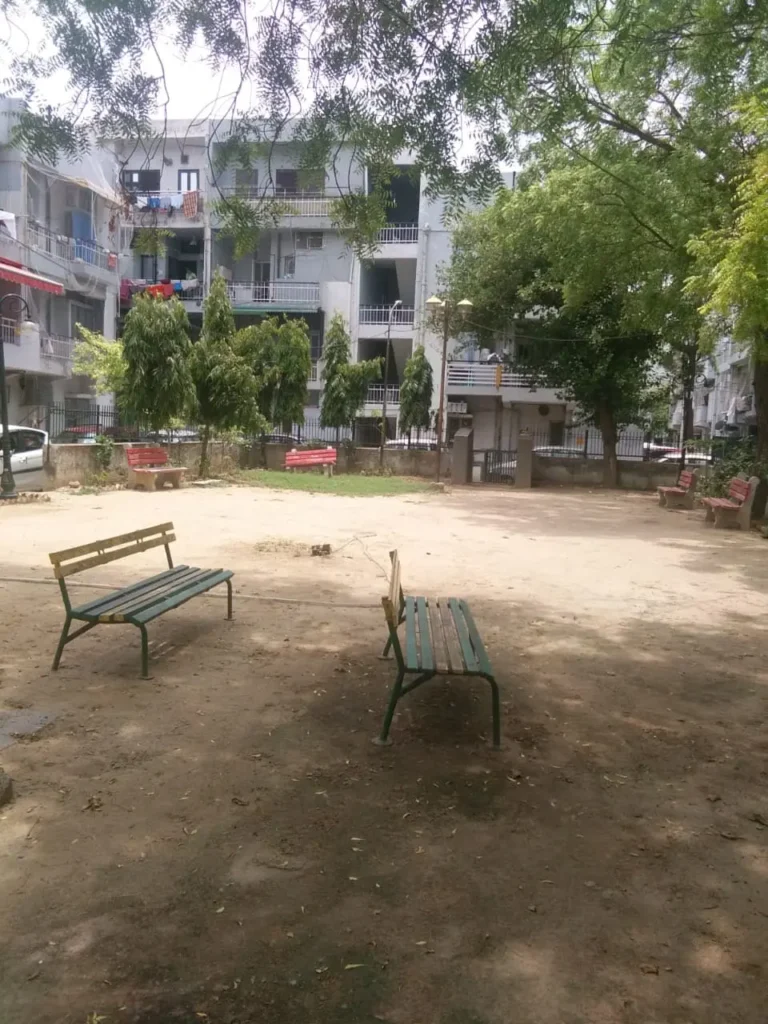
Professional lawn removal involves much more than simply digging out visible grass.
A professional team evaluates:
- Root depth
- Soil compaction
- Weed infestation levels
- Drainage conditions
- Soil quality
- Future lawn requirements
A proper lawn removal project may include:
- Deep excavation (7 inches to 1 foot)
- Root removal
- Weed control
- Soil loosening
- Soil aeration
- Site grading
- Removal of stones and debris
- Soil treatment
- Disease prevention measures
One of the most overlooked factors is soil compaction.
Compacted soil restricts root growth and reduces oxygen availability. Before installing a new lawn, the soil should be loosened to create an oxygen-rich growing environment that supports healthy grass establishment.
Hidden Costs of DIY Lawn Removal
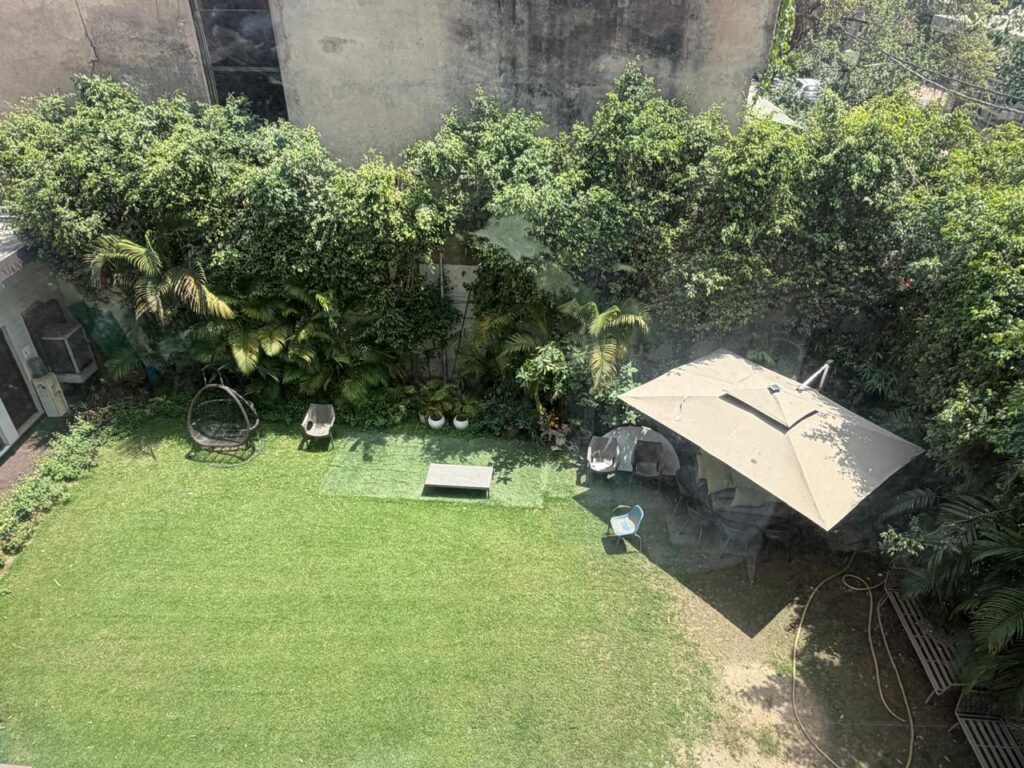
Many homeowners compare only the contractor’s quotation and overlook several hidden costs.
These may include:
Disposal Costs
Removed grass, weeds, roots, and organic debris must be transported and disposed of properly.
Soil Replacement Costs
In some cases, fresh soil may be required to improve growing conditions.
Stone and Debris Removal
Many sites contain gravel, stones, construction waste, or other unwanted materials that must be removed before lawn installation.
Tool and Equipment Costs
Shovels, wheelbarrows, cutters, excavation tools, and other equipment can add to the total cost.
Transportation Costs
Transporting labor, equipment, soil, and waste materials can significantly increase project expenses.
Time Costs
DIY lawn removal often takes much longer than expected.
Rework Costs
If roots remain in the soil or weeds are not controlled properly, homeowners may need to repeat part of the project later.
A Common Problem We See During the Rainy Season
Timing plays a major role in lawn preparation.
Many homeowners begin site preparation just before the rainy season in an attempt to complete the project quickly.
Unfortunately, heavy rainfall can damage freshly prepared areas, create soil compaction issues, wash away prepared surfaces, and force portions of the project to be repeated.
Choosing the correct season for lawn preparation can save both time and money.
How Much Does Lawn Removal Cost?
Lawn removal costs vary depending on:
- Project size
- Site accessibility
- Transportation requirements
- Soil condition
- Age of the existing lawn
- Labor requirements
- Machinery access
Based on our experience, lawn removal generally costs between ₹2 and ₹10 per square foot.
Machine-based removal is often faster and more cost-effective on large open sites.
However, many residential gardens have limited access, making manual removal necessary. In such situations, labor costs are typically higher.
DIY vs Professional Lawn Removal
| Factor | DIY Lawn Removal | Professional Lawn Removal |
|---|---|---|
| Initial Cost | Lower | Higher |
| Physical Effort | Very High | Minimal for homeowner |
| Speed | Slower | Faster |
| Root Removal | Often Incomplete | Usually Thorough |
| Weed Control | Limited | More Effective |
| Soil Preparation | Basic | Professional |
| Long-Term Results | Variable | More Reliable |
| Risk of Rework | Higher | Lower |
When DIY Makes Sense
DIY lawn removal may be suitable if:
- The lawn is under 500 sq ft.
- You have available time.
- The soil is manageable.
- You understand proper excavation depth.
- You are comfortable handling debris disposal.
When You Should Hire a Professional
Hiring professionals is generally recommended when:
- The lawn exceeds 500 sq ft.
- The lawn is old.
- The site contains significant weed growth.
- The soil is heavily compacted.
- You want long-term results.
- A premium lawn installation will follow.
Our Recommendation
If your goal is simply to remove visible grass, DIY can work for smaller projects.
However, if your goal is to build a healthy, long-lasting lawn, professional lawn removal is usually the better investment.
A properly prepared lawn site involves more than grass removal. It requires correct excavation depth, complete root removal, weed management, soil conditioning, and proper planning.
Shortcuts may reduce costs initially, but they often create larger expenses in the future.
About Balaji Nursery
Balaji Nursery is one of India’s leading lawn and landscaping companies, serving residential, commercial, institutional, and government clients across the country.
We work with homeowners, architects, engineers, landscape consultants, corporations, and public-sector organizations on projects ranging from private gardens to large infrastructure developments.
Our team includes agriculture engineers, horticulture specialists, and trained landscape professionals who focus on creating sustainable, long-lasting lawns using scientific methods and industry best practices.
Whether the project involves a small residential lawn or a large commercial landscape, our objective remains the same: creating healthy green spaces that continue performing well for years to come.
Frequently Asked Questions
How deep should grass roots be removed before installing a new lawn?
In our experience, removing only the top layer of grass is one of the biggest mistakes homeowners make.
Most established lawn grasses develop roots that extend 7–8 inches below the surface, while some older lawns may have roots reaching close to 12 inches. For long-term results, the goal should be to remove the entire root zone rather than just the visible grass.
If roots remain in the soil, the old grass often grows back and competes with the new lawn.
Is it cheaper to remove grass yourself?
For very small lawns, usually under 500 square feet, DIY removal can save money if you already have the necessary tools and enough time.
However, many homeowners underestimate the hidden costs involved, including debris disposal, transportation, soil replacement, equipment, and the possibility of redoing the work if the old grass returns.
For larger lawns, professional removal is often more cost-effective because the work is completed correctly the first time.
How much does lawn removal cost per square foot?
There is no fixed national rate because costs vary based on project size, accessibility, soil condition, transportation requirements, and whether manual labor or machinery is used.
Based on our experience across residential and commercial projects, lawn removal typically ranges between ₹2 and ₹10 per square foot.
Smaller residential gardens often cost more per square foot because machinery access is limited and more manual labor is required.
Can old grass grow back after removal?
Yes, and it happens more often than most homeowners realize.
The most common reason is incomplete root removal. Many DIY projects remove only the visible grass while leaving root systems underground. Over time, these roots regenerate and begin growing through the newly installed lawn.
This is especially common in older lawns that have been established for many years.
What is the best season for lawn removal?
The ideal timing depends on your location and the type of lawn being installed afterward.
Generally, we recommend avoiding major lawn preparation work immediately before periods of heavy rainfall. Excessive rain can compact soil, disrupt site preparation, and increase project costs.
The best approach is to schedule lawn removal when weather conditions are relatively stable, allowing enough time for proper soil preparation before the new lawn is installed.
Why do some new lawns fail even after old grass has been removed?
In many cases, the problem is not the new grass but the preparation underneath.
Compacted soil, leftover roots, poor drainage, weed infestations, and inadequate soil conditioning can all prevent a new lawn from establishing properly.
A successful lawn starts below the surface. Proper site preparation is often more important than the grass variety itself.
What is the biggest mistake homeowners make during lawn replacement?
The biggest mistake is focusing only on what is visible above the ground.
Many people remove the grass they can see but ignore what is happening underneath the soil. Successful lawn replacement requires root removal, soil loosening, weed management, debris cleanup, and proper grading.
Skipping these steps often leads to recurring problems and additional costs later.
Last Updated on 5 months ago by Balaji Nursery Editorial Team

- How do you pick the right planter size so your plant actually thrives? - October 10, 2026
- Tulsi Plant Direction as per Vastu: Where to Keep It at Home - October 3, 2026
- Which garden planter is right for your home, balcony or terrace? - October 1, 2026