 by Balaji Nursery Editorial Team
Top 7 Types of Lawn Grass in India with Images
Why Choosing the Right Lawn Grass Matters
Confused between Bermuda, Mexican, or Korean grass? This expert guide will help you choose the perfect lawn grass for your home in India. A lawn is more than just a patch of green outside your home. It is the first thing people notice when they walk into your garden, farmhouse, office, landscape, or residential society. Think of lawn grass as the foundation of your outdoor beauty. If the foundation is weak, uneven, or unsuitable for your climate, everything else suffers. In India, where weather conditions swing dramatically between scorching summers, heavy monsoons, and chilly winters in northern regions, selecting the right lawn grass becomes critical.
India’s landscaping industry has grown significantly over the last few years, especially in metro cities like Delhi, Mumbai, Bengaluru, Chandigarh, and Pune. Homeowners are investing in outdoor spaces more than ever before. According to recent landscaping market trends, low-maintenance and drought-resistant lawn grasses are becoming increasingly popular due to rising water conservation concerns. This shift makes choosing the right grass not just a matter of aesthetics but also sustainability.
The wrong grass can lead to endless headaches—brown patches, weed invasion, excessive watering, pest attacks, and expensive maintenance. On the other hand, the right grass creates a lush green carpet that thrives naturally. It feels like choosing the right pair of shoes. Pick the wrong size, and every step hurts. Pick the perfect fit, and everything feels effortless.
If you’re planning to create a beautiful Indian lawn, understanding the types of grass available is your first step toward success.
Understanding Indian Lawn Grass Categories
Not all grass is created equal. Some thrive under blazing Indian sun, while others perform beautifully in shaded spaces. Broadly speaking, lawn grasses suitable for India fall under warm-season grasses, as India’s climate largely favors heat-loving varieties.
Warm-season grasses flourish when temperatures remain between 24°C and 35°C, making them ideal for most Indian regions. These grasses actively grow during spring and summer while slowing down in colder months. They are naturally drought-tolerant, making them practical choices for Indian homeowners facing water restrictions.
Then there are shade-tolerant grasses, which perform better under partial sunlight. These are ideal for urban gardens surrounded by buildings, boundary walls, or large trees. Choosing between these categories depends on your lawn’s specific conditions.
Here are key factors you should consider:
| Factor | Why It Matters |
|---|---|
| Sunlight Availability | Determines whether sun-loving or shade-tolerant grass is suitable |
| Water Availability | Some grasses need frequent watering |
| Foot Traffic | Play areas need durable grass |
| Maintenance Level | Some varieties require regular mowing |
| Budget | Premium turf options cost more |
Think of selecting lawn grass like matchmaking. The grass must match your environment, lifestyle, and expectations. If your lawn gets direct sunlight for 8 hours daily, Bermuda may be your soulmate. If your lawn lives mostly in shade, Korean grass could be a better companion.
1. Bermuda Grass (Cynodon dactylon)
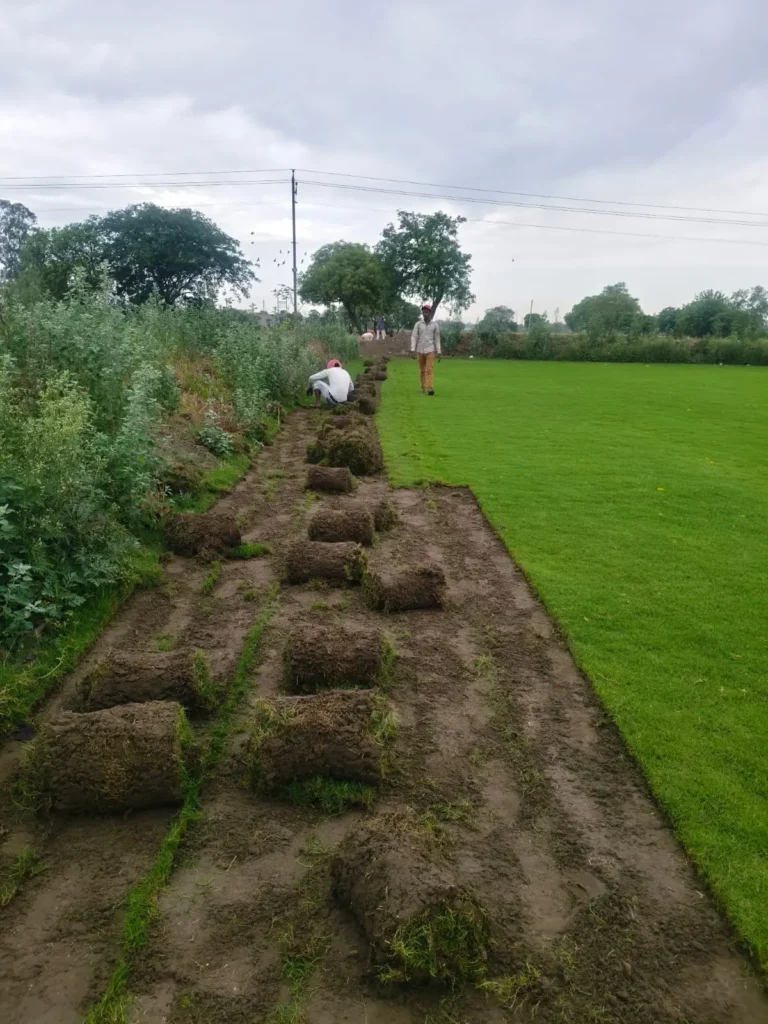
Bermuda Grass is arguably the king of Indian lawns. Also called Doob hybrid grass, it dominates parks, sports grounds, golf courses, and residential lawns across the country.
Why is it so popular? Simple. Bermuda grass is built for Indian summers. It loves full sunlight and handles high temperatures effortlessly. Even during extreme heatwaves, when other grasses struggle, Bermuda often remains vibrant green if given basic care.
One of its strongest advantages is rapid growth. It spreads aggressively through stolons and rhizomes, filling bare patches quickly. This makes it ideal for families with children or pets because it recovers fast from wear and tear.
Key features:
- Excellent heat tolerance
- Fast recovery from damage
- Drought-resistant
- Dense growth
- Suitable for heavy traffic
The downside? Bermuda grass requires frequent mowing. Left unattended, it grows wild quickly. It also dislikes shade and may thin out under trees.
For Delhi NCR, Rajasthan, Haryana, Punjab, Gujarat, and Madhya Pradesh, Bermuda is often considered the safest lawn investment.
2. Korean Grass
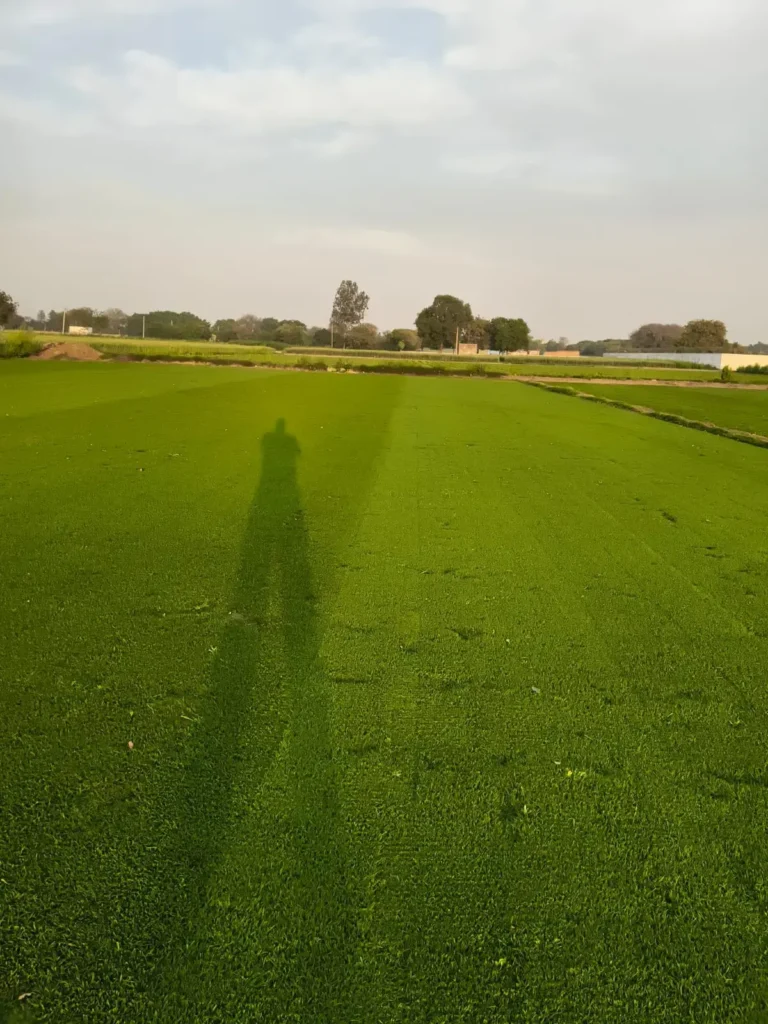
If Bermuda is the athlete, Korean Grass is the luxury sedan—smooth, elegant, and refined.
Known for its soft texture and premium appearance, Korean grass creates a dense, fine-bladed carpet that looks stunning in decorative gardens. It is often used in villas, resorts, luxury farmhouses, and high-end landscaping projects.
Its biggest advantage is visual appeal. The grass blades are delicate and tightly packed, creating a plush appearance that instantly elevates landscape aesthetics.
Korean grass performs well in:
- Partial sunlight
- Moderate foot traffic
- Decorative lawns
- Premium landscapes
Maintenance is relatively moderate. It grows slower than Bermuda, which means less mowing. However, it requires regular watering during establishment and can struggle in harsh direct summer heat without adequate moisture.
If your lawn is designed more for beauty than rough use, Korean grass is a fantastic choice.
3. Selection No. 1 Grass
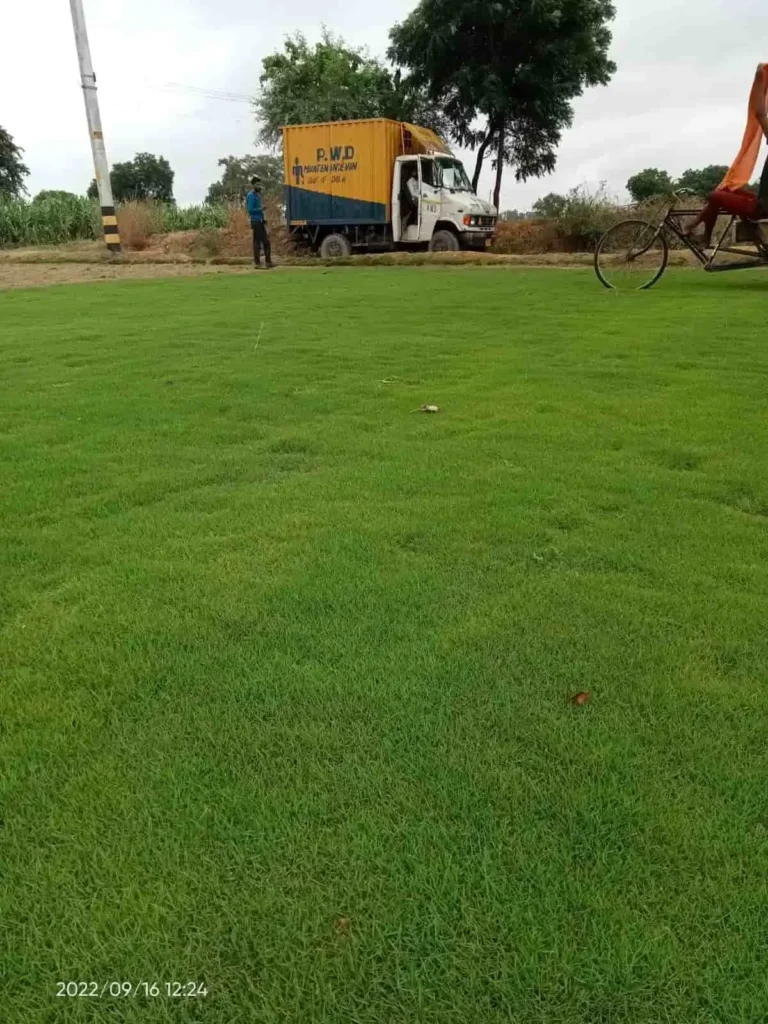
This variety has become increasingly popular among Indian homeowners, especially in Delhi NCR landscaping projects.
Selection No. 1 Grass offers a near-perfect balance between durability, softness, and visual appeal. It combines the resilience needed for Indian weather with a lush green finish that homeowners love.
What makes it stand out is adaptability. It handles heat better than Korean grass while offering a softer appearance than standard Bermuda.
Benefits include:
- Fast establishment
- Rich green color
- Moderate water needs
- Suitable for residential lawns
- Good tolerance to Indian summers
Many lawn suppliers recommend it for modern urban homes because it balances practicality and aesthetics.
If you want the “middle path” between luxury and toughness, Selection No. 1 Grass is worth serious consideration. (Balaji Nursery)
4. Mexican Grass

Mexican Grass is often praised for its elegant, fine texture and decorative appeal.
It creates a velvety lawn surface that feels incredibly soft underfoot. This makes it popular for ornamental landscapes where appearance matters most.
What makes Mexican grass attractive is its:
- Fine leaf texture
- Dense appearance
- Bright green color
- Soft walking surface
However, beauty comes with responsibility. Mexican grass needs consistent maintenance, including regular watering, trimming, and occasional fertilization.
It performs best in areas with:
- Good sunlight
- Controlled foot traffic
- Well-drained soil
For homeowners who enjoy hands-on gardening and want a visually striking lawn, Mexican grass is an excellent option.
5. Carpet Grass
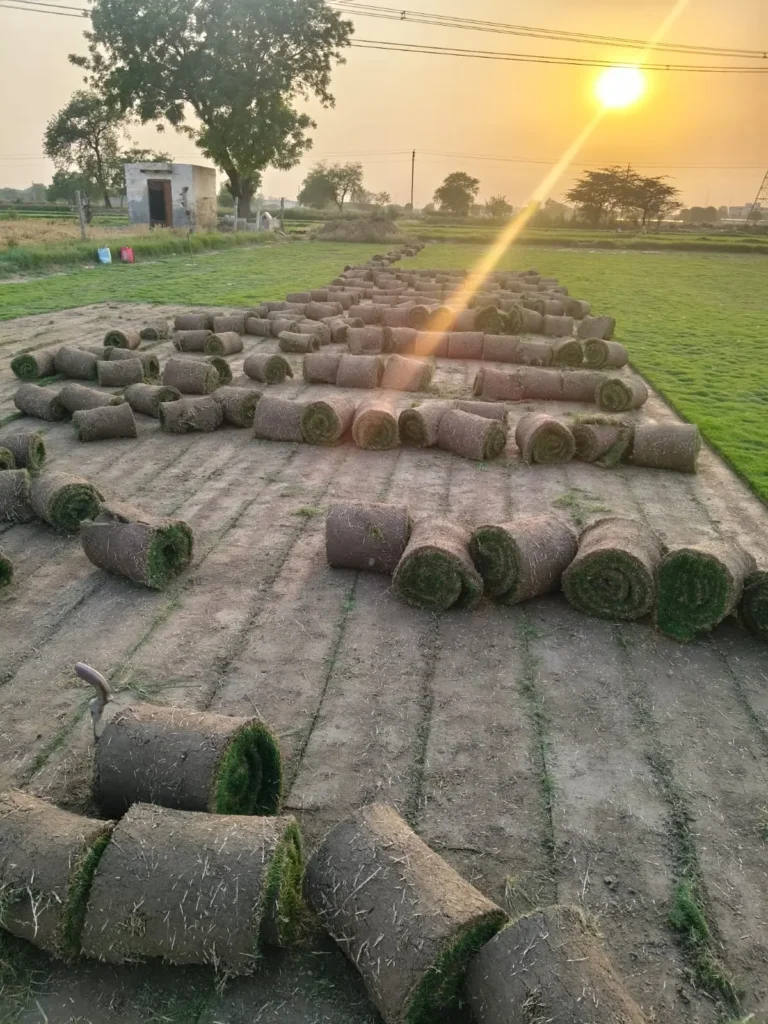
As the name suggests, Carpet Grass creates a thick, carpet-like lawn surface.
This grass is especially valuable for people seeking low-maintenance greenery. It grows relatively slowly and doesn’t demand constant mowing.
Its major strengths include:
- Shade tolerance
- Moderate drought resistance
- Low fertilizer requirement
- Easy maintenance
Carpet grass thrives in humid conditions, making it suitable for regions with decent monsoon rainfall.
It’s ideal for:
- Residential lawns
- Office landscapes
- Areas with mixed sunlight
If lawn maintenance feels like a chore, Carpet Grass can make life easier.
6. Zoysia Grass
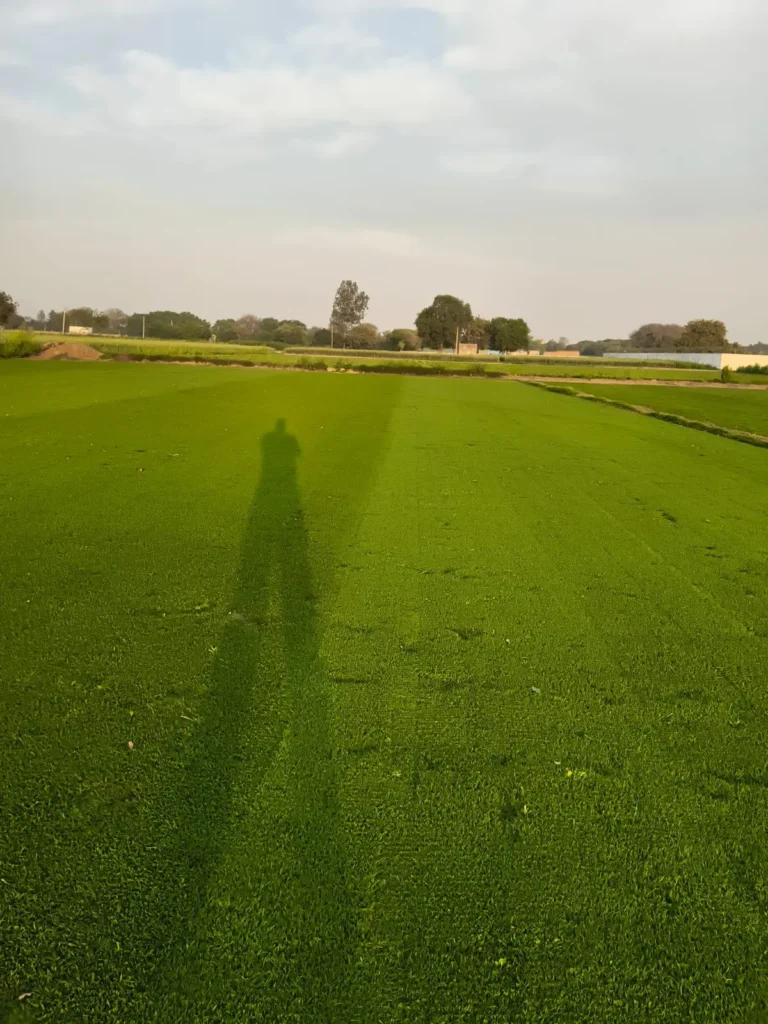
Zoysia Grass is often described as the all-rounder of lawn grasses.
It offers remarkable tolerance to heat, drought, and moderate shade. Its dense growth naturally suppresses weeds, reducing maintenance efforts.
What homeowners love about Zoysia:
- Thick luxurious texture
- Weed resistance
- Excellent durability
- Low water requirement
The only drawback is slow establishment. It takes time to fully spread, requiring patience during initial growth.
Once established, though, it becomes one of the most reliable and beautiful lawn options available.
Recent landscaping recommendations increasingly highlight Zoysia as a sustainable option for Indian climates due to its water efficiency.
7. Doob Grass (Traditional Indian Grass)
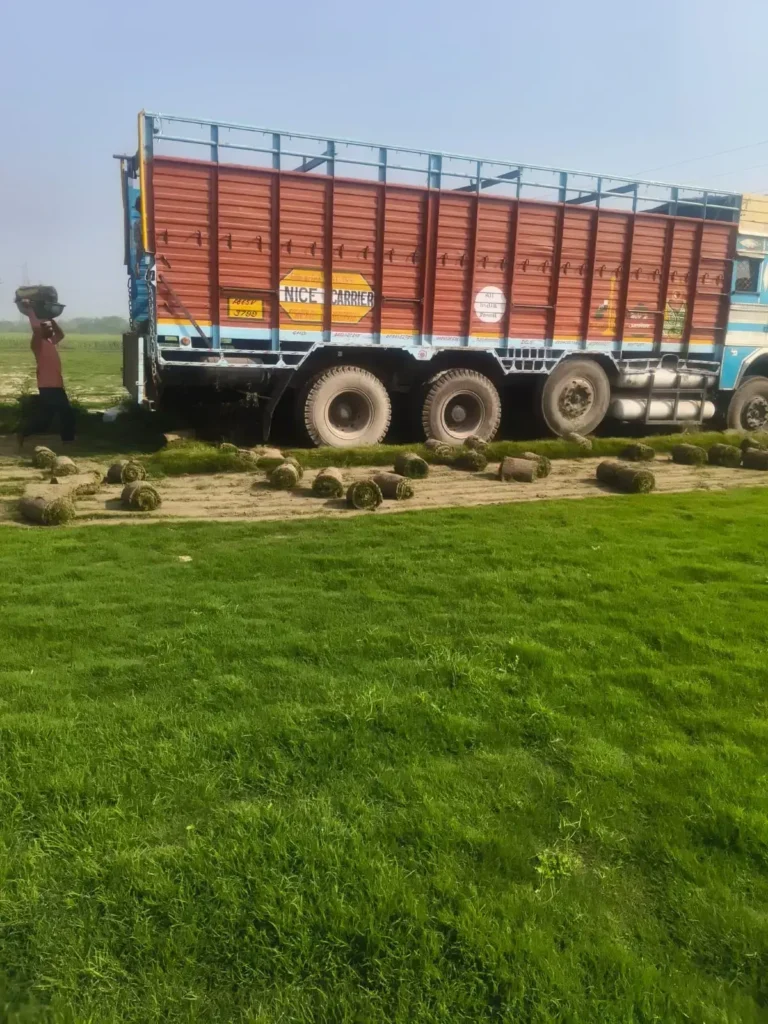
Doob Grass holds cultural and practical significance in India.
Commonly found in temples, traditional homes, and rural landscapes, it is one of the oldest lawn grass choices in the country.
Why has it survived for generations?
Because it’s incredibly hardy.
Doob Grass:
- Survives harsh heat
- Requires minimal water
- Recovers quickly
- Costs less than premium varieties
Its texture is coarser than Korean or Mexican grass, but its resilience makes it a favorite for budget-conscious homeowners.
If you want affordability and dependability, Doob grass delivers.
Comparison Table of Top 7 Lawn Grasses in India
| Grass Type | Sunlight Need | Maintenance | Softness | Drought Tolerance |
|---|---|---|---|---|
| Bermuda Grass | High | Medium-High | Medium | Excellent |
| Korean Grass | Medium | Medium | Excellent | Moderate |
| Selection No. 1 | High | Medium | High | Good |
| Mexican Grass | High | High | Excellent | Moderate |
| Carpet Grass | Medium | Low | Medium | Good |
| Zoysia Grass | Medium-High | Low | High | Excellent |
| Doob Grass | High | Low | Medium | Excellent |
How to Choose the Best Grass for Your Lawn
Choosing lawn grass is like selecting the right engine for a car. The best option depends on how you plan to use it.
Ask yourself:
Do you want luxury aesthetics?
Choose Korean or Mexican grass.
Need durability for kids and pets?
Go with Bermuda or Zoysia.
Looking for affordability?
Doob grass is ideal.
Want balanced performance?
Selection No. 1 is an excellent compromise.
Also consider your location.
For North India, heat-resistant grasses like Bermuda and Selection No. 1 work best.
For humid southern climates, Zoysia and Carpet Grass often perform beautifully.
Always inspect soil quality and drainage before installation. Even the best grass struggles in poorly prepared soil.
Conclusion
Creating a lush green lawn in India starts with choosing the right grass variety.
There’s no universal “best” option. The ideal lawn grass depends on your climate, maintenance preference, budget, and how you use your outdoor space.
If reliability matters most, Bermuda Grass remains the champion.
If luxury appearance is your priority, Korean and Mexican grass shine brilliantly.
For a balanced modern lawn, Selection No. 1 Grass deserves serious attention.
A lawn is an investment that pays you back every day—in beauty, comfort, cooler surroundings, and peace of mind. Choose wisely, nurture consistently, and your lawn will reward you with a green paradise.
FAQs
1. Which lawn grass is best for Delhi NCR?
Bermuda Grass and Selection No. 1 Grass are excellent due to their high heat tolerance.
2. Which grass requires the least maintenance?
Doob Grass and Carpet Grass require minimal care.
3. Which grass is softest for walking barefoot?
Korean Grass and Mexican Grass offer the softest texture.
4. Which lawn grass uses less water?
Zoysia and Bermuda are highly drought-tolerant.
5. Can I mix different lawn grass varieties?
Yes, but it can create uneven texture and color. Uniform lawns look more professional.
Last Updated on 4 months ago by Balaji Nursery Editorial Team

- How do you pick the right planter size so your plant actually thrives? - October 10, 2026
- Tulsi Plant Direction as per Vastu: Where to Keep It at Home - October 3, 2026
- Which garden planter is right for your home, balcony or terrace? - October 1, 2026