 by Balaji Nursery Editorial Team
What is vetiver grass and why do Indians love it?
You may have seen it growing near rivers. Or smelled it in a khus sharbat on a hot summer day. That cool, earthy smell? That comes from vetiver.
Vetiver grass india has a long history. People have used it for hundreds of years. For cooling, for medicine, for keeping soil in place. And now, more and more home owners are planting it in their gardens too.
This guide covers everything you need to know. What vetiver is, what it does, how to grow it and where to buy it.
What exactly is vetiver grass?
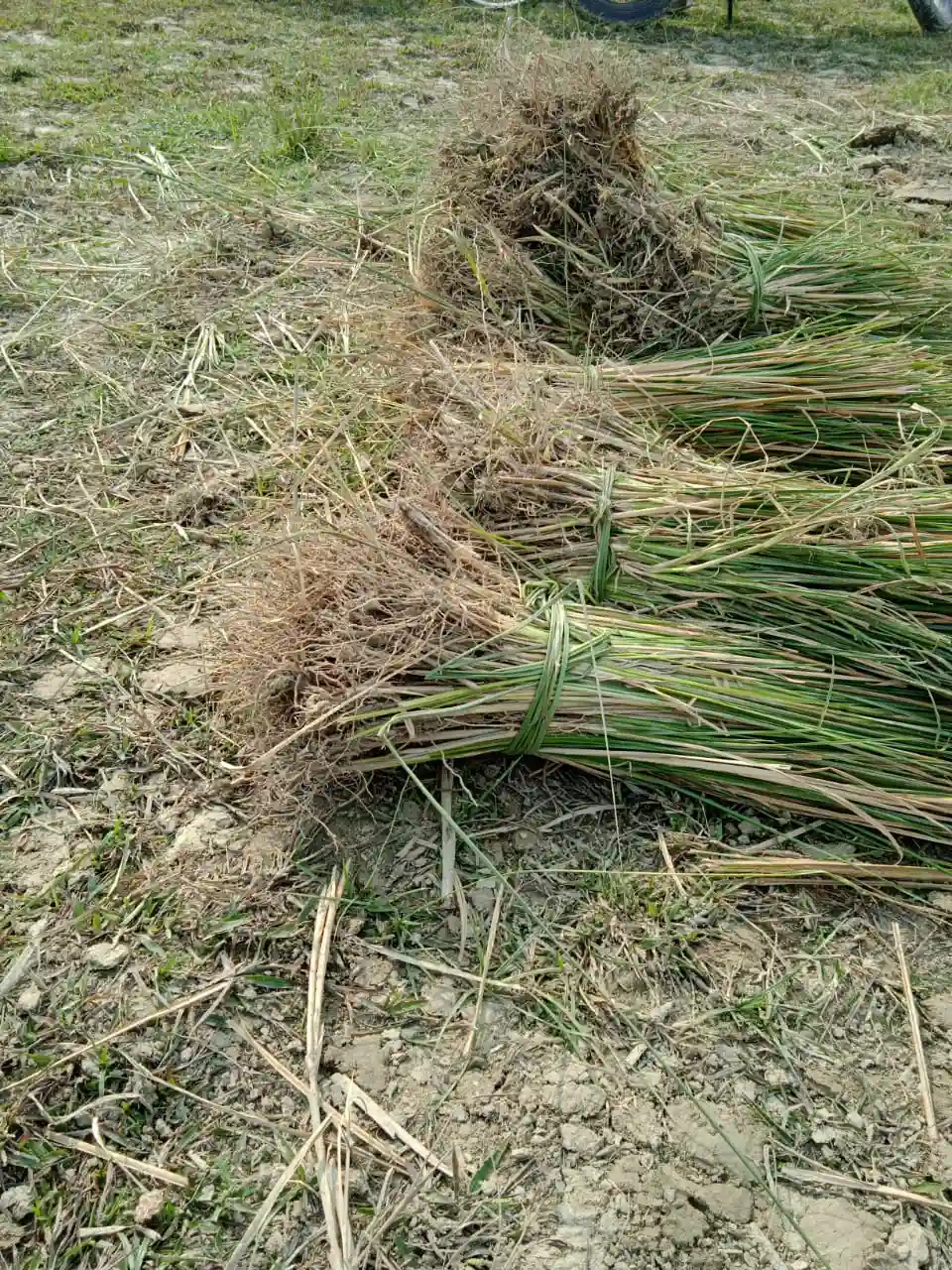
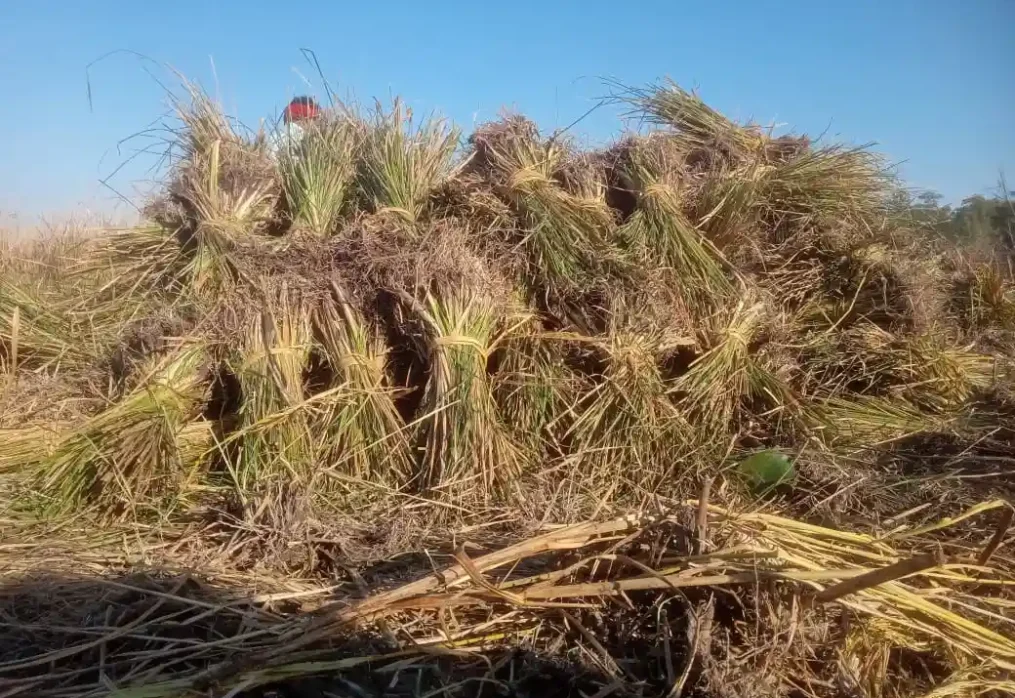
Vetiver is a tall, thick grass. It grows in clumps. The leaves are long and narrow. But the real magic is underground.
The roots of vetiver go very deep. Some roots reach 3 to 4 metres into the soil. That is deeper than most trees.
In India, people call it khus or khus khus. It grows wild in many states. Tamil Nadu, Karnataka, Rajasthan and Uttar Pradesh all have natural vetiver.
The plant is tough. It can handle heat, cold, floods and dry spells. Very few grasses survive this many conditions.
Why is the vetiver plant so popular in India?
Three reasons. Smell, soil and savings.
The roots have a strong, earthy fragrance. People use them in coolers, perfumes and traditional drinks. If you have ever used a khus cooler pad, you already know the smell.
The deep root system holds soil together. Farmers along rivers plant vetiver to stop their land from washing away during monsoon. It works better than concrete walls in many places. If you are curious about how natural lawn grass benefits your home, vetiver checks most of those boxes and then some.
And it saves money. Once planted, vetiver needs almost no care. No fertilizer. Very little water after the first few months. It just grows.
What are the main uses of vetiver grass in India?
Soil erosion control is the biggest one. Vetiver roots create a wall underground. Rain water slows down when it hits a vetiver hedge. The soil stays in place. Government projects across India use vetiver for this exact reason.
Cooling is another big use. Vetiver root mats (called khus tatties) are placed on windows and doors. When you pour water on them, the air passing through becomes cool and fragrant. People in Rajasthan and UP have done this for generations.
Perfume and essential oil. Vetiver oil is used in high end perfumes worldwide. India is one of the top producers. The oil comes from the roots, not the leaves.
Animal feed. The young leaves of vetiver are good food for cattle and goats. Many farmers in south India grow it for this purpose.
Water purification. Studies show vetiver roots can absorb heavy metals and toxins from dirty water. Some waste water treatment projects in India use vetiver beds for cleaning.
How do you grow vetiver grass at home?
It is simple. You don’t need seeds. Vetiver is grown from slips. A slip is a small piece of the plant with some roots attached.
Pick a sunny spot. Vetiver likes full sun. It can handle some shade but grows best with 6 to 8 hours of direct light.
Dig small holes about 15 cm apart. Place the slips in the holes. Press the soil around them firmly. Water well.
For the first 2 weeks, water every day. After that, twice a week is enough. Once the roots settle (about 2 months), you can stop watering unless there is a long dry spell.
Vetiver grows fast. Within 3 to 4 months, you will have thick clumps. Trim the leaves every few months to keep it neat. If you want to pair it with a lawn grass, check out this guide on which natural grass works best for Indian lawns.
Does vetiver work well along slopes and riverbanks?
This is where vetiver really shines.
Plant it in rows across a slope. The roots bind the soil. The leaves slow down rain water. Within one monsoon season, the erosion stops.
The World Bank has funded vetiver planting projects in over 100 countries. India uses it along highways, railway tracks and canal banks. It costs less than stone walls and works just as well (sometimes better).
If you have a sloped garden or a piece of land near a river, vetiver is the smartest thing you can plant there.
What are the benefits of vetiver grass for your garden?
It keeps pests away. The smell of vetiver roots repels termites and some insects. People put dried vetiver roots in cupboards for this reason.
It improves soil quality. The deep roots break up hard soil and bring nutrients to the surface. Plants growing near vetiver often do better. You can learn more about picking grass based on your region’s climate if you want to build a full garden around it.
It looks good. A row of vetiver along a garden border gives a clean, green look. The leaves sway nicely in the wind.
And it survives neglect. Forgot to water for 2 weeks? Vetiver will still be standing. That makes it perfect for people who travel often or don’t want high maintenance plants.
Where can you buy quality vetiver grass india?
You can find vetiver slips at local nurseries in most Indian cities. But quality varies a lot. Some vendors sell weak slips that don’t root well.
For the best results, buy from a trusted supplier. Balaji Nursery grows and supplies vetiver grass across India. With 25 years in the business and over 22,000 lawns delivered, they know their plants. They also carry other popular options if you want to explore the best natural turf for gardens.
You can order online and get delivery to your doorstep. The slips arrive fresh and ready to plant. They also offer advice on how many slips you need for your area.
So is vetiver worth planting at home?
100%. It smells great. It holds soil. It keeps pests away. It needs almost no care. And it looks good.
Now you know everything about vetiver grass india. From what it is and what it does, to how to grow it and where to get it.
If you want to add vetiver to your garden, Balaji Nursery can help. Shop vetiver grass today and get fresh, healthy slips delivered to your home.
Frequently Asked Questions
Q: Is vetiver the same as khus grass?
Yes. Vetiver and khus are the same plant. Khus is the Hindi name. Vetiver comes from the Tamil word ‘vettiver’ which means ‘root that is dug up’.
Q: Can I grow vetiver in a pot?
Yes, but it does better in the ground. If you use a pot, pick a large one (at least 12 inches deep) so the roots have space to grow.
Q: Does vetiver grass spread like a weed?
No. Vetiver grows in tight clumps. It does not send runners or spread sideways like some grasses. You control exactly where it stays.
Q: How tall does vetiver grow?
The leaves can reach 1.5 to 2 metres tall if you let them. Most people trim it to about 50 to 60 cm for a neat look.
Q: Is vetiver grass safe for pets and children?
Yes. Vetiver is non toxic. It is safe around kids and animals. The roots are even used in food and drinks.
Q: Can vetiver survive Indian winters?
Yes. The leaves may turn brown in very cold areas but the roots stay alive. New green leaves come back in spring.
Last Updated on 2 months ago by Balaji Nursery Editorial Team

- How does vetiver protect roads, rivers and hillsides? - September 19, 2026
- Should you grow your lawn from seed or lay sod rolls? - September 11, 2026
- How do you grow a lawn from seeds if you have never done it before? - September 7, 2026