 by Balaji Nursery Editorial Team
Durva Grass for Ganesh Puja: Significance and Where to Buy
Every year, a few days before Ganesh Chaturthi, the same question shows up in every Indian household — “durva mil gayi kya?” No Ganpati puja feels complete without it, yet most people buying it every year don’t fully know why it matters or how many blades they’re actually supposed to offer.
This guide covers what durva grass is, its significance to Lord Ganesha, the correct way to offer it, and where to get it fresh.
What is durva grass and why is it used in Ganesh puja?
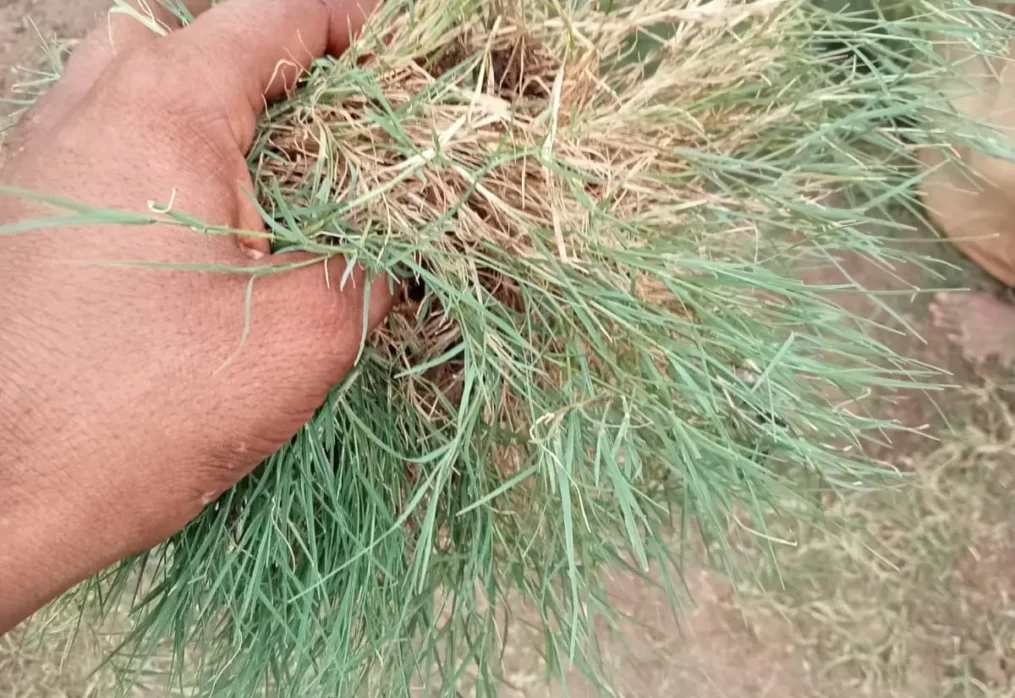
Durva grass is a small, fine-bladed grass — the same plant known as doob grass in gardens and Bermuda grass in botanical terms (Cynodon dactylon). What makes it different in a religious context isn’t the plant itself; it’s the tradition around it.
According to popular belief, Lord Ganesha once battled a demon named Analasura, who caused unbearable heat when swallowed. Sages are said to have rolled durva grass into small balls and offered them to cool him down, and Ganesha declared that anyone who worships him with durva would receive his blessings from then on. That’s the origin story most priests and elders refer to when explaining why durva is non-negotiable in Ganesh puja.
The name itself carries meaning too — durva is said to come from words meaning something that stays far from bad or negative energy, symbolizing purity and steadiness.
Why exactly three blades? What does durva represent?
A single durva sprig typically has three blades, and this isn’t accidental in how it’s used. The three blades are commonly linked to three core principles — Shiva, Shakti and Ganesha — representing balance between them.
Because of this symbolism, durva isn’t treated like an ordinary offering. It’s seen as something that draws divine energy closer to the person performing the puja, which is why even a small, humble grass holds such an important place next to flowers, fruits and modak during Ganpati puja.
How many durva blades should you offer to Lord Ganesha?
This is the most common question, and the traditional answer is 21 — referred to as durvankur. The number 21 itself is considered auspicious across many Ganesh rituals, not just for durva.
That said, practices vary slightly by region and family tradition. Some offer it in sets of 3, 5 or 11, as long as the count stays odd — odd numbers are generally preferred in these offerings. If you’re following a family priest’s instructions, their count takes priority over general guidance.
How do you correctly offer durva grass during puja?
The ritual itself is simple once you have fresh durva at hand:
- Wash the durva gently in clean water before puja — it should be fresh, green and free of dust.
- Tie the blades together in a small bunch, usually in sets of three, if offering multiple sprigs.
- Dip the durva in water briefly before offering it.
- Start from the feet of the deity and move upward, placing durva at different parts of the idol.
- Chant the Ganesha mantra or name while offering, as guided by your priest or family tradition.
- Some households also cover the entire idol (except the face) with durva grass as part of elaborate Ganesh Chaturthi rituals.
If fresh durva isn’t available on the day of puja, a small quantity kept aside and watered lightly a day earlier usually stays green enough to use.
Is durva grass the same as the doob grass used in lawns?
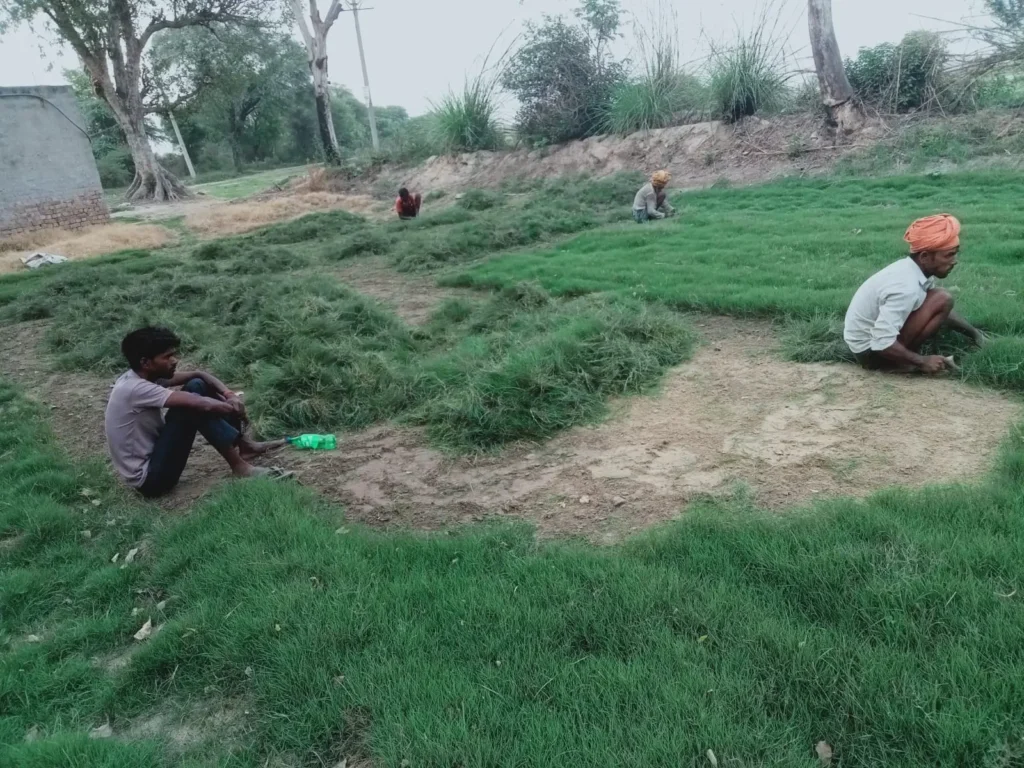
Yes and no — botanically, they’re the same plant (Cynodon dactylon). The difference is in the form it’s supplied in. Lawn-grade doob grass is grown, cut, and supplied as turf or sod for gardens and lawns. Puja-grade durva is harvested as tender young shoots, kept short, clean and free of soil, specifically for religious use.
If you already have a healthy doob grass lawn or patch at home, you technically have access to durva grass right there — many households simply pluck a few fresh sprigs from their own garden before puja, as long as it hasn’t been treated with any chemical fertilizer or pesticide recently.
Can dried durva grass be used instead of fresh?
Fresh durva is always preferred and considered more auspicious, since freshness itself is part of the offering’s symbolism. However, dried durva is a practical backup — especially for people who don’t have easy access to fresh grass, or for pujas performed away from home, at work, or while travelling.
If using dried durva, it’s still offered the same way — just without the washing and dipping-in-water step, since it’s already prepared for use.
Where can you buy fresh durva grass for Ganesh Chaturthi?
Fresh durva sold in general markets is often cut days in advance and starts wilting by the time it reaches you — which isn’t ideal for a puja offering. Buying from a grower who cuts fresh and delivers quickly makes a real difference.
Balaji Nursery has grown and supplied doob/durva grass across Delhi NCR for over 25 years. Ahead of Ganesh Chaturthi and other festivals, they supply small fresh bundles suitable for daily puja and festival rituals, cut close to delivery so it stays green and usable.
Call 8766234417 to order fresh durva grass bundles with home delivery, or WhatsApp to check same-day availability during festival season.
Frequently Asked Questions
Q: How many durva grass blades should be offered to Ganesha?
Traditionally, 21 blades (called durvankur) are tied together, though 3, 5 or 11 are also used depending on family tradition. The number should always be odd.
Q: Why is durva grass considered Lord Ganesha’s favourite?
According to tradition, sages once used durva grass to cool Ganesha after he swallowed a demon that caused unbearable heat, after which he blessed anyone who worships him with durva.
Q: Is durva grass the same as doob grass used in lawns?
Yes, botanically they’re the same plant (Cynodon dactylon). Durva refers to the tender young shoots used specifically for puja, while doob grass usually refers to the same plant grown as lawn turf.
Q: Can I use durva grass from my own lawn for puja?
Yes, as long as it’s fresh, clean, and hasn’t been recently treated with chemical fertilizer or pesticide.
Q: What if fresh durva grass isn’t available on the day of Ganesh Chaturthi?
Dried durva grass can be used as a backup — it’s offered the same way, just without washing or dipping in water first.
Q: Does durva grass need to be a specific color or freshness level?
Yes, it should be vibrant green and free of yellowing or dust. Wilted or dried-out durva (when fresh is expected) is generally avoided for the main offering
Last Updated on 2 months ago by Balaji Nursery Editorial Team

- How do you pick the right planter size so your plant actually thrives? - October 10, 2026
- Tulsi Plant Direction as per Vastu: Where to Keep It at Home - October 3, 2026
- Which garden planter is right for your home, balcony or terrace? - October 1, 2026