 by Anjali Mehra Ph.D. in Horticulture (Punjab Agricultural University)
How to plant lawn grass : A Step-by-Step Guide for a Beautiful Yard
To plant lawn grass, follow these 6 simple steps — (1) Prepare the soil (dig 6–8 inches deep, remove weeds and stones), (2) Choose the right grass (Bermuda, Zoysia, or Buffalo grass), (3) Lay seeds, sprigs, or turf rolls, (4) Water daily (every morning for the first 3–4 weeks), (5) Apply fertilizer after 2–3 weeks (NPK/nitrogen-rich), (6) Mow when grass reaches 3–4 inches. Best planting time is February–June (summer grasses) or September–November (winter grasses). For fresh lawn grass and expert guidance, contact Balaji Nursery — 8766234417.
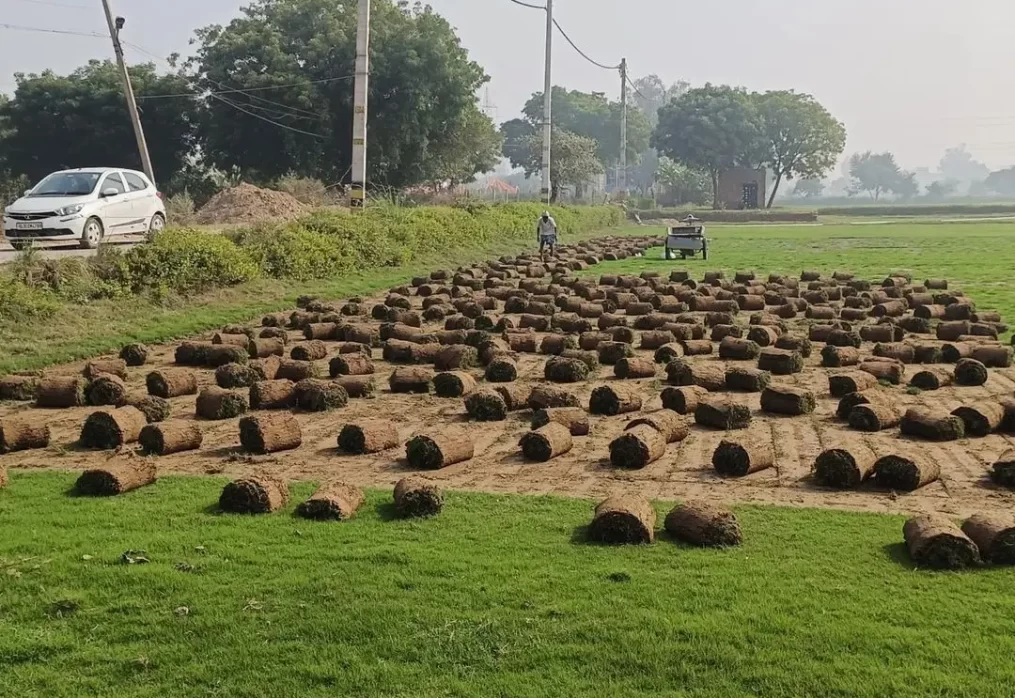
There are 3 main methods to plant lawn grass — Seeds (cheapest but slow — takes 3–4 weeks to germinate), Sprigs/Plugs (small rooted pieces planted directly into soil — medium cost and speed), and Turf Rolls (fastest method — lay directly on prepared soil and get a ready lawn in just 7–10 days). For large lawns, turf rolls are the best option — uniform appearance and quicker establishment. All options are available at Balaji Nursery.
Proper soil preparation is essential for healthy lawn growth — start by digging 6–8 inches deep, then remove all old roots, stones, and weeds. Mix in compost or organic manure (1-inch layer is sufficient). Level the ground properly so water does not pool in any area. If your soil is heavy clay, add some sand to improve drainage. Lightly water the soil 1–2 days before laying grass for best results.
The first 3–4 weeks after planting are critical for your lawn — water every morning (avoid evening watering to prevent fungal disease), avoid walking on the grass for the first 2 weeks, and apply NPK fertilizer in the 3rd week. Once grass reaches 3–4 inches in height, do the first mowing — never cut more than 1/3 of the blade at one time. Continue fertilizing every 6–8 weeks for a thick, healthy, and lush lawn.
The 4 best lawn grasses for India's climate are — Bermuda Grass (Doob) — most popular, thrives in full sun, very low maintenance; Zoysia Grass — soft texture, shade tolerant, slow growing; Buffalo Grass — drought resistant, ideal for dry regions; Carpet Grass — best for humid areas and South India. For North India, Bermuda grass is the #1 choice — it survives both summer heat and winter cold. Call 8766234417 to get expert advice on the best grass for your specific location.
Want a lush, green yard that makes your home look better and increases its value? A cheap way to make that dream come true is to plant grass seed. The pleasure of seeing your lawn grow and thrive is truly satisfying, even though it takes some work. You can make sure that the grass you plant in your yard is healthy and full of life by following this step-by-step guide.
Planting a lawn requires proper preparation and a clear understanding of the process to ensure healthy growth. If you’re wondering how to plant a lawn, start by selecting the right grass type for your soil and climate. A good turf planting guide recommends preparing the soil by clearing debris, leveling the surface, and adding nutrients before grass plantation in your garden. Whether you’re planning a lawn plantation with seeds or sod, consistent watering and sunlight are key to success. For those asking how to grow a lawn, ensure you mow, fertilize, and weed regularly to maintain its lush appearance. Following these steps for planting a lawn will help you achieve a vibrant, green landscape in no time.
Step 1: Choose the best time to plant
For cool-season grasses like fescue and ryegrass, plant them when it’s still warm, in early fall (September to November) or early spring (March to April). For warm-season grasses like Bermudagrass and Zoysia, plant them in late spring or early summer (May to June), when the soil has warmed up steadily.
Different grass varieties work best for different conditions. Some grow better in shade, some love the sun.
Popular Options in India:
Bermuda Grass – fast growing, durable
Mexican Grass (Korean) – low maintenance, premium look
Selection-1 (Shade Grass) – ideal for balconies and low-sun areas
Carpet Grass – soft, aesthetic, good for semi-shaded lawns
📌 Pro Tip: Still confused? Share your site photo on WhatsApp — we’ll suggest the best match for free.
Step 2: Get the Garden Ready
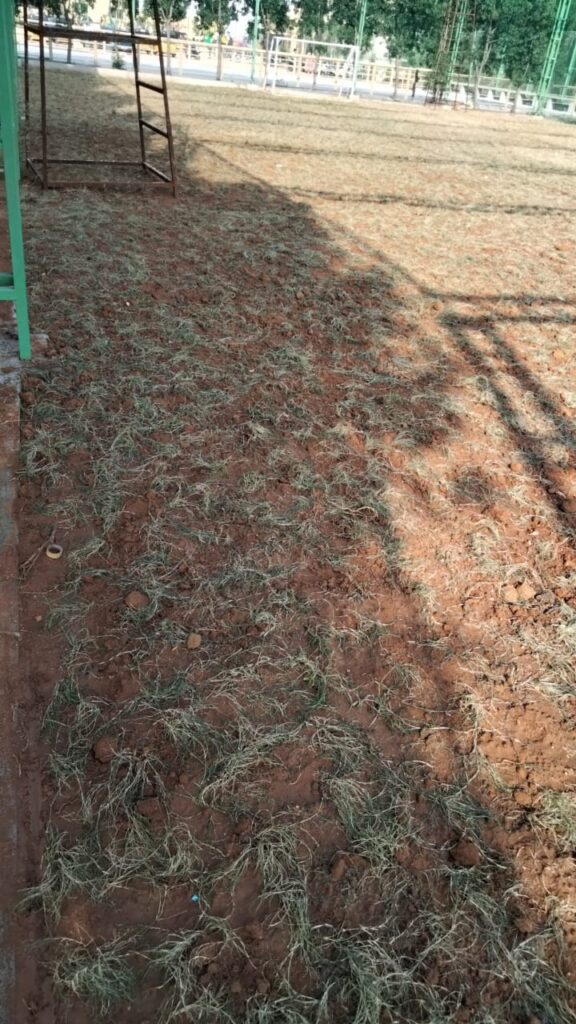
Clear the area: Get rid of any plants, rocks, or other trash that is there. Check the soil: A soil test kit will show your soil’s pH level. Most plants enjoy a slightly acidic soil (pH 6.0–7.0). As needed, amend the dirt with lime (which raises pH) or sulfur (which lowers pH). Till the dirt: With a rototiller or shovel, loosen the top 4-6 inches of dirt. This allows for adequate root growth and ventilation. Level the soil: Rake the tilled soil to make a smooth, even surface.
Step 3: Select Your Grass Seed
Temperature: Select a type of grass that thrives in your specific temperature range (cool season versus warm season). Sunlight: Consider the amount of sunlight that the planting area receives. Some plants handle shade better than others. Traffic: Select a grass type ideal for the amount of foot traffic it will receive (high-traffic places might benefit from a more durable variety).
Step 4: Planting the Seed
Seed Spreader: For bigger areas, use a broadcast spreader to ensure even seed spreading. Follow the spreader’s directions and suggested seeding rate for your chosen grass type. Manual Seeding: For smaller places, you can spread the seeds by hand. Divide the seeds in half and spread them in one direction, then repeat at a 90-degree angle to ensure even covering. Lightly Rake: After spreading the seeds, use a rake to gently work them into the top 1/4 inch of soil for good seed-to-soil contact.
Looking for the best Natural Lawn Grass Carpet Roll?
Step 5: Keep it moist, not soggy!
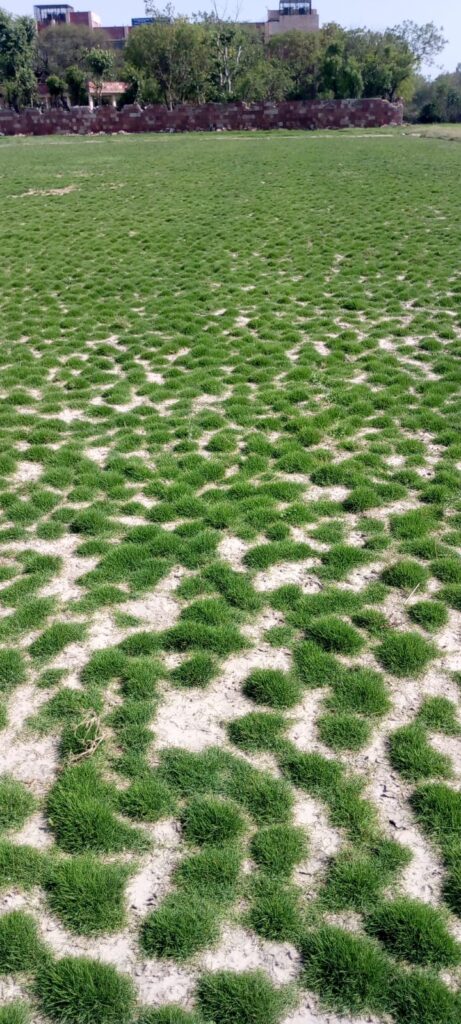
Water: Gently but thoroughly water the newly planted area, looking for consistent moisture in the top inch of soil. Frequency: Water 1-2 times daily, especially during hot weather, to keep the soil wet but not soggy.
Step 6: Protect the seedlings.
Mulch: Apply a thin layer of straw or burlap over the sown area to keep moisture, control weeds, and regulate soil temperature. Foot Traffic: Avoid going on the newly seeded area until the grass is established (around 4-6 weeks).
Step 7: Germination and Early Care
Patience: Seed sprouting usually takes 7–14 days. Watering: Continue to water regularly, changing the frequency as the grass develops. First Mowing: Once the grass gets 3–4 inches tall, you can mow it to a height of 2–2.5 inches.
Step 8: Maintaining a Healthy Lawn
Regular Mowing: Mow your yard regularly throughout the growing season, at the recommended height for your grass type. Watering: When the grass shows signs of dying, water deeply and rarely. Fertilization: Apply fertilizer according to your soil test results and grass type. Congratulations! By following these steps and providing proper care, you’ll be well on your way to having a beautiful and healthy lawn that adds to the enjoyment of your outdoor space.
📍 Need Grass Rolls with Installation?
Balaji Nursery provides:
Fresh, rooted natural grass rolls
Soil and manure recommendations
Professional Mali for laying
Delhi NCR coverage: Delhi, Noida, Gurgaon, Ghaziabad, Faridabad, and more
📞 Call or WhatsApp 8766234417 to book a visit or ask questions.
People Also Ask About Lawn Plantation
What is the best way to plant a lawn?
The best way to plant a lawn is by preparing the soil properly, leveling the surface, and installing healthy grass sod or seeds. Adequate sunlight, regular watering, and proper soil nutrients are essential for fast and uniform lawn growth.
H3: How to prepare a grass lawn?
To prepare a grass lawn, remove weeds and stones, loosen the soil up to 4–6 inches, and mix organic manure evenly. Proper leveling and soil compaction help grass roots establish quickly and prevent uneven growth.
How do I get the grass in my garden perfectly?
To get perfect grass in your garden, ensure regular watering, timely mowing, and proper sunlight exposure. Using quality grass variety suited to your climate and maintaining soil health are key factors for a lush, even lawn.
लॉन लगाने का सबसे अच्छा तरीका क्या है?
लॉन लगाने का सबसे अच्छा तरीका है पहले मिट्टी को अच्छी तरह तैयार करना, खरपतवार हटाना और समतल सतह बनाना। इसके बाद अच्छी गुणवत्ता की घास बिछाकर नियमित पानी देना चाहिए ताकि जड़ें मजबूत हो सकें।
मैं अपने बगीचे में घास पूरी तरह से कैसे प्राप्त करूं?
अपने बगीचे में घास पूरी तरह से प्राप्त करने के लिए सही घास का चयन करें, नियमित सिंचाई करें और समय-समय पर कटाई करें। धूप, पोषक तत्व और मिट्टी की सही देखभाल से लॉन हरा-भरा बना रहता है।
🙋 Frequently Asked Questions (FAQs)
Q1: What is the best time to plant lawn grass in India?
A: Feb–April and Aug–Oct are ideal for most regions. Avoid peak summer or monsoon.
Q2: How long does grass take to root after planting?
A: Grass rolls take 10–15 days to root fully with proper watering.
Q3: Can I plant grass over existing grass?
A: No. Old grass must be removed for new grass to root properly.
Q4: Do I need to hire a professional for laying grass?
A: It’s possible to DIY, but we recommend expert help for faster results and perfect leveling.
I recommend checking out:
- How to grow lawn grass from seeds
- Natural Weed and Grass Killer Recipe for a Chemical-Free Lawn
- What type of machine is used to cut grass?
- 5 gorgeous flowering plants to bring home in summer
- 10 Stress Relieving Indoor plants for home
- 10 plants you can easily grow in a bottle
- 5 Easy Tips to Maintain a Tulsi Plant at Home
- 5 Medicinal Plants to Grow at Home
- 10 palm plants to grow at home
Last Updated on 2 days ago by Anjali Mehra Ph.D. in Horticulture (Punjab Agricultural University)

Her expertise extends to every phase of natural lawn development—from soil preparation and irrigation planning to seasonal maintenance and eco-friendly pest management. Anjali has successfully managed more than 200 natural grass installation projects across Delhi NCR, including golf courses, farmhouse lawns, school campuses, corporate parks, and rooftop gardens.
At Balaji Nursery, she leads project strategy, natural grass selection, and customer education—ensuring that every lawn is designed to thrive under real-world environmental conditions. Her approach emphasizes sustainable landscaping, weed control, and the long-term health of natural turf systems.
Through her blog and advisory services, Anjali simplifies complex lawn care techniques, empowering homeowners, new gardeners, and professional landscapers with practical insights on growing and maintaining lush, resilient lawns using Indian-adapted grass species.
- What’s the Difference Between Turf and Seed-Grown Grass? A Practical Comparison Based on 50+ Years of Lawn Installation Experience - June 1, 2026
- Should I Remove My Grass Myself or Hire Someone? A Lawn Expert’s Honest Opinion - May 30, 2026
- Why Mexican Grass is the Most Popular Lawn Grass in Delhi NCR - May 20, 2026